(852) 5729 0686



During chemotherapy or radiotherapy, or in the recovery phase, many patients and family members begin searching for and comparing different nutritional supplements to help relieve fatigue, nausea, loss of appetite, and low immunity caused by treatment. Among the many options, one name is frequently mentioned: fucoidan.
At first, many people are puzzled:
What is fucoidan? Why is fucoidan so expensive? And why does it keep appearing in discussions about chronic‑disease support,side‑effect relief, and recovery?
In this article, we’ll explain these questions in simple, easy‑to‑understand terms.
What Is Fucoidan? What Kind of Nutritional Component Is It?
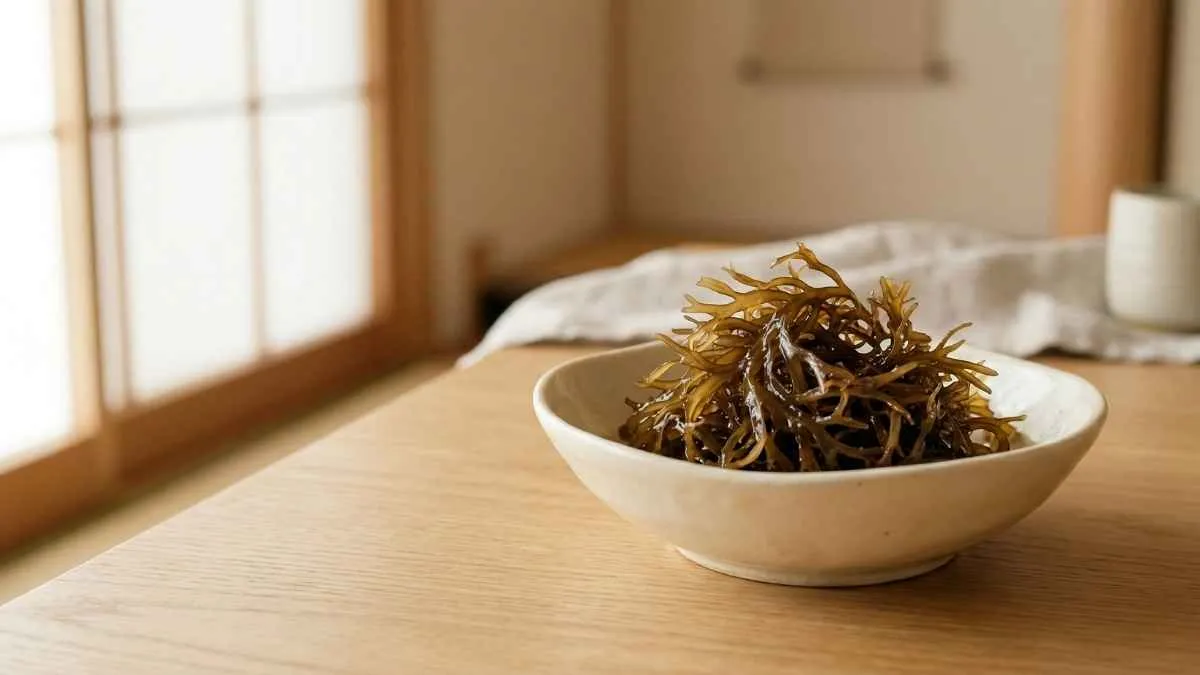
Fucoidan is a natural polysaccharide extracted from brown seaweeds. Common sources include:
• Okinawan Mozuku
• Mekabu
• Bladderwrack
Many people compare it with vitamins, but they function at different levels:
• Vitamins function as basic nutritional supplements that maintain basic body functions.
• Polysaccharide‑type compounds (such as fucoidan, Ganoderma polysaccharides, and agaricus polysaccharides) are usually discussed in the context of body regulation and immune‑balance research.
Polysaccharides are not a newly invented concept; they have a long research history in mushroom and seaweed studies.
Why Did Fucoidan Enter Research Related to Serious Illness and Immune Regulation?
Fucoidan is not a newly discovered compound. It was first isolated in the early 20th century. Beginning in the 1980s, researchers gradually began examining its biological responses in immune-related and abnormal cell models.
Research moved in this direction because early experimental observations showed that [1 source: PubMed]:
• It is a naturally active seaweed-derived polysaccharide with a distinctive structure
• In laboratory studies, it interacts with immune-related and inflammatory pathways
• In cell and animal models, regulatory responses associated with maintaining internal balance were observed
As research developed, fucoidan became associated with several study areas, including:
• Immune cell response modulation [2 source: PubMed]
• Abnormal cell apoptosis models [3 source: PubMed]
• Inflammatory signaling pathways [4 source: PubMed]
• Cellular stress response
• Gut–immune interaction mechanisms [5 source: PubMed]
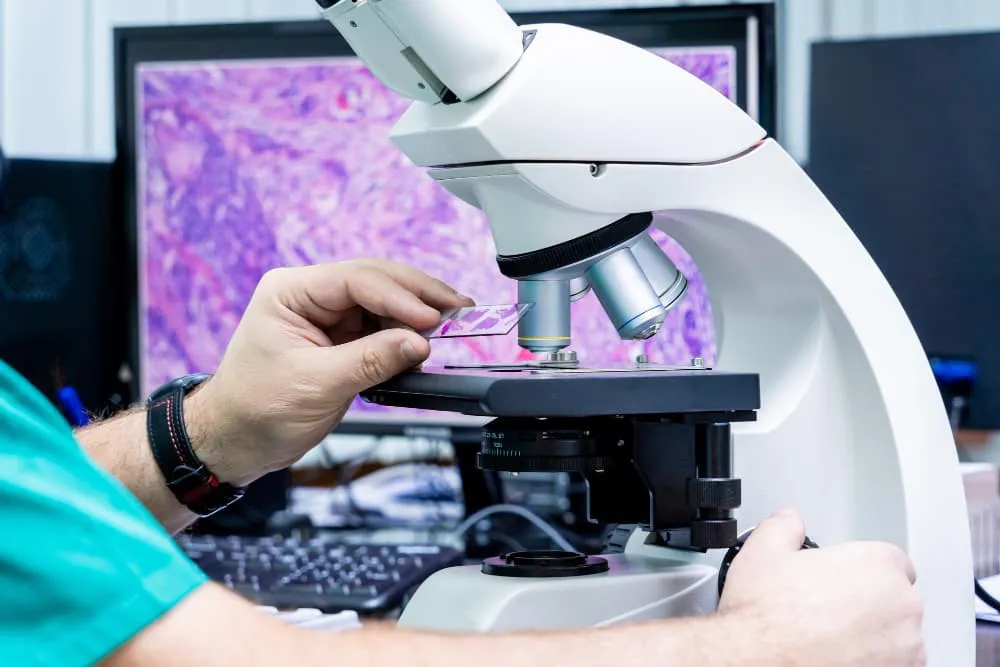
Can Fucoidan Help with Chemotherapy Side Effects and Recovery Support?
In some clinical and experimental studies, researchers have explored fucoidan’s supportive role during treatment phases, including [6 source: Cancer Support Network]:
– Regulation of gastrointestinal function
– Relief of fatigue and improvement of energy levels
– Support during periods of low immunity
– Reduction of treatment‑related discomfort
Because of this research background, fucoidan is often mentioned in discussions about health products used during chemotherapy, post-surgical recovery support, and supportive care during serious illness management.

Why Do Some Fucoidan Products Combine Multiple Seaweed Sources?
The functional properties of fucoidan differ across seaweed sources, mainly due to differences in branching patterns, side‑chain structures, and sulfate‑group ratios, for example:
• Bladderwrack: high sulfate content, widely studied for immune regulation
• Okinawa mozuku: larger molecular size, more attention on gut‑protective properties
• Wakame sporophyll: favorable active‑structure ratio, relatively high absorption efficiency
From a formulation standpoint, the difference between single‑source and multi‑source extracts is like a “single‑track vs multi‑track train”: a multi‑source formula can cover more structural features, allowing fucoidan’s benefits to be more comprehensive.
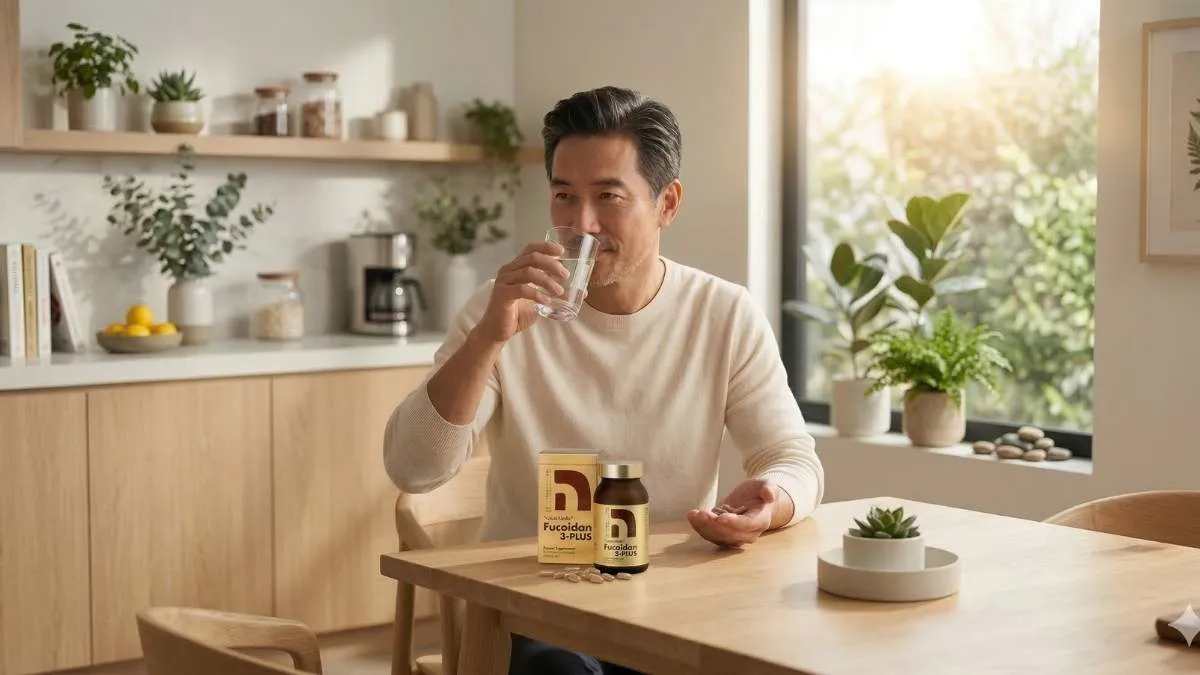
Why Is a Comprehensive Support Design More Suitable During Intensive Treatment and Recovery?
During treatment and recovery phases, many individuals experience multiple physical changes, such as:
• Reduced immune resilience
• Digestive sensitivity
• Inflammatory fluctuations
• Decreased energy and metabolic efficiency
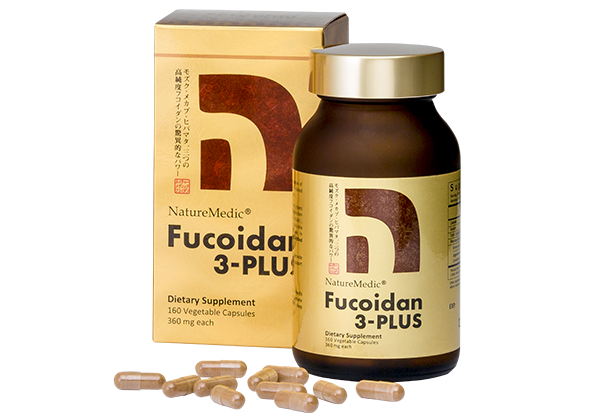
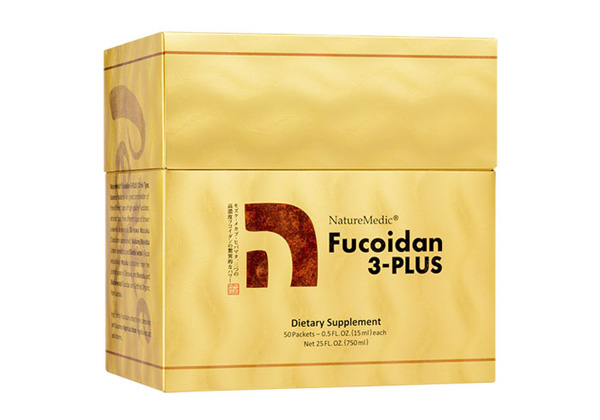
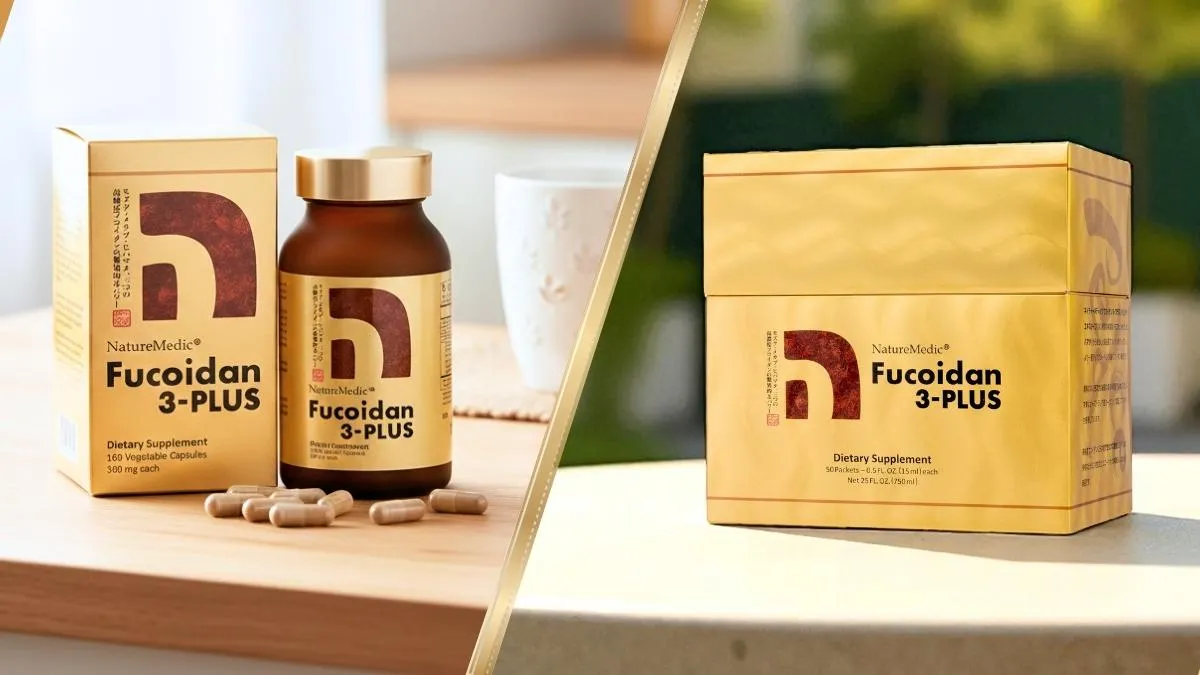
NatureMedic Fucoidan 3-PLUS adopts a multi‑formula design, combining three types of fucoidan (Okinawa mozuku, wakame sporophyll, and bladderwrack extracts), plus agaricus mushroom extract, probiotics, and vitamins. The concept is to support both immune regulation and gut‑environment balance. The product comes in two forms—capsules and a concentrated liquid—so users can choose according to their needs:
☞ Capsule Type:
○ Three types of fucoidan + Agaricus blazei extract + Probiotics
○ Suitable for early to mid-stage conditions, preventive wellness, long-term health management, and daily immune maintenance
○ Purchase guide: https://fucoidan3plus.com.hk/shop/capsule-type/
☞ Liquid Type:
○ Three types of fucoidan + Agaricus blazei extract + Vitamins
○ Suitable for later-stage conditions, physically weakened states, and periods with more noticeable treatment-related side effects
○ Purchase guide : https://fucoidan3plus.com.hk/shop/liquid-type/
For those striving through treatment and recovery
Chemotherapy and radiotherapy are never an easy journey.
During this time, many patients and families simply hope for a little more reassurance and a bit more support.
While fucoidan is not the only option and is not a guaranteed solution, among many supportive strategies it is one of the better‑studied choices that many people incorporate into their chronic‑disease and recovery support plans.
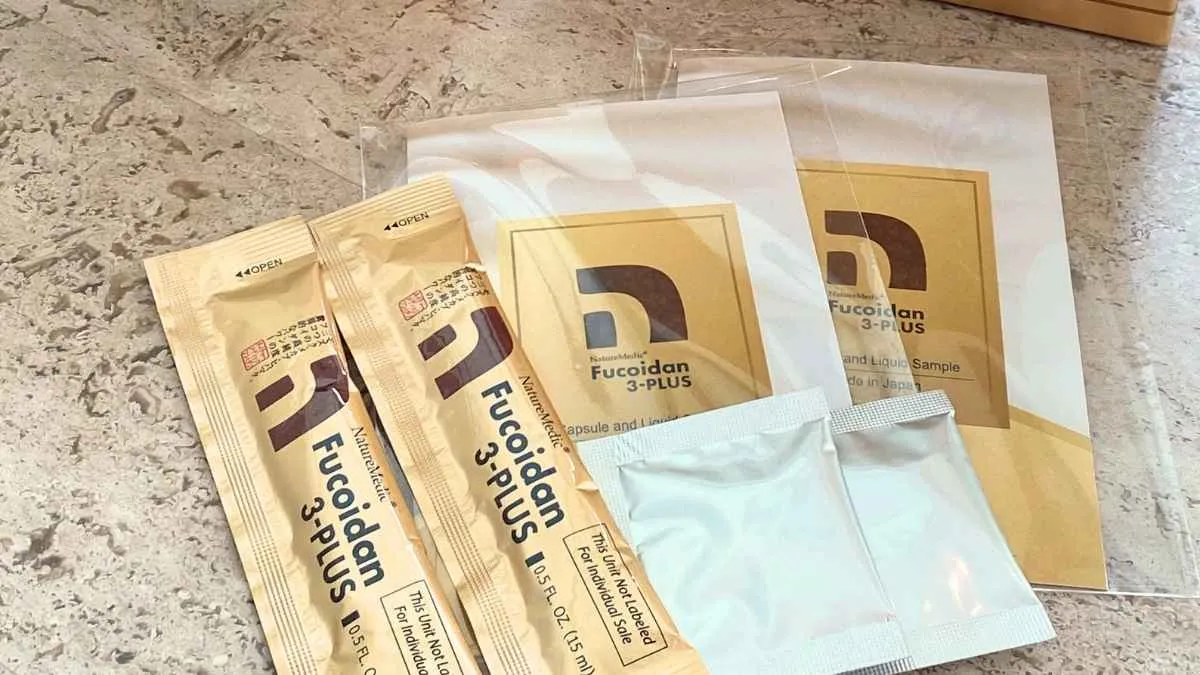
If you are looking for a suitable approach to body regulation and are unsure how to start, you are welcome to contact us, or request a free sample and brochure of NatureMedic Fucoidan 3-PLUS.
☞ Request a free sample: https://fucoidan3plus.com.hk/request-free-booklet/
Common questions about what fucoidan is
Q1: What is fucoidan?
Fucoidan is a natural polysaccharide extracted from brown seaweed, commonly found in Okinawa mozuku, bladderwrack, and wakame. Studies suggest it is associated with immune regulation, cellular protection, and maintaining bodily balance.
Q2: Can fucoidan help with chemotherapy side effects?
Some studies indicate that fucoidan may help alleviate fatigue, poor appetite, and low immunity during chemotherapy or radiotherapy, and can support the body in maintaining overall function.
Q3: Why are fucoidan products relatively expensive?
Because the raw material mainly comes from deep‑sea seaweed, requires high‑precision extraction and purification techniques, and multi‑source formulas cover different structural features, the production cost is higher.
Q4: What are the advantages of multi‑source fucoidan formulas?
Different seaweed‑derived fucoidans offer different functions, such as immune regulation, gut support, and improved absorption. Multi‑source formulas can provide more comprehensive health support.
Q5: Who is suitable for fucoidan supplementation?
It is especially recommended for people undergoing treatment, in the recovery phase, those with weakened immunity, or individuals who wish to support daily health maintenance.
References:
[1] PubMed: Immunopotentiating Activity of Fucoidans and Relevance to Cancer Immunotherapy
[2] PubMed: Immunomodulatory and Anti-Inflammatory Effects of Fucoidan: A Review
[5] ScienceDirect: Fucoidan modulates gut microbiota and immunity in Peyer’s patches against inflammatory bowel disease
[6] Cancer Support Network HongKong: Can Radiotherapy Side Effects Be Relieved? New Discoveries with Oligo-Fucoidan