(852) 5729 0686



When searching for information about fucoidan, many people come across questions such as:
“Is it true that fucoidan doesn’t work even after taking it for a long time?”
“Why do some people say fucoidan has no effect?”
“Is fucoidan actually effective?”
These questions are quite common.
Fucoidan is a natural polysaccharide derived from brown seaweed. In recent years, it has gained attention in research related to immune regulation and mechanisms associated withabnormal cell activity. [1 Source: MDPI] However, because of differences in product sources, concentrations, and individual health conditions, people may experience different responses when supplementing with fucoidan.
Understanding the reasons behind these differences is often more meaningful than simply asking whether fucoidan “works” or not.
Fucoidan Benefits: From Immunity to Chronic Disease Defense, All-Round Health Protection
Research from Marine Drugs and PubMed shows Fucoidan’s main effects include: [2 Source: MDPI]
• Boosting immunity by activating NK cells and macrophages to identify and clear abnormal cells.
• Antioxidant and anti-inflammatory action to remove free radicals and reduce chronic inflammation.
• Supporting chronic condition adjunct therapy by promoting natural apoptosis in bad cells, aiding post-chemo/radiation recovery.
• Regulating gut health as prebiotic for good bacteria, improving microbiome, bowel regularity, and reducing gut-related allergies/inflammation.
• Helping balance blood sugar and lipids by lowering LDL cholesterol, stabilizing glucose, and inhibiting bad cell environments in vessels.
Note: Fucoidan is a science-backed nutritional supplement, not a drug—use alongside medical treatment, not as replacement.
Why Some Take Tons of Fucoidan with No Effect?
Reason 1: The Body’s Health Regulation Processes Take Time
Many People often expect quick drug-like results from Fucoidan, but natural supplements focus on overall regulation, requiring time to observe changes.

Reason 2: Human Cell Renewal Follows Its Own Rhythm
Tissues renew on fixed schedules, so changes aren’t instant. Examples: [3 Source: 《從進化論求解醫學難題》]
For example:
• Intestinal mucosal cells: renew approximately every 3–5 days
• Skin epidermal cells: complete a renewal cycle in about 28 days
• Red blood cells: average lifespan of about 120 days
• Liver cells: complete a major regeneration cycle in about 5–6 months
• Certain immune cells: activity adjustments may occur over 2–8 weeks
• Bone tissue: the full bone remodeling cycle may take around 10 years
It is important to note that these renewal timelines are generally based on average conditions in healthy adults.
For individuals undergoing medical treatment, experiencing the physical burden of therapies, recovering from surgery, or at an older age, the body’s processes of cellular repair and regulation may occur more slowly.

Reason 3: Differences in Duration and Consistency of Use
Many studies involving natural compounds require a certain duration of use and intake level. Fucoidan is no exception.
For example:
– The supplementation period may be too short
– The intake amount may be insufficient
– The supplement may not be taken consistently (such as intermittent use)
These factors may influence the overall perceived effectiveness of fucoidan.
Reason 4: Different Seaweed Sources May Have Different Structures and Activities
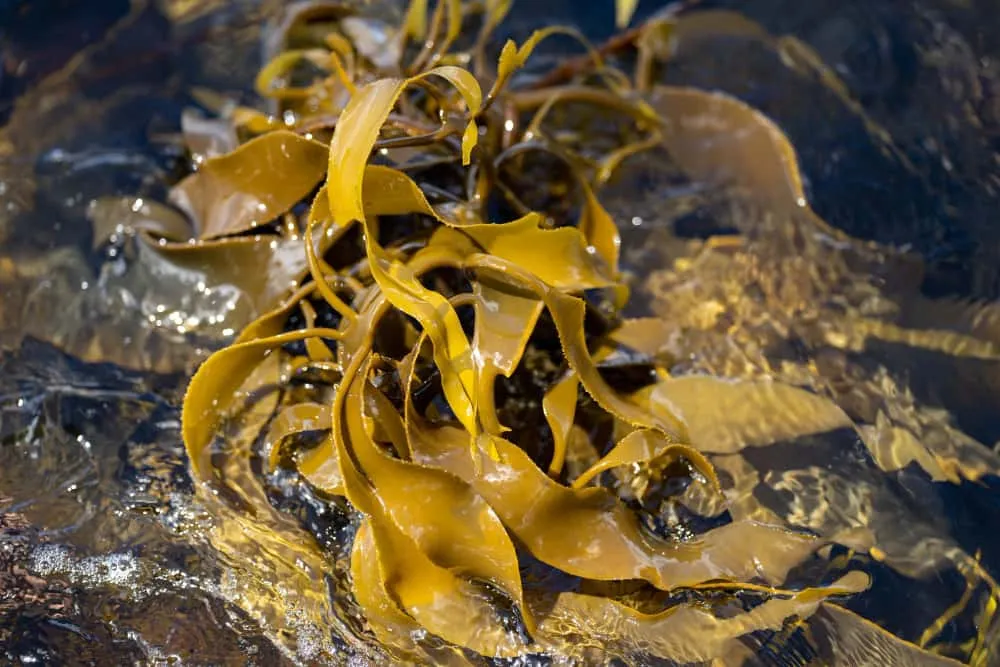
Many people are unaware that fucoidan does not come from a single source.
Fucoidan extracted from different types of brown seaweed can vary in molecular structure, including:
– Molecular weight
– Sulfate group content
– Distribution of sulfate groups
– Molecular structural arrangement
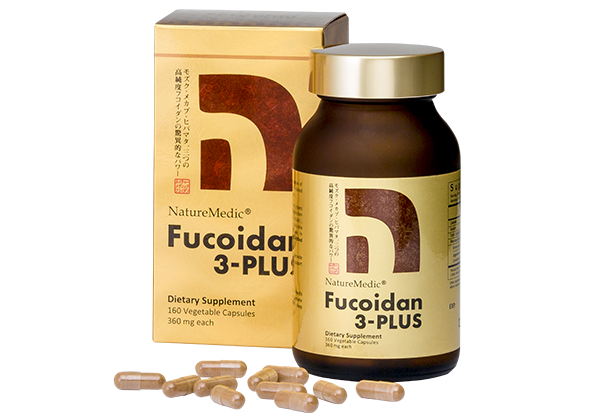
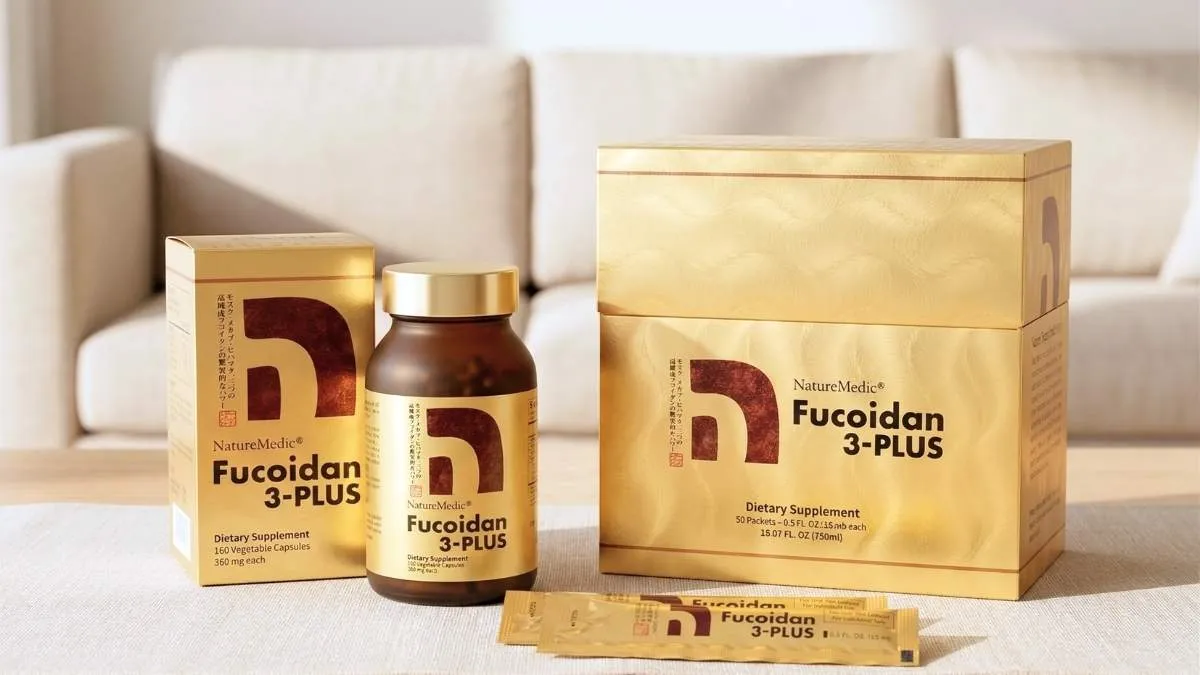
That’s why incorporating structural characteristics from different seaweeds into one formula amplifies Fucoidan’s advantages. For instance, NatureMedic Fucoidan 3-PLUS blends high-content Fucoidan from Okinawa Mozuku, Mekabu (wakame sporophyll), and Bladderwrack,strengthening immune modulation and cellular health support while accommodating individual constitutions for more consistent, sustained effects across diverse groups.

Reason 5: Differences in Product Quality and Formulation
Beyond seaweed source differences, variations in product quality among brands can also influence supplementation experiences.
Fucoidan products on the market may differ in:
– Formulation design
– Raw material source and quality
– Actual fucoidan content
– Fucoidan purity
If the amount of active compounds is relatively low, or if the manufacturing process does not preserve the complete molecular structure, it may be more difficult to observe noticeable changes even after supplementation.
Therefore, when discussing whether fucoidan is “effective,” product quality and formulation are also important considerations.
Is Fucoidan Effective? Understanding the Mechanisms Matters More Than a Simple Answer
When people search “fucoidan doesn’t work even after taking it for a long time,” they often expect a simple answer:
Is it effective, or is it not?
However, from a scientific perspective, the issue is more complex.
Research on fucoidan mainly focuses on mechanisms related to:
– Immune regulation
– Chronic inflammation signaling
– Cellular apoptosis
– Angiogenesis and the microenvironment of abnormal cells
These mechanisms often involve interactions among multiple cellular systems, which is why human studies typically observe outcomes over weeks or even months, rather than expecting immediate changes.
At the same time, differences in seaweed sources, molecular structures, product purity, and usage patterns may all influence the results people experience.
For this reason, rather than asking simply whether fucoidan is effective, it may be more meaningful to understand that:
– The body’s regulatory processes take time
– Different sources may have different molecular structures
– Product quality and formulation can vary
When these factors are considered together, many questions about why fucoidan may seem ineffective can be better understood.
Common Fucoidan FAQs
Q1: Is it true some take Fucoidan with no effect?
A: As a supplement, not drug, it needs time for immune/cell repair—short-term may show nothing.
Q2: Why no effect for some?
A: Short use, low dose, source/purity issues, body differences, cell cycles.
Q3: Is Fucoidan effective?
A: Studies support immune boost, antioxidant, anti-inflammation, adjunct therapy, gut/blood balance—varies by person.
Q4: How long to see effects?
A: Weeks to months, based on health, cell activity, product quality.
Q5: What to check when buying?
A: Algae source, structure, sulfate content, purity, actual amount—choose science-backed brands.
Reference
[2] MDPI – Therapies from Fucoidan: An Update
[3] 《從進化論求解醫學難題》,周然宓、周叔平著,上海科學技術出版社,2008