(852) 5729 0686



After treatment or during a body recovery and conditioning phase, many people begin considering nutritional or health supplements to help rebuild strength, maintain immune health, and support long-term nutritional needs. However, the supplement market is wide and complex — from basic vitamins to polysaccharides, mushroom extracts, and probiotic formulas — each with different positioning and support roles.How should consumers choose?
The Japanese fucoidan brand Natural Fucoidan 3-PLUS says that when choosing a supplement, it is not just about whether the brand is good or whether the ingredient content is high. What matters more is whether it can provide the support you need during your current stage of recovery.
Next, we will organize common types of nutritional supplements for recovery from serious illness and provide a clear comparison table to make it easier to evaluate and choose.
The Three Main Goals of Nutritional Support During Chemotherapy Recovery
Most patients in recovery typically focus on the following three goals when considering chemotherapy supplements:
– To maintain stable baseline nutritional intake
– To support immune regulation and body defense balance
– To help the body adjust and ease discomfort during treatment periods
However, different types of nutritional supplements usually cover only one or two of these directions. It is rare for a single product to address everything, which is why understanding the “role” of each supplement type is more important than taking supplements blindly.

What Are the Common Types of Chemotherapy Supplements?
Below is a comparison of five popular types and their suitable use cases.
| Type | Main Support Focus | Common Use Cases | Recovery Stage Suitability |
| Basic vitamins / minerals | Foundational nutrition | General recovery phase | Suitable for early recovery, helping replenish missing micronutrients and maintain basic metabolism and energy |
| Protein supplements | Strength & tissue support | Low appetite, low intake | Suitable for mid-stage recovery, supporting muscle and tissue repair and improving immune function |
| Functional mushroom extracts | Body conditioning support | Conditioning phases | Suitable throughout recovery, especially when gastrointestinal function is unstable, to support digestion and absorption |
| Probiotics | Gut microbiome balance | Digestive instability | Suitable for mid-to-late recovery, helping immune balance and physical strengthening |
| Fucoidan | Immune regulation support | Treatment & recovery periods | Suitable for late recovery, helping immune adjustment and supporting long-term health |
Please note that different supplement types are designed for different needs. When choosing, it is recommended to consider your own condition and your doctor’s advice. For example:
Basic vitamins and protein are often used for general nutritional support, while fucoidan and functional mushroom extracts appear more frequently in treatment side-effect periods, recovery conditioning phases, and serious-illness support strategies in both research discussions and real-world use.
Choosing the Right Supplement Based on Research Focus
Different types of chemotherapy supplements emphasize different functions in research and clinical observation, which leads to different intended uses. Understanding these differences can help you more accurately match your health needs and choose the most suitable support option during recovery.

Basic Vitamins and Minerals
Research commonly focuses on:
– Antioxidant support
– Energy metabolism participation
– Foundational nutritional supplementation
These are generally used as baseline support rather than targeted recovery-phase regulation tools.
Protein Supplements
Research focus often includes:
– Strength maintenance
– Tissue repair support
– Nutritional gap replacement
Often considered helpful when appetite is low or food intake is insufficient.
Functional Mushroom Extracts (such as Reishi, Agaricus blazei)
Many studies focus on body conditioning support, so these are often included in supportive strategies during serious-illness management:
– Immune modulation directions
– Polysaccharide mechanism studies
– Body conditioning support pathways
Probiotics
Research concentrates on gut support:
– Gut microbiome balance
– Intestinal barrier function
– Gut-immune interaction axis
Suitable for people with digestive instability or bowel pattern changes.
Seaweed Polysaccharides (such as Fucoidan)
In recent years, seaweed-derived polysaccharides have gained increased research attention in treatment and recovery support contexts, especially in:
– Body regulation support during treatment
– Mechanism research related to abnormal cell regulation
– immune regulation support during treatment side effects
– Gut microbiome and immune interaction research
Because of this, many users include fucoidan as part of their daily supportive strategy when facing treatment side effects, reduced strength, and recovery-phase conditioning needs.

How to Choose a Supplement by Situation
You can also judge by real-life situations to identify the most suitable support direction:
– Poor appetite or insufficient food intake: prioritize protein supplements to support tissue repair and energy supply.
– Unstable digestion or changes in bowel movements: consider probiotics or probiotic-containing formulas to help balance gut flora.
– Need immune regulation during treatment or recovery: choose marine polysaccharides or functional mushroom extracts to support daily immune balance.
– Basic support during general recovery: choose vitamins and minerals to replenish micronutrients and maintain basic metabolism.
Fucoidan Products: Capsules or Concentrated Liquid?
When dealing with chemotherapy side effects, low energy, or recovery support, many consumers include fucoidan in their daily supportive care strategy.
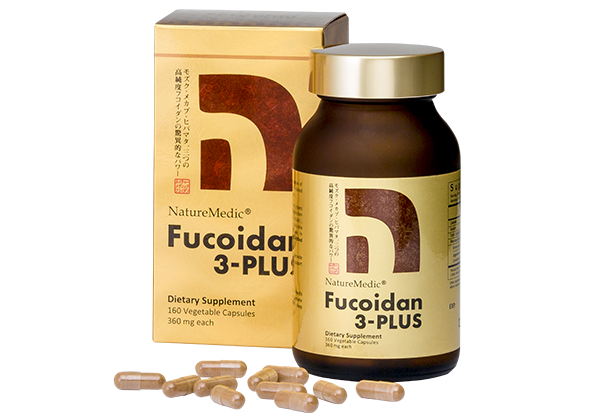
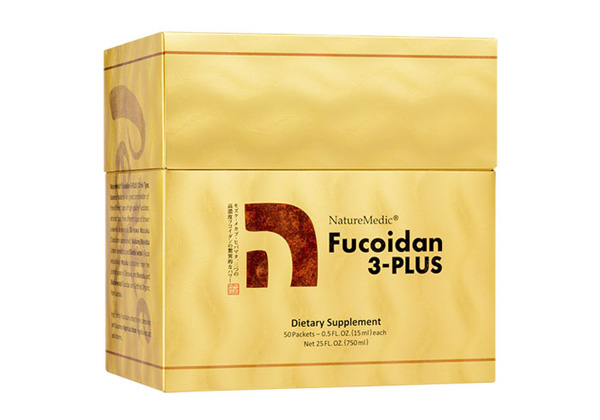
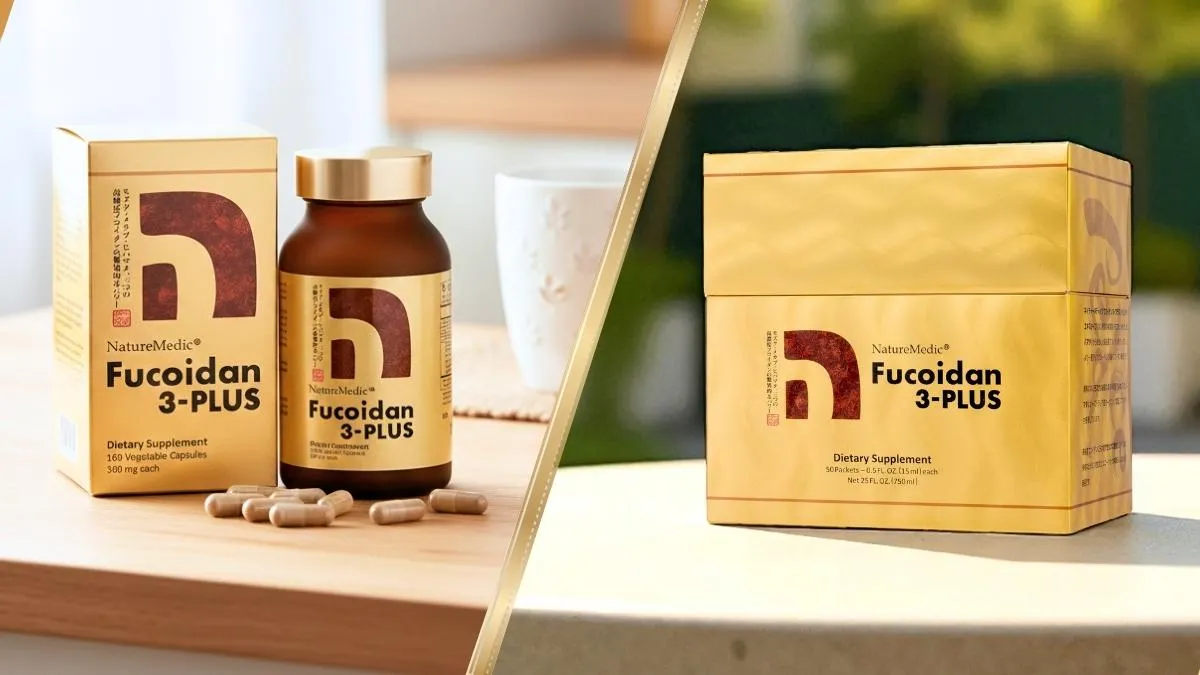
NatureMedic® Fucoidan 3-PLUS fucoidan products are commonly available in two forms: capsules and concentrated liquid. They are designed for different usage scenarios and physical conditions, so both have their own user groups. The following comparison may help make the choice more practical.
NatureMedic® Fucoidan 3-PLUS Comparison
Situation Factor | Capsule Type | Liquid Type |
Suitable stages | Early–mid conditioning, prevention focus, long-term daily wellness | Later-stage conditioning, weakness, stronger side-effect periods |
Absorption form | Released and absorbed in the digestive tract | Enters digestive absorption stage directly |
Formula complexity | Agaricus mycelium & Probiotics | Agaricus mycelium & Vitamins |
Taste | Small capsules | Citrus flavor, high acceptance |
Many users adjust formats by phase — using capsules for long-term baseline support and adding liquid during intensive periods. This staged approach is common in practice.
Capsule Type Product reference: https://fucoidan3plus.com.hk/shop/capsule-type/
Liquid Type Product reference: https://fucoidan3plus.com.hk/shop/liquid-type/
During Chemotherapy Recovery, Choice Should Follow Need
Recovery-phase supplementation is less about chasing a single “strong” ingredient and more about matching current health condition and ensuring sustainable use. No single supplement type fits everyone.
Choosing based on purpose, observing body response, and aligning with professional advice is generally more effective than focusing only on ingredient labels.
FAQ About Supplements During Chemotherapy Recovery
Q1: Why is supplement support needed during chemotherapy recovery?
A: After chemotherapy, the body often experiences lower immunity, poor appetite, and unstable digestion. Supplements can provide basic nutrition, support immune regulation, and help tissue repair, making recovery smoother.
Q2: What are the common types of supplements during chemotherapy recovery?
A: The five common types are:
– Vitamins and minerals: replenish micronutrients and maintain energy metabolism.
– Protein supplements: support muscle repair, suitable for poor appetite or low intake.
– Functional mushroom extracts (reishi, agaricus blazei): immune support and constitution support.
– Probiotics: improve gut flora balance and support digestion and absorption.
– Fucoidan: immune modulation, side-effect support, and long-term health support.
Q3: How do I know which supplement is right for me?
A: Choose based on your condition:
– Poor appetite or low intake: protein supplements.
– Unstable digestion or changes in bowel movements: probiotics.
– Need immune support or side-effect relief: fucoidan or functional mushroom extracts.
– Basic support during recovery: vitamins and minerals.
Q4: What is the role of fucoidan during chemotherapy recovery?
A: Fucoidan is a marine polysaccharide that research suggests may:
– Support immune system regulation.
– Help ease chemotherapy side effects.
– Support gut flora balance.
– Provide long-term health support.
Q5: Fucoidan products come in capsules and concentrated liquid. How should I choose?
A: Capsule type: suitable for early-to-mid recovery and daily immune support; easy to swallow.
Concentrated liquid: suitable for mid-to-late recovery, physical weakness, or swallowing difficulties; faster to absorb.
Many people alternate between the two depending on their stage of recovery, such as using capsules as the daily base and adding the liquid when the body is weaker.
Q6: What should I pay attention to when choosing supplements during chemotherapy recovery?
A: Choose based on your health needs, not just ingredient quantity.
Follow your doctor’s advice to avoid conflicts with treatment.
Long-term consistent use is often more effective than short-term heavy supplementation.
Monitor your body’s response and adjust accordingly.
Disclaimer
This article is intended for health education and nutritional information only and does not constitute medical advice, diagnosis, or treatment. Individual health conditions and treatment responses vary. If you are undergoing treatment or have special medical conditions, consult your physician or qualified healthcare professional before using any nutritional supplements.
Nutritional supplements are intended for supportive and conditioning purposes and are not a substitute for medical treatment.