(852) 5729 0686




✍️Written by: NatureMedic 3-PLUS Health Editorial Team | 📖Sources: ACS、PMC、MSKCC, etc. | 📅Last Updated: October 14, 2026
Don’t Ignore a Persistent Cough:
Because lungs lack pain receptors, early-stage conditions are often insidious. If a cough lasts longer than 2 to 3 weeks or is accompanied by shortness of breath, chest tightness, hoarseness, or unexplained weight loss, seek medical evaluation promptly. Daily care and Fucoidan supplementation can help dual-regulate immunity and strengthen respiratory mucosal defenses.
🌿 5 Warning Signs & Persistent Cough Breakdown
Post-cold coughs that linger may stem from airway sensitivity, post-nasal drip, asthma, or GERD, but chronic lung conditions should not be ruled out.
Feeling winded while climbing stairs or speaking, along with persistent chest tightness, indicates declining respiratory efficiency.
Hoarseness without throat inflammation, combined with extreme exhaustion and sudden weight loss, serves as a strong internal warning signal.
Secondhand smoke, cooking fumes, PM2.5, and air pollution can damage lung health. Non-smokers should not dismiss persistent symptoms.
🛡️ Daily Respiratory Care: Fucoidan Benefits
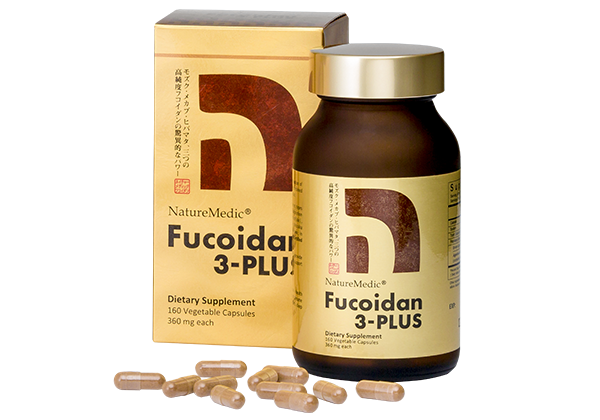
Ideal forseniors, individuals with sensitive airways, those exposed to pollution/fumes, and patients needing stamina support during treatments. “NatureMedic Fucoidan 3-PLUS” combines three brown seaweed extracts to activate NK cells and macrophages, strengthen the mucosal barrier, and support natural cell apoptosis. Combine with lung-nourishing foods (e.g., snow pear, white fungus) for comprehensive care.
💡 Usage & Medical Safety Guidelines
- Seek Medical Care Early: If a cough persists past 3 weeks or is accompanied by coughing up blood, chest pain, or dyspnea, consult a physician immediately rather than relying on self-diagnosis.
- Drug Interaction Warning: Fucoidan exhibits mild anticoagulant properties. Individuals taking blood thinners, preparing for surgery, or with bleeding disorders must consult a healthcare professional before use.

“Cough, cough… I must have had the air conditioning on too high lately.” When faced with sudden, minor bodily issues, our first reactions are often surprisingly similar.
At first, it’s just a dry, itchy throat and a mild cough, which most people instinctively attribute to a cold or the changing seasons. So, we habitually pop a few over-the-counter pills, drink some extra warm water, and after feeling “a little better” a few days later, we dive right back into our busy lives. However, one week turns into two, and those stubborn coughs just refuse to leave you alone.
At this stage, very few people immediately connect a cough to a “lung crisis,” instead telling themselves, “I’ll just wait and see for a few more days.” But in reality, this might already be an early distress signal sent by your body.
Why Are Lung Conditions Hard to Detect? The “Disguised” Nature of Early Symptoms
The reason is simple: the early symptoms are absolute masters of “disguise.”
Coughing, throat discomfort, and fatigue are common cold experiences almost everyone has had. But the more critical medical truth is this: the lungs themselves lack distinct pain receptors.
When abnormalities arise in the lungs, or even when abnormal cells begin to grow, the lungs usually cannot warn you with sharp, “severe pain,” but instead translate the distress into vague chest tightness, slight shortness of breath, or a lingering sense of exhaustion. These faint whispers are incredibly easy to drown out amidst the toil and stress of our daily lives.
Is a Persistent Cough Always a Lung Issue? 6 Common Causes Analyzed
Coughing is a bodily reflex designed to help clear secretions or irritants from the airways. Many factors can cause a persistent cough; below are the 6 most common:
1. Post-Infectious Cough
Following a cold, flu, or other respiratory infection, the trachea may remain sensitive even after the primary infection has cleared, causing the cough to linger. Even if symptoms like fever and a runny nose have improved, the cough may not disappear immediately.
Note: If symptoms do not gradually improve but instead worsen, or if accompanied by shortness of breath, chest pain, or high fever, it should not be treated as a common cold.
2. Post-Nasal Drip or Allergies
Nasal secretions dripping down the back of the throat can cause a dry, itchy feeling, frequent throat-clearing, and nighttime coughing. Nasal allergies, dust mites, pollen, or other environmental allergens can cause symptoms to recur.
3. Asthma or Airway Hypersensitivity
Asthma does not always present as wheezing; it can also manifest primarily as a recurring dry cough, night cough, or cough after exercise. If coughing worsens upon exposure to cold air, cigarette smoke, perfume, or cleaning products, consult a doctor to see if it is related to airway sensitivity or asthma.
4. Gastroesophageal Reflux Disease (GERD)
Stomach acid flowing back into the esophagus or throat can cause a foreign body sensation in the throat, hoarseness, coughing, and an acidic taste in the mouth. For some, symptoms become more pronounced when lying down, overeating, or consuming irritating foods.
5. Smoke and Air Pollution
Smoking, secondhand smoke, kitchen oil fumes, incense, dust, and air pollution can all irritate the respiratory tract. If your work environment involves exposure to dust, chemicals, or other pollutants, inform your doctor.
6. Chronic Lung Diseases or Other Factors
Chronic obstructive pulmonary disease (COPD), bronchiectasis, lung infections, and certain drug side effects can also cause persistent coughing. Non-respiratory issues, such as heart disease, can sometimes cause shortness of breath or coughing, so self-diagnosis based solely on online information should be avoided.
⚠️ Important Reminder: A persistent cough warrants attention, but self-diagnosis based on symptoms alone is insufficient. Lung conditions may present with persistent or worsening cough, coughing up blood, chest pain, hoarseness, shortness of breath, loss of appetite, or unexplained weight loss; however, these manifestations can also be caused by other illnesses. The ACS notes that the most common cause of these symptoms is usually not lung disease, but medical evaluation is still recommended if they persist to identify the underlying cause. [1]
How to Detect Lung Issues Early? Pause and Listen: 5 Real Feedbacks from Your Body
Instead of memorizing obscure and complex medical jargon, it is better to pay close attention to these 5 subtle yet crucial changes in your daily life:
The “Almost Better, But Never Ending” Cough: A standard cold cough typically resolves in a short period. If your cough persists for more than two to three weeks, fluctuating and repeatedly flaring up, it is absolutely not a common cold.
The “Panting After a Few Steps” Change: If climbing stairs or chasing the bus used to be effortless, but you recently find yourself easily out of breath, or even needing to pause for air after speaking a few sentences, your body is hinting at something: your breathing efficiency is a shadow of what it used to be.
The “Heavy Stone on the Chest” Heaviness: This isn’t a sharp pain, but an indescribable sense of pressure and chest tightness. Many people mistakenly attribute this to high work stress or poor posture, but if this feeling persists, you must be highly vigilant.
The “Lost Voice Without a Cold” Hoarseness: If you don’t have a sore throat but your voice remains persistently hoarse, or if speaking feels unusually strenuous, this may be related to changes deep within the respiratory tract.
The “Unexplained Weight Loss and Extreme Fatigue” Depletion: If you experience chronic, unrefreshing extreme fatigue without any changes in diet or routine, especially when accompanied by a loss of appetite and weight loss, this is often a strong warning sign that your body is burning immense energy fightingabnormal cells internally.
If you or your family members experience any of the above situations, please seek professional medical assistance as soon as possible. While getting checked early, we can also start with daily conditioning to proactively solidify the body’s defenses.

Daily Lung Maintenance: Why is Fucoidan the Top Choice for Strengthening the Respiratory Defense Line?
Early medical examination is the first step in preventing serious illness; in genuine health management, daily care is essential to maintain a stable immune balance.
Every day, our respiratory tract and lungs filter various threats from the air (such as PM2.5, secondhand smoke, and kitchen fumes). Among numerous natural health nutrients, Fucoidan—derived from the pristine ocean—has received significant attention from medical professionals and nutritionists in recent years, becoming a top choice for many seeking to fortify their respiratory defenses.
Three Major Lung Support and Immune Benefits of Fucoidan : [2]
Bidirectional Regulation of Immune Function: Clinical research indicates that Fucoidan, a high-molecular-weight polysaccharide, can activate NK (Natural Killer) cells and Macrophages in the body to maintain a strong and balanced immune system.
Strengthens Respiratory Mucosal Barrier: Deeply nourishes delicate lung and respiratory mucosal linings, forming a natural defensive shield to reduce irritation from air pollutants and viruses.
Assists in Inhibiting Abnormal Cell Mutation: Studies show that Fucoidan aids in inducing apoptosis (programmed cell death) in mutated cells and blocking the nutrient supply to these abnormal cells.
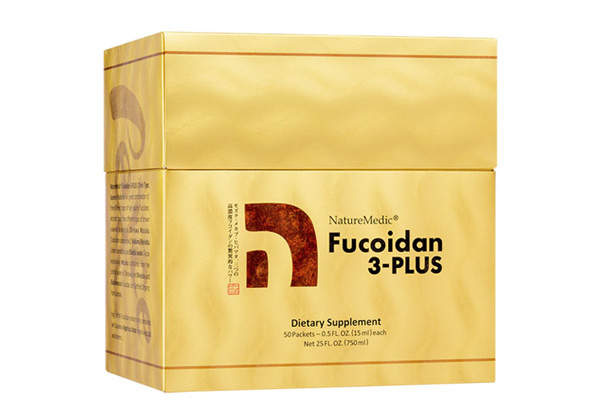
To provide the highest quality health food for fighting severe illnesses, NatureMedic Fucoidan 3-PLUS combines multiple premium Fucoidan essences to create an exclusive triple formula. It is not only a powerful health pillar during treatment periods but is also highly suitable for long-term constitution maintenance. The NatureMedic Fucoidan product series has passed the rigorous inspections of the international third-party authority (Monde Selection) for 10 consecutive years, ensuring the highest standards of purity and safety.
Claim Your Free Sample of NatureMedic Fucoidan 3-PLUS
Dual-action support for immunity and respiratory health — delivered straight to your door!
Exclusive 3-Fucoidan Blend
Mekabu, Mozuku & Fucus for maximum synergy
Respiratory & Immune Care
Activates NK cells & mucosal defense
Monde Selection Gold Award
International quality & purity certified
Want to learn more about Fucoidan for respiratory & immunity management?
👉 Claim Free Sample & Info Booklet Now
*Free shipping available. Limited quantities per household while supplies last.

Frequently Asked Questions (FAQ) About Lung Health and Daily Care
Q1: If I’ve been coughing for two to three weeks, is it just a lingering cold, or a lung issue?
Not necessarily. Coughing is a bodily reflex to help clear secretions or irritants from the respiratory tract. After a cold or respiratory infection, a cough can sometimes last longer than symptoms like fever or a runny nose. Nasal allergies, post-nasal drip, asthma, GERD, smoking, and certain medications can also cause a persistent cough.
The ACS notes that the most common cause of related symptoms is usually not lung disease, but if the cough persists or worsens, seek medical advice promptly to determine the cause.
Q2: I have never smoked and have no family history. Can abnormal cells still appear in my lungs?
Yes! Non-smoking reduces the risk of certain lung diseases, but it does not completely eliminate the possibility of lung issues.
Secondhand smoke, air pollution, kitchen oil fumes, occupational dust, and chemical exposure can all irritate the respiratory tract. Certain lung conditions may also be linked to infections, allergies, genetics, age, or other health factors.
Therefore, if you have persistent symptoms, seek medical advice based on those symptoms and your individual situation, rather than ruling out illness simply because you do not smoke.
Q3: Can Fucoidan be taken during treatment periods or alongside Western medicine?
Yes, but consulting a doctor prior to consumption is recommended. Fucoidan is a polysaccharide extracted from natural brown seaweed; it is gentle and has a high safety profile. Many individuals facing major health challenges use Fucoidan as a supportive nutritional shield during treatments to help maintain normal cellular function, reduce treatment-related fatigue, and sustain stamina.
MSK has noted that Fucoidan supplements may interact with certain medications, and its anticoagulant properties could increase bleeding risks [3]. Therefore, individuals taking anticoagulant or antiplatelet drugs, preparing for surgery, or having bleeding disorders should consult a doctor or pharmacist before taking it.
Q4: Elderly people are prone to respiratory sensitivities or asthma. Is Fucoidan suitable for them?
Elderly individuals often take multiple medications simultaneously, requiring special attention regarding supplement-drug interactions, swallowing ability, as well as kidney and liver function. If an individual with asthma experiences persistent wheezing, difficulty breathing, trouble speaking full sentences, or inadequate relief from rescue medications, they should follow the emergency action plan provided by their doctor and seek immediate medical attention if necessary.
Q5: Aside from supplementing with Fucoidan, what are the daily dietary recommendations for lung maintenance?
From a Traditional Chinese Medicine (TCM) perspective, “white foods” are particularly effective for moistening the lungs and nourishing Yin. It is recommended to include foods such as snow pears, snow fungus, lily bulbs, and lotus root in your daily diet to soothe the respiratory tract. Concurrently, try to minimize spicy and deep-fried foods that easily trigger inflammatory responses (“heatiness”) in the body. Combining this dietary approach with Fucoidan can achieve comprehensive internal and external health maintenance.
A persistent cough does not necessarily indicate a severe lung disease, but it should not be ignored if there is no improvement. Pay attention to the duration, changes, and accompanying symptoms of your cough. If it persists for more than three weeks without improvement, recurs frequently, or is accompanied by coughing up blood, shortness of breath, chest pain, or unexplained weight loss, seek professional medical evaluation.
⚠️ Medical Disclaimer
The content of this article is for health information and reference purposes only and cannot replace professional medical diagnosis and advice. Every patient’s condition and physical state are different. If you have specific medical needs or plan to adjust your diet and supplements, please be sure to communicate fully with your attending physician first.
Citations from Authoritative Institutions & Peer-Reviewed Journals:
To ensure accuracy and professional value regarding lung health, persistent cough warning signs, and Fucoidan immune care, this article references guidelines and research published by the American Cancer Society (ACS), PubMed, and Memorial Sloan Kettering Cancer Center (MSKCC) [1-3].
1. Early Lung Health Warning Signs & Symptoms
Research Topic: Common early manifestations of lung conditions, including persistent coughing, shortness of breath, chest pain, hoarseness, and unexplained weight loss [1].
Key Findings: While these symptoms are more commonly caused by infections, allergies, or non-malignant conditions, a cough lasting over 2 to 3 weeks or progressively worsening warrants prompt medical evaluation to rule out serious underlying illness [1].
2. Fucoidan’s Potential in Immune Modulation & Cellular Support
Research Topic: Bioactive mechanisms of marine polysaccharide Fucoidan in immune cell activation and cellular health management [2].
Key Findings: Clinical and laboratory studies demonstrate that Fucoidan helps activate NK cells and macrophages, supports dual immune regulation, induces apoptosis in abnormal cells, and protects respiratory mucosal barriers [2].
The Therapeutic Potential of the Anticancer Activity of Fucoidan: Current Advances and Hurdles
3. Fucoidan Supplementation Safety Guidelines & Drug Interaction Notice
Research Topic: Clinical scope, safety profile, and precautions when integrating Fucoidan alongside standard treatments [3].
Key Findings: Fucoidan is gentle and widely utilized to help maintain normal cell function and stamina. However, due to its mild anticoagulant properties, individuals taking blood thinners or preparing for surgery should consult healthcare professionals prior to use [3].
Integrative Medicine Herbs Database: Fucoidan
🛡️ Scientific Evidence & Quality Review Declaration
All citations on this page originate from authoritative international institutions (ACS), leading medical centers (MSKCC), and peer-reviewed journals (indexed in PubMed). They are intended to provide objective, evidence-based health education regarding respiratory wellness and nutritional care, and do not replace professional medical diagnosis or treatment [1-3].