(852) 5729 0686



Non-smokers Are Not Completely Safe:
Data shows that over 50% of female and 15–20% of male lung condition patients have never smoked. Lung cell abnormalities result from cumulative environmental exposures. Beyond minimizing hidden daily hazards like cooking fumes, PM2.5, and secondhand smoke, proper nutritional support—such as Fucoidan—helps modulate immunity to build a robust respiratory defense barrier.
🌿 5 Hidden Lung Hazards for Non-Smokers
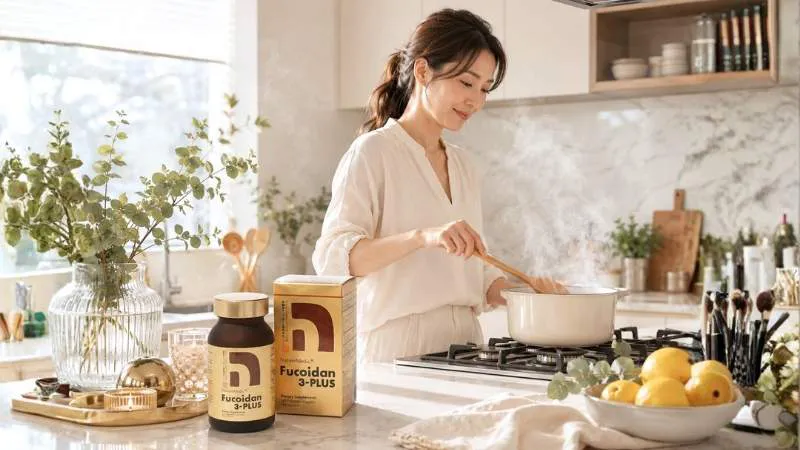
Deep-frying and stir-frying generate fine particulate matter linked to lung risks. Keep range hoods running during and 5–10 minutes after cooking, and opt for steaming or boiling.
Fine particles from traffic and industrial emissions penetrate deep into the respiratory tract. Reduce strenuous outdoor activities on high AQI days or wear protective masks.
Passive smoking increases lung risks by 20%–30%, while thirdhand smoke lingering on clothing and furniture remains hazardous. Maintain strict smoke-free environments.
Indoor radon gas, asbestos, and diesel exhaust are major non-smoking risk factors. Workers in high-risk industries should wear proper protective gear and ensure proper ventilation.
Sleep deprivation and unmanaged stress weaken immune surveillance against cellular threats. Aim for 7–9 hours of sleep nightly and engage in regular physical activity.
🛡️ Daily Respiratory Support: Fucoidan Benefits
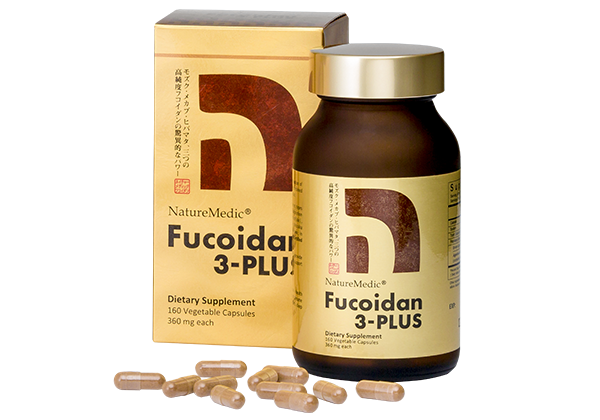
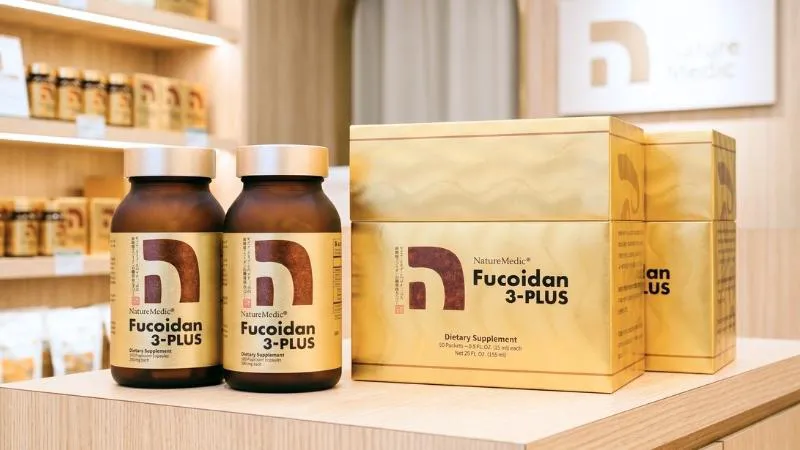
Ideal for frequent cooks, individuals exposed to air pollution/secondhand smoke, those facing lung health challenges, and individuals needing stamina support during treatments. “NatureMedic Fucoidan 3-PLUS” combines extracts from Mozuku, Mekabu, and Fucus vesiculosus. Research suggests it helps induce abnormal cell apoptosis, inhibit tumor angiogenesis, and activate Natural Killer (NK) cells and macrophages for dual-action immune defense.
💡 Consumption & Safety Guidance
- Seek Early Medical Evaluation: If lung nodules or persistent respiratory symptoms occur, consult a doctor for proper imaging (CT scan) or biopsy. Supplements cannot replace formal medical treatment.
- Medication Timing Interval: Fucoidan is gentle and helps maintain strength during treatment regimens. To optimize absorption and avoid potential interactions, take Fucoidan 1 to 2 hours apart from medications.
⚠️ Medical Disclaimer: This article is intended solely for health education and reference purposes and should not replace professional medical diagnosis, treatment, or personalized medical advice. If you experience persistent coughing, coughing up blood, difficulty breathing, chest pain, or if abnormalities (such as lung nodules or shadows) are found during an examination, please consult a respiratory specialist, pulmonologist, or clinical oncologist as soon as possible.
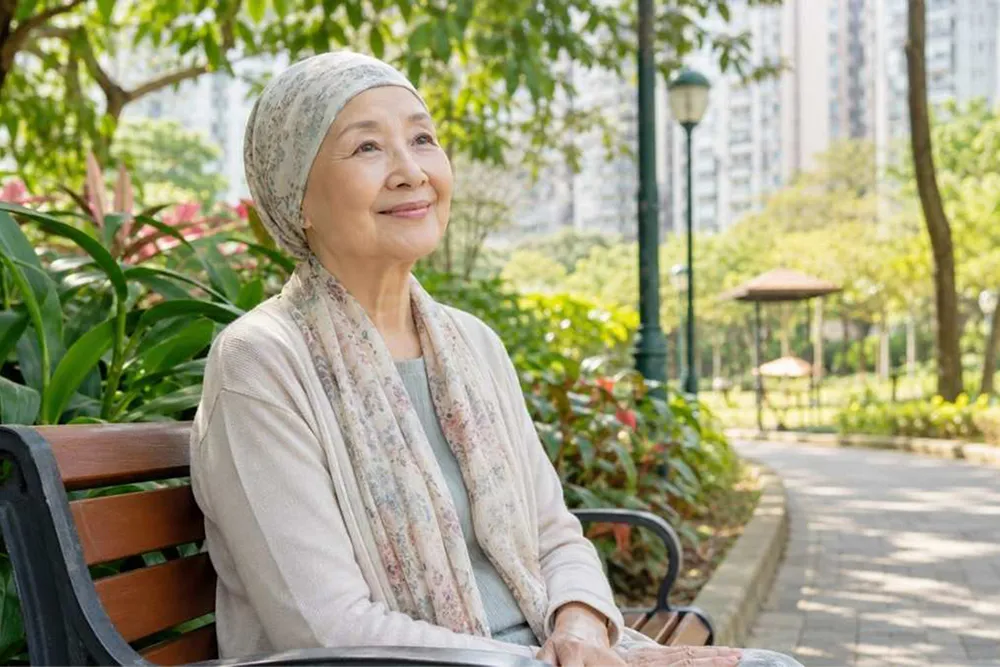
Many people have a very natural assumption: “If I don’t smoke, my lungs should be fine.” But in reality, according to data from HKIOC, the number of non-smokers diagnosed with lung diseases has shown an upward trend in recent years. Globally, approximately 15% to 20% of male lung diseases patients and over 50% of female lung diseases patients are non-smokers. In Asia, the incidence of lung diseases among non-smoking women warrants particular attention [1].
This leaves many feeling confused and uneasy. The truth is, lung conditions are rarely caused by a single factor; lung health is the result of multiple factors accumulating over time. In modern life, we are constantly exposed to environmental and lifestyle influences that quietly build up over time, gradually changing how the body functions.
Not Smoking ≠ 100% Safe! 5 Daily Factors That May Increase Lung Risks
While smoking remains the most significant risk factor for lung diseases, it is not the only cause. For non-smokers, lung disease risks are more frequently linked to environmental exposure, occupational carcinogens, indoor air pollution, genetic mutations, and family history [2]:
▪ The Invisible Threat of Cooking Fumes
Cooking at high temperatures (such as pan-frying, stir-frying, and deep-frying) for extended periods—especially in poorly ventilated kitchens—generates oil fumes and fine particulate matter. Research indicates that high-temperature cooking oil fumes are linked to lung diseases risk in non-smokers, requiring special attention among those who cook frequently using high heat.
Daily Advice:
☑ Turn on the range hood before cooking and let it run for an additional 5 to 10 minutes after cooking.
☑ Prioritize cooking methods that produce fewer fumes, such as steaming, boiling, stewing, or baking.
☑ Avoid heating oil until it produces heavy smoke before adding ingredients.
☑ Keep the kitchen well-ventilated; open windows or use exhaust fans when necessary.
▪ Unavoidable Air Pollution (PM2.5)
Fine particulate matter (PM2.5) and inhalable particulate matter (PM10) in air pollution can penetrate deep into the respiratory tract and impact lung health. Long-term exposure to traffic emissions, industrial discharges, combustion emissions, and environments with high air pollution increases the load on the lungs. Studies have also observed a correlation between PM2.5 exposure and lung disease risk in non-smokers.
Daily Advice:
☑ Reduce strenuous outdoor exercise on days with poor air quality.
☑ Check the local Air Quality Index (AQI) before heading out.
☑ Consider wearing a mask along high-traffic routes, especially during prolonged stays.
☑ Choose routes with more greenery and less vehicular traffic for walks or exercise.
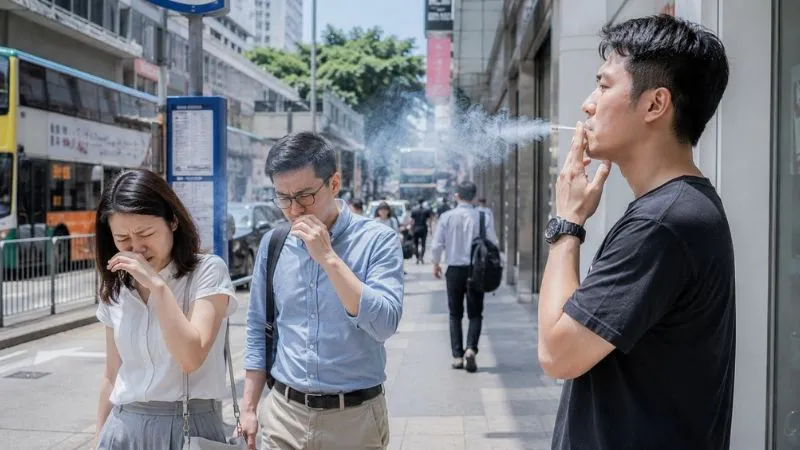
▪ Underestimated Secondhand and Thirdhand Smoke
Secondhand smoke contains various harmful substances. Long-term exposure to secondhand smoke increases the risk of serious lung conditions in non-smokers. The US CDC notes that secondhand smoke increases the risk of lung disease by 20% to 30% in adults who have never smoked [3]. Even if smoking occurs in a different room, smoke can still spread. Furthermore, pollutants that settle on clothing, furniture, walls, and indoor surfaces after exposure to smoke are known as “thirdhand smoke.”
Daily Advice:
☑ Maintain smoke-free environments in the home, vehicle, and workplace.
☑ Avoid smoking on balconies, in kitchens, or in separate rooms, as smoke can still diffuse throughout the space.
☑ Be aware that lingering smoke odors on clothes, furniture, and walls leave behind residual pollutants (“thirdhand smoke”).
☑ Encourage family members who smoke to seek help from smoking cessation clinics or professional support services.
▪ Radon, Asbestos, and Occupational Exposure
Radon is a colorless, odorless, naturally occurring radioactive gas that can enter and accumulate in indoor spaces from soil and rock. The CDC points out that high indoor or workplace radon concentrations increase the risk and mortality rate of lung diseases; among non-smokers, a portion of lung disease deaths is attributable to radon exposure [4].
Additionally, occupational exposures to asbestos, arsenic, diesel exhaust, certain silica dusts, and chromium compounds are associated with lung diseases risk. Workers in construction, renovation, mining, metalworking, and certain industrial environments should take strict protective measures.
Daily Advice:
☑ If living in a high-risk radon area, arrange for indoor radon testing.
☑ Maintain good indoor ventilation and seal cracks in floors, walls, and foundations.
☑ Adhere to occupational safety guidelines and wear appropriate protective equipment when working in high-risk environments.
☑ Inform your doctor if you have had long-term exposure to asbestos, diesel exhaust, or other occupational carcinogens.
▪ Chronic Stress and Unhealthy Habits Weakening Immune Defenses
While stress, sleep deprivation, and irregular routines may not directly “cause” lung disease like smoking or air pollution do, they adversely affect overall bodily functions and immune system performance. When body defenses drop, the body’s capacity to adapt to external environmental stressors changes accordingly.
Daily Advice:
☑ Maintain a regular sleep schedule, aiming for 7 to 9 hours per night for adults.
☑ Eat a balanced diet rich in vegetables, fruits, whole grains, legumes, and high-quality protein.
☑ Engage in regular, moderate physical activity and avoid prolonged sedentary behavior.
☑ Seek psychological counseling, family support, or patient support groups if chronic stress continues to affect sleep or mood.
Scientific Breakthrough: The Power of Fucoidan Against Abnormal Lung Cells
Since lung health is the result of long-term accumulation, more people are beginning to ask: “Beyond avoiding risks, what can I actively do to support my body?”
Alongside lifestyle changes, targeted nutritional supplementation has become a vital line of defense. Natural compounds derived from seaweed, known asFucoidan, have evolved from a niche ingredient into a widely searched nutritional option. Research has heavily focused on its potential roles in supporting normal cell regulation, modulating immune system balance, and acting as a supportive option in daily wellness routines.
Major Discoveries in Modern Medicine: Fucoidan and Lung Cells
In recent years, numerous studies published in authoritative international medical journals have highlighted Fucoidan’s unique intervention mechanisms against human abnormal lung cells [5]:
Inducing “Apoptosis”: Fucoidan can send specific signals that prompt bad lung cells to initiate a self-destruct program (programmed cell death) without harming surrounding healthy, normal cells.
Inhibiting Abnormal Angiogenesis: Abnormal cells require a massive amount of nutrients to expand. Research shows that Fucoidan can block the formation of new blood vessels, essentially cutting off the enemy’s supply line and inhibiting the further spread and proliferation of bad cells.
Activating Natural Killer (NK) Cells: Fucoidan significantly awakens and activates macrophages and NK cells in the body, enhancing the immune system’s patrol capabilities to accurately target hidden threats in the lungs.
⚠️ Note: The above research findings are primarily derived from laboratory cell and animal models and cannot be directly equated to clinical therapeutic efficacy in humans. Health supplements belong to the category of nutritional support and cannot replace formal medical treatment. Before using any nutritional supplements, please consult your attending physician or pharmacist.
If you or your loved ones are facing the challenge of lung “abnormal cells” and are seeking high-quality auxiliary nutrition, NatureMedic Fucoidan is a reassuring choice that stands the test of time. The product series has been recognized by the international third-party authority (Monde Selection) for 10 consecutive years, ensuring the highest standards of purity and safety. NatureMedic Fucoidan 3-PLUS formula innovatively combines Okinawa Mozuku, Mekabu, and Bladderwrack, utilizing a sophisticated multi-source blend to maximize synergistic effects. As a reliable pillar of support accompanying patients through treatment challenges, allowing you and your family to navigate the path to recovery with greater peace of mind.
Frequently Asked Questions (FAQ): Abnormal Lung Cell Diagnosis and Daily Nutritional Care
Q1: I have never smoked, but I was diagnosed with abnormal lung cells. Will this affect my future treatment outcomes?
Not necessarily. Abnormalities in the lungs can stem from inflammation, post-infection changes, benign nodules, and other benign conditions. Doctors will evaluate chest CT scans, pathology reports, nodule size, morphology, growth rate, smoking history, occupational exposure, and family history to determine whether routine monitoring suffices or if further diagnostic evaluations are required.
Q2: To reduce environmental harm at home, what changes should I make to my living space after diagnosis?
It is recommended to start by improving indoor air quality. When cooking, make sure to turn on the range hood throughout the entire process and leave it running for 5 to 10 minutes after cooking to thoroughly extract micro-fumes. Additionally, you can equip your home with an air purifier featuring a HEPA filter and strictly prohibit any indoor secondhand smoke, creating a pure, restorative environment for your respiratory tract.
Q3: I am under a lot of stress and often suffer from insomnia after my diagnosis. Will this worsen my physical condition?
Chronic psychological stress and lack of sleep can indeed weaken the regulatory capacity of the immune system. Feeling anxious is a very normal reaction, and we suggest you do not bottle up your emotions. Communicate more with your family, or seek professional psychological counseling and support groups; you can also try deep breathing or gentle stretching before bed to help relax your body and mind, as a stable mood is the best form of immunity.
Q4: Can I take Fucoidan while undergoing chemotherapy or taking Western medications?
Yes, but it is recommended to consult your physician beforehand.Fucoidan is a pure polysaccharide extracted from natural seaweed. It is a high-nutritional-value health supplement, not a drug, and is very gentle in nature. Many patients use Fucoidan during their treatments to maintain stamina and soothe side effects. To ensure optimal absorption and avoid interfering with medication efficacy, it is recommended to take Fucoidan 1 to 2 hours apart from Western or Chinese medications.
Q5: Can the “Capsule Type” and “Liquid Type” of Fucoidan be taken together?
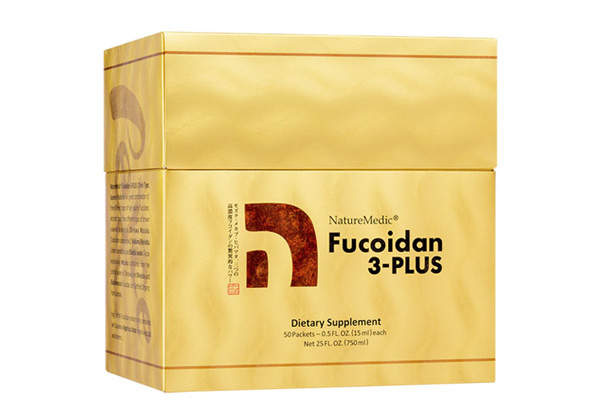
Yes, Many patients adopt a “two-pronged” approach: during the days when treatment side effects are most intense and appetite is poorest, they use the “Liquid Extract” to rapidly replenish a large amount of nutrition and repair power; once the side effects subside and they enter a stable recovery period, they transition to or combine it with the “Capsule Type” for long-term daily immune maintenance. For specific combinations and dosages, consulting a professional healthcare provider or health advisor is recommended.
⚠️ Medical Disclaimer
The content of this article is provided for informational and educational purposes only and should not be used as a substitute for professional medical advice, diagnosis, or treatment. Every patient’s condition varies. Always consult your primary care physician or qualified healthcare provider regarding any medical concerns or before making changes to your diet and nutritional supplement regimen.
Authoritative Sources & Peer-Reviewed Citations:
To ensure the clinical accuracy and educational value of information regarding non-smoker lung health risks, environmental hazards, and Fucoidan’s supportive anti-tumor mechanisms, this article references empirical studies published by HKIOC, the CDC, PMC, and PubMed [1–5].
1. Epidemiological Trends of Lung Conditions in Non-Smokers
Research Topic: Incidence and health risks of lung cellular changes in individuals with no history of smoking [1].
Key Finding: Clinical data indicates an upward trend in lung conditions among non-smokers. Globally, 15%–20% of male and over 50% of female lung patients have never smoked, dispelling the misconception that non-smokers are immune to lung risks [1].
《Rise in Non-Smoker Lung Conditions: Cancer Risks Exist Even Without Harmful Habits》
2. Etiology & Risk Factors in Asian Female Non-Smokers
Research Topic: A systematic review on etiology and risk factors for lung cellular mutations in Asian women who have never smoked [2].
Key Finding: Lung health risks in non-smokers stem from cumulative exposures including high-temperature cooking oil fumes, indoor/outdoor air pollution, genetic susceptibility, and family medical history [2].
《Etiology and risk factors for lung cancer in female Asian never smokers: a systematic review》
3. Health Hazards of Secondhand and Thirdhand Smoke
Research Topic: Impact of passive smoking (secondhand smoke) and residual pollutants (thirdhand smoke) on non-smoking adults [3].
Key Finding: Long-term exposure to secondhand smoke increases lung health risks in non-smoking adults by 20% to 30%. Thirdhand smoke residues on surfaces, furniture, and clothing also pose ongoing risks [3].
《Health Problems Caused by Secondhand Smoke》
4. Radon and Occupational Environmental Risk Assessment
Research Topic: Evaluation of environmental carcinogens, including indoor radon gas, asbestos, and industrial emissions [4].
Key Finding: Indoor radon gas is a leading environmental cause of lung cellular damage among non-smokers. Occupational exposure to asbestos, diesel exhaust, and chemical compounds further elevates risk [4].
5. Antitumor Mechanisms of Fucoidan in Non-Small Cell Lung Cancer (NSCLC)
Research Topic: Molecular action mechanisms of brown seaweed polysaccharide (Fucoidan) on abnormal lung cell lines (e.g., A549) [5].
Key Finding: Experimental evidence demonstrates that Fucoidan helps induce targeted cell apoptosis, suppresses tumor anti-angiogenesis to cut off nutrient supply, and activates Natural Killer (NK) cells and macrophages to enhance immune surveillance [5].
《Antitumor effect and molecular mechanism of fucoidan in NSCLC》
🛡️ Medical Evidence & Quality Assurance Declaration
All citations on this page originate from recognized oncology centers (HKIOC), government health agencies (CDC), and peer-reviewed medical databases (PMC, PubMed). They serve to provide objective, science-based health and nutritional education and do not replace professional medical advice or treatment from your healthcare provider [1–5].