(852) 5729 0686




After the age of 50, a woman’s body isn’t “getting worse”—it is undergoing an important “transition.”
During this stage, women move from the high-fluctuation phases of youth and midlife into a period that requires more stable and consistent support. Medical research indicates that due to hormonal changes around menopause, subtle shifts occur in immune regulation, sleep quality, and energy metabolism. That inexplicable sense of fatigue and slower recovery are often SOS signals sent by your body.
When it comes to immune health in middle-aged and older adults, the following four warning signs are often overlooked by busy, mature women:
4 Key Warning Signs for Mature Women
Signal 1: A “Cliff-like” Drop in Stamina? No Longer “Fixed After One Night’s Sleep”
In younger years, an occasional late night or a busy work week could be resolved with one good night of rest. Now, you may find that even after sleeping for two or three days, your energy still hasn’t fully returned. Research shows that as estrogen levels decline, the speed of muscle repair and cellular regeneration gradually slows down, and a lower basal metabolic rate directly impacts energy recovery efficiency [1 source: PMC].
— If you notice: Minor colds taking longer to fully recover, persistent muscle soreness after exercise, or feeling completely drained after staying up late, these are signs that your recovery mechanism is slowing down.
Signal 2: “Hidden” Decline in Sleep Quality Without Realizing It
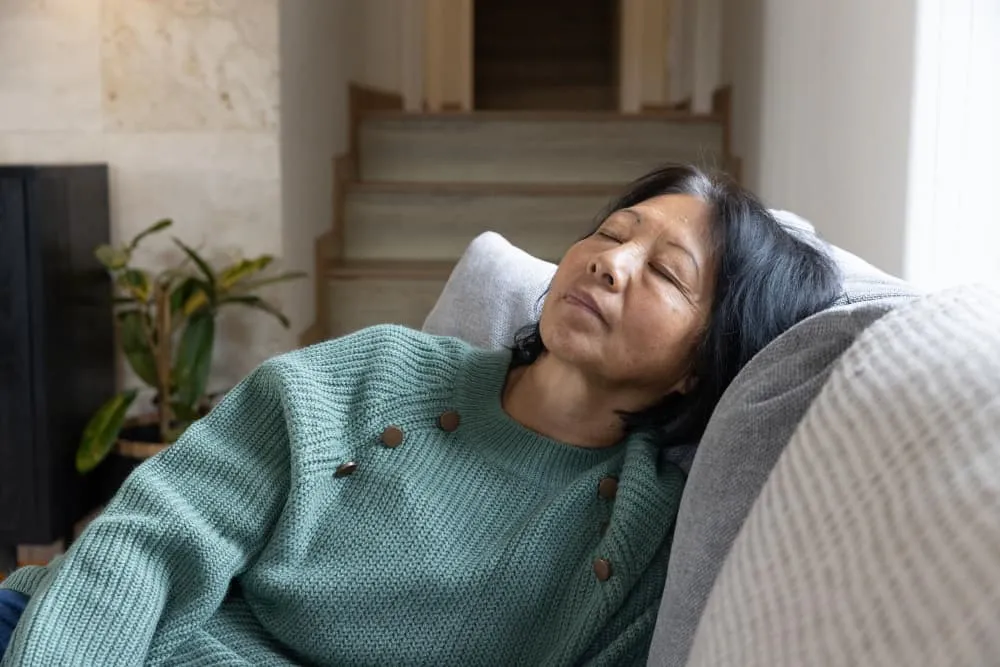
Many women believe they are sleeping, but they aren’t sleeping “deeply” enough. Physiological changes affect melatonin secretion and body temperature regulation, leading to waking up in the middle of the night, fragmented sleep, or feeling exhausted even after a full night’s rest. [2 source: PMC] Chronic lack of deep sleep further drags down the immune system and energy metabolism, creating a vicious cycle.
Signal 3: Fluctuating Immunity and Recurring “Low-Grade Inflammation”
Post-menopausal women are more prone to chronic low-grade inflammation. This type of inflammation may not show obvious symptoms like redness or swelling, but it manifests as persistent fatigue, joint discomfort, or recurring minor illnesses. [3 source: PMC] This “hidden depletion” is one of the most common threats to health in the mature years.Japanese fucoidan, known for its immune-regulating properties, can effectively address this issue and support immune health in middle-aged and older adults.
Signal 4: The “Chain Reaction” Between Emotions and Physical Energy
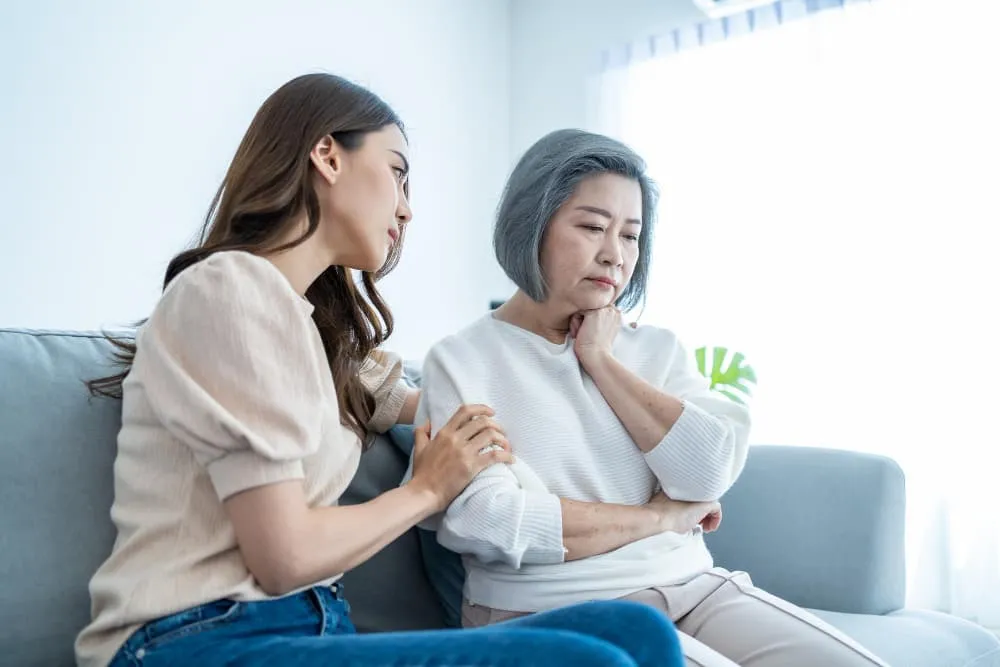
Hormones influence the balance of neurotransmitters like serotonin, which is closely linked to sleep, mood, and energy levels. When you experience irritability or low mood, your body’s recovery efficiency also declines. If you notice physical exhaustion appearing alongside emotional fluctuations, it is often a reflection of physiological changes rather than just psychological stress.
Nutritional Support Strategy After 50: Finding a New Balance
When the body’s repair speed slows down, nutritional support should be more intentional, alongside a stable routine and exercise:
1. High-Quality Protein for Muscle Support: Insufficient protein intake makes recovery even slower. Besides eggs and lean meat, fish (such as salmon and mackerel), soy products, and nuts are excellent choices.
2. Iron and Micronutrients: To maintain energy metabolism, it is vital to supplement with iron, Vitamin B complex, and magnesium, in addition to eating dark leafy greens.
3. Vitamin D and Calcium: As the risk of bone density loss increases, moderate sunlight and Vitamin D supplementation help with calcium absorption and support immune regulation.
4. Deep Defense and Anti-Inflammatory Support: For chronic inflammation, professionals often recommend Omega-3 fatty acids and potent antioxidants.
Notably, more women focusing on immune health in later life are choosing Japanese fucoidan as part of theirlong-term wellness routine.
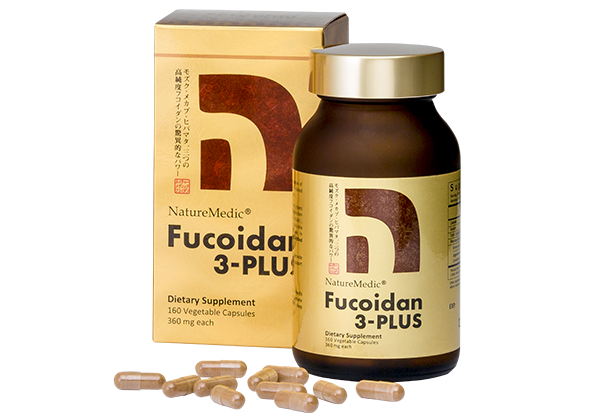
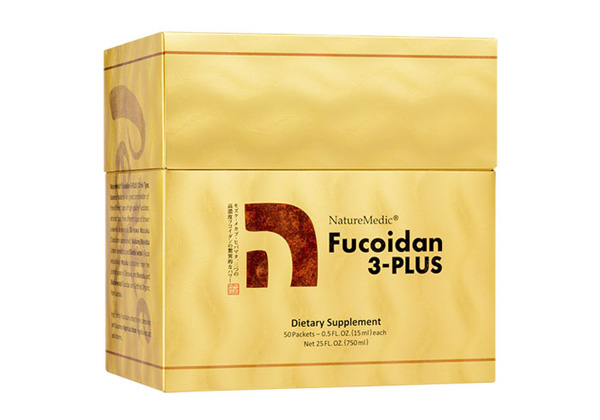
Extracted from deep-sea seaweed, fucoidan has excellent immune-regulating properties and supports cellular health [4 source: PMC]. Choosing a high-concentration triple fucoidan formula—combining Okinawa mozuku, wakame sporophyll, and bladderwrack (such as NatureMedic Fucoidan 3-PLUS formula)—can create a stable protective barrier through synergistic effects, gently helping the body resist environmental and age-related challenges.

FAQ on Health Management for Mature Women
Q1: Why do I feel more fatigued after 50?
A: As estrogen declines, muscle repair and cell regeneration slow, and metabolic rate drops. This leads to longer recovery from minor illnesses, prolonged soreness after exercise, and difficulty recovering from fatigue.
Q2: What is “low-grade inflammation”?
A: It’s a chronic, mild inflammatory state common after menopause. It may not show obvious symptoms but appears as fatigue, joint discomfort, or recurring minor illnesses.
Q3: What are the recommended long-term nutrition strategies after 50?
A:
– High-quality protein: Supports muscle repair and energy recovery
– Iron and trace elements: Maintain energy metabolism
– Vitamin D and calcium: Reduce bone loss risk
– Anti-inflammatory support: Omega-3 and antioxidants help combat chronic inflammation
Q4: How does fucoidan help immunity?
A: Fucoidan, derived from deep-sea seaweed, regulates immunity and supports cellular health. A triple high-concentration formula (e.g., Natural Fucoidan 3-PLUS) enhances protective effects through synergy.
Q5: What if it’s hard to maintain a balanced diet?
A: In a fast-paced lifestyle, choosing a high-quality, reliable Japanese fucoidan supplement can help maintain balance as part of long-term health management.
A Warm Reminder for You After 50
The changes after 50 are a natural part of life. There is no need to rush back to the past; instead, take the time to adjust and understand these natural transitions.
If you find it difficult to maintain a fully balanced diet or if your lifestyle is too fast-paced to prepare nutritious meals daily, choosing a high-quality, high-concentration, and trustworthy nutritional supplement can make this body transition much easier.
Once your body finds its new equilibrium, it will continue to support you steadily and gently as you step into another exciting and beautiful chapter of life.
source:
[2] PMC –Sleep and Brain Function at Menopause.
[4] PMC – Immunomodulatory and Anti-Inflammatory Effects of Fucoidan: A Review