(852) 5729 0686



Many women undergoingchemotherapy orradiotherapy often have a question in their hearts:
“Am I the only one feeling this way?”
Sometimes it’s sudden exhaustion. Sometimes it’s a moment of sadness when looking in the mirror. And sometimes, it’s simply feeling like you might cry for no clear reason.
Beyond physical discomfort, treatment often brings emotional ups and downs, visible changes, and worries about the future.
Medical research shows that during treatment, hormonal changes, immune system adjustments, and the body’s repair processes can create both physical and emotional challenges for women. Understanding these changes is the first step toward caring for yourself.
What are the common physical and mental challenges for women during chemotherapy and radiotherapy?
1. Extreme Fatigue: It’s Not Laziness, Your Body is Prioritizing Energy
Many women say:
“I didn’t do much today — why am I still so tired?”
Extreme fatigue is one of the most common side effects of chemotherapy. It is characterized by “feeling tired even after resting,” often accompanied by decreased physical strength, poor concentration, and low activity tolerance. During treatment, the body requires vast amounts of energy to repair tissues and maintain immune functions. When energy is prioritized for these vital tasks, the energy available for daily activities naturally decreases. [1 Source: NCCN]
This type of fatigue cannot be resolved by sleep alone; it is a signal that your body is silently working hard to fight and repair for you.
2. Hair Loss and Physical Changes: It’s More Than Appearance
Hair loss is one of the most sensitive side effects for many women because it impacts not only appearance but also self-identity and social confidence. Chemotherapy targets rapidly dividing cells, and hair follicles are among them, leading to noticeable changes in hair, eyebrows, or hair texture. [2 Source: Hong Kong Cancer Fund]
For many women, this is not only about appearance — it can feel like a change in identity.
During this journey, you can try choosing hats you love or breathable human-hair pieces to give yourself a greater sense of security.

3. Diet During Chemotherapy: Why is Eating So Difficult?
Nausea, vomiting, taste changes, oral mucosal discomfort, bloating, or loss of appetite frequently occur during chemotherapy or radiotherapy. This happens because treatment can irritate the digestive system and oral mucosa, making what used to be simple meals feel like a struggle.
These gastrointestinal issues can lead to insufficient calorie and protein intake, making fatigue more pronounced and creating a vicious cycle that slows recovery and affects mood. At this time, rather than forcing large meals, the basic principle is to eat small, frequent meals and choose mild, easy-to-swallow foods that you enjoy.
4. Increased Infection Risk: Your Immune System Is Adjusting
During treatment, the immune system may fluctuate. When the number of neutrophils in the blood decreases or their regulation changes, the body’s defense capabilities may drop, increasing the risk of infection. [3 Source: PMC]
This does not mean your body is failing — it means your immune system is adapting.
Adequate rest, proper nutrition, and avoiding excessive physical or emotional strain are important ways to support immune health.

5. “Chemo Brain”: Why Concentration and Memory Feel Different
Some women notice:
• Forgetfulness
• Difficulty focusing
• Slower thinking
This is commonly known as “chemo brain.”
Research suggests the primary mechanisms involve oxidative stress and inflammation, which lead to cognitive decline by damaging the blood-brain barrier, triggering neuroinflammation, and causing neurotransmitter dysfunction. [4 Source: PMC]
This is not a loss of ability — your body is simply prioritizing healing.
With time and patience, these symptoms often improve.
6. Hormonal Changes and Female-Specific Challenges
Treatment may affect hormonal balance, leading to menopause-like symptoms such as:
• Hot flashes
• Night sweats
• Menstrual changes
• Concerns about fertility
These changes can bring not only physical discomfort but emotional stress as well.

7. Emotional Ups and Downs: Body and Mind Are Closely Connected
When the body is under stress, emotions naturally follow.
Hormonal shifts, sleep disruption, and uncertainty about the future can make anxiety or low mood more common.
If you experience emotional changes during treatment, remember to share them with your healthcare team — emotional health is part of your overall care.
Supporting Your Body’s Defense and Recovery
Many women ask during treatment:
“What else can I do?”
The answer is to work with your body’s needs.
During chemotherapy or radiation, your cells, tissues, and immune system need additional nutritional support to help maintain repair and resilience. You can:
• Eat smaller meals more frequently to maintain energy
• Ensure adequate protein intake to support tissue repair
• Include antioxidant-rich foods (berries, dark vegetables, green tea) to help reduce oxidative stress
• Choose suitable nutritional supportto help maintain immune stability
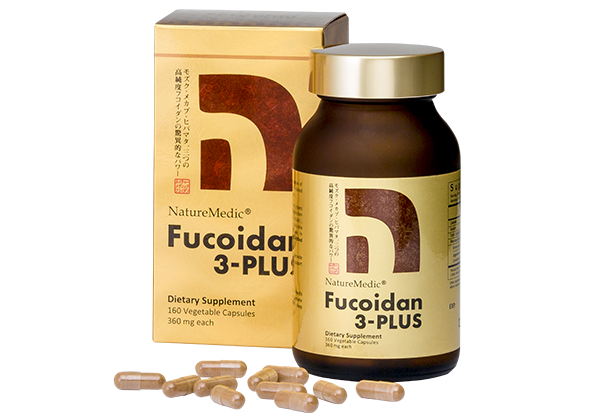
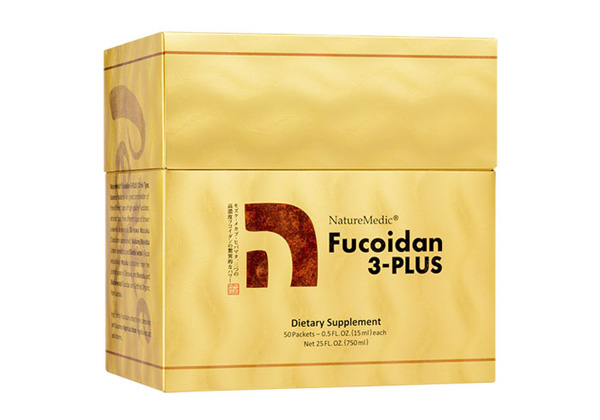
In recent years, many women have also chosen to strengthen their daily nutritional support during treatment. High-purity fucoidan has become a common option.
Research suggests that fucoidan is associated with immune regulation and anti-inflammatory mechanisms, helping support immune health, cellular repair, and overall balance during treatment. [5 Source: Taiwan Ministry of Health and Welfare]
For many women, fucoidan becomes part of their supportive care strategy — helping the body stay steadier during challenging times.
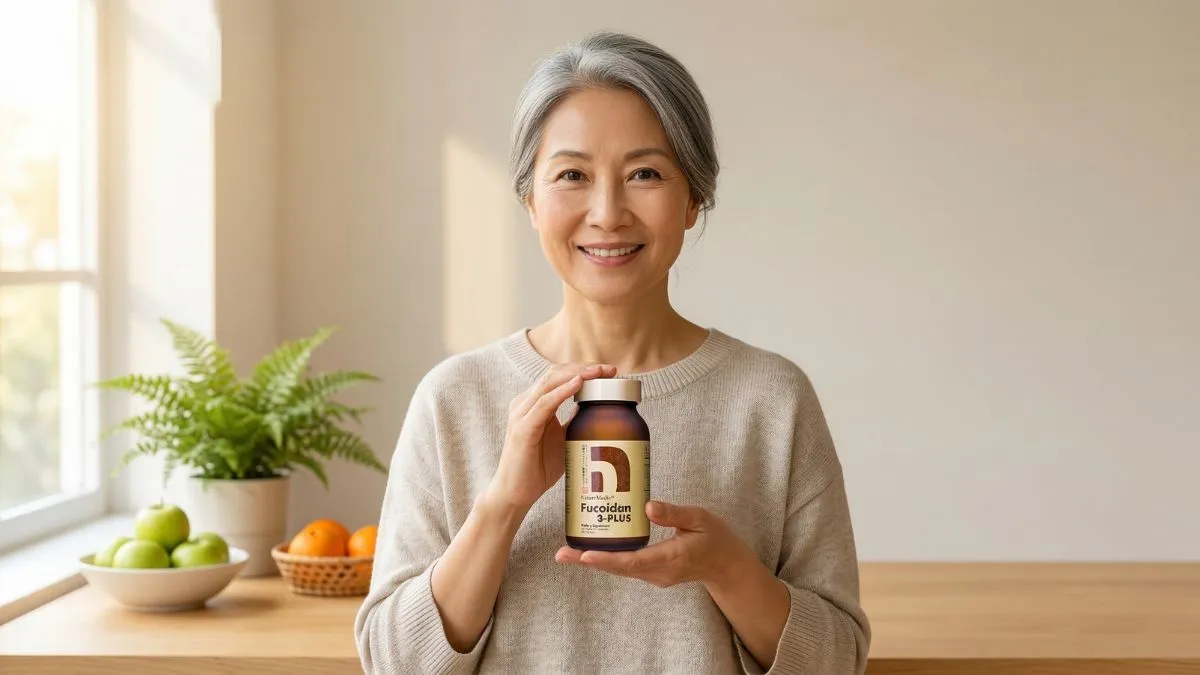
A Gentle Note for Women Going Through Treatment
The reason side effects are so difficult is that they simultaneously affect your body, diet, emotions, and rhythm of life. Please remember: these changes are usually not because you are “not strong enough,” but because the treatment itself has put your body into a high-load state.
If you are experiencing these ups and downs, please remember:
You are not alone. Take your time.
Give yourself patience and kindness. Your body will gradually find its rhythm again.
FAQ: Common Questions on Female Chemotherapy/Radiotherapy Side Effects
Q1. Why am I always tired, and why doesn’t rest help?
Extreme fatigue is a hallmark side effect. Your body is redirecting energy to repair tissues and maintain the immune system. Fatigue often persists even after sleep—it’s a sign of your body’s internal “repair work.”
Q2. Is hair loss just a matter of appearance?
No. It affects self-identity and confidence. For many women, it represents a shift in how they see themselves. However, it is usually reversible, and items like hats or hairpieces can help provide a sense of security.
Q3. Why is it so hard to eat during chemotherapy?
Treatment can cause nausea, taste changes, or mouth sores. This can lead to poor nutrition and increased fatigue. We recommend small, frequent meals and choosing gentle, appetizing foods.
Q4. Does chemotherapy make me more prone to infection?
Yes. Fluctuation in immune cells (neutrophils) lowers your defenses. This is a period of readjustment for your immune system. Rest and nutrition are vital to avoid over-exhaustion.
Q5. Why have I become forgetful or unable to focus?
This is “Chemo Brain,” likely caused by neuroinflammation and oxidative stress during treatment. It is a temporary redirection of resources by your body, not a permanent loss of ability, and typically improves post-treatment.
Q6. What can I do to alleviate side effects?
Focus on small, frequent meals, high protein intake, and antioxidant-rich foods. Many women also use supportive supplements like high-purity Fucoidan, which research suggests can help with immune regulation and anti-inflammation to improve comfort during the journey.
Sources:
[1] NCCN – Fatigue and Cancer
[2] Hong Kong Cancer Fund – Hair Loss
[3] PMC – Advances in research on childhood neutropenia
[4] PMC – Chemotherapy-related cognitive impairment: What we need to know and what we can do
[5] Ministry of Health and Welfare (Taiwan) – Natural Extract Fucoidan Improves Tumor Microenvironment and Enhances Immune Cell Activity, Helping to Boost Chemotherapy Efficacy