(852) 5729 0686



During chemotherapy, many people notice that discomfort — not pain — is often the first challenge. Reduced appetite, bloating, nausea, constipation, or diarrhea are all common gastrointestinal side effects of chemotherapy.
Because these symptoms are so common, many people assume they are temporary and simply try to push through them. However, gut condition directly affects nutrient absorption, energy recovery, and the overall stability of the body’s conditioning process.
Whether you are currently undergoing chemotherapy, managing a serious illness, or in a long-term body-conditioning phase, digestive support is a key part that should not be overlooked. In this article, a Japanese premium fucoidan brand provides a practical approach to outlining dietary principles and nutritional support directions during treatment periods.
Why Is Digestive Discomfort More Common During Chemotherapy?
Research shows that nausea, loss of appetite, diarrhea, and constipation often result from chemotherapy’s impact on the intestinal lining, gut microbiota, and nervous system. [1 Source: NIH] In addition, individual constitution and lifestyle patterns also influence gut flora changes, such as:
– Changes in digestive secretions and intestinal motility patterns
– Altered taste and appetite
– Increased physical and emotional fatigue
– Shifts in gut microbiome balance
– Irregular meal timing and portion size
When the gut environment is unstable, digestion and absorption efficiency decline, making bloating, poor appetite, and irregular bowel movements more likely—further aggravating chemotherapy-related discomfort.
Dietary principles to relieve chemotherapy side effects
Nutrition during treatment does not necessarily mean eating more — the priority is:
easy to digest + steady intake + low irritation
The following habits can help ease digestive distress while maintaining basic nutrition: [2 Source: NIH]
– Eat smaller meals more frequently
– Choose mild, warm, soft-textured foods first
– Avoid very oily, sugary, spicy, or heavily processed foods
– Maintain basic protein intake (adjust based on individual tolerance)
– Stay well hydrated with fluids taken in small amounts throughout the day
– Eat slowly to reduce digestive burden
If chemotherapy side effects are significant or persistent, personalized dietary adjustments should be made with medical guidance.
How to Maintain Basic Nutrition When You Don’t Feel Like Eating
A common difficulty during treatment is knowing you need nutrition — but not being able to eat enough.
Helpful strategies include:
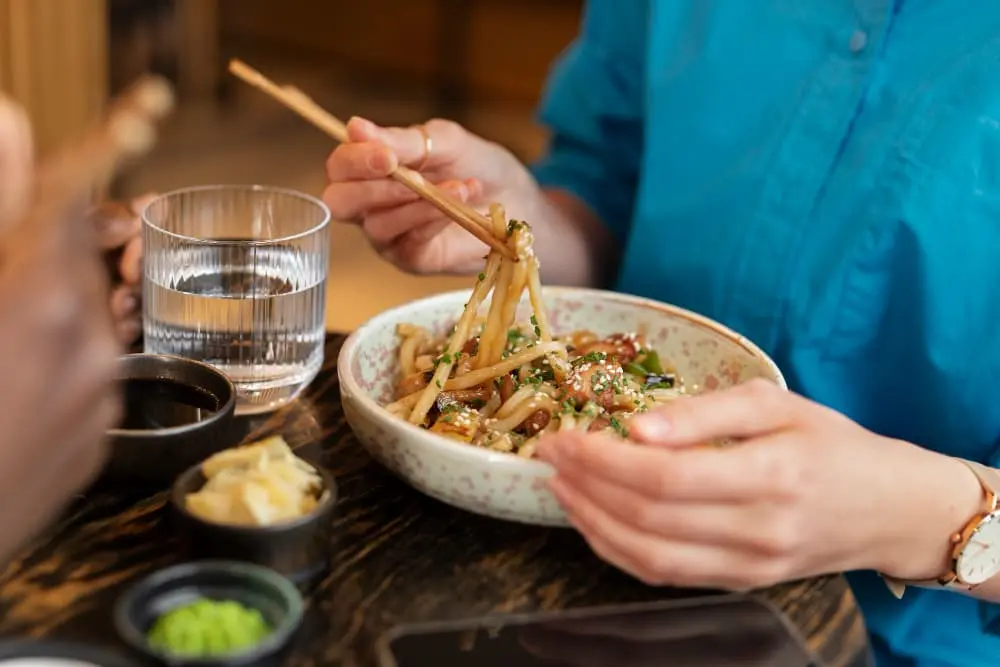
– Semi-liquid or soft foods (such as porridge, soups, steamed eggs)
– Small portions taken multiple times per day
– Avoid foods that are extremely hot or cold
– Split one meal into several smaller servings
– Prioritize what is tolerable to eat, rather than perfect portion targets
Consistency matters more than quantity during recovery phases.
Nutrition support during treatment and recovery: body conditioning and supplements
Beyond dietary adjustments, some people include body-conditioning supplements as part of their daily support strategy during treatment or recovery, with goals such as supporting nutritional stability, easing chemotherapy-related side-effect burden, and maintaining immune regulation balance.
Among different supplement categories, recent research has placed growing attention on seaweed-derived polysaccharides for their roles in immune regulation and body conditioning. Fucoidan is one of the most frequently discussed compounds and appears in research related to abnormal cell regulation and immune modulation mechanisms. [3 Source: Frontiers]
For this reason, many people include fucoidan products as part of their supportive daily regimen during treatment and recovery periods.
Besides dietary adjustments, some patients use nutritional supplements during and after chemotherapy to support nutrient absorption, relieve side effects, and strengthen immune balance.
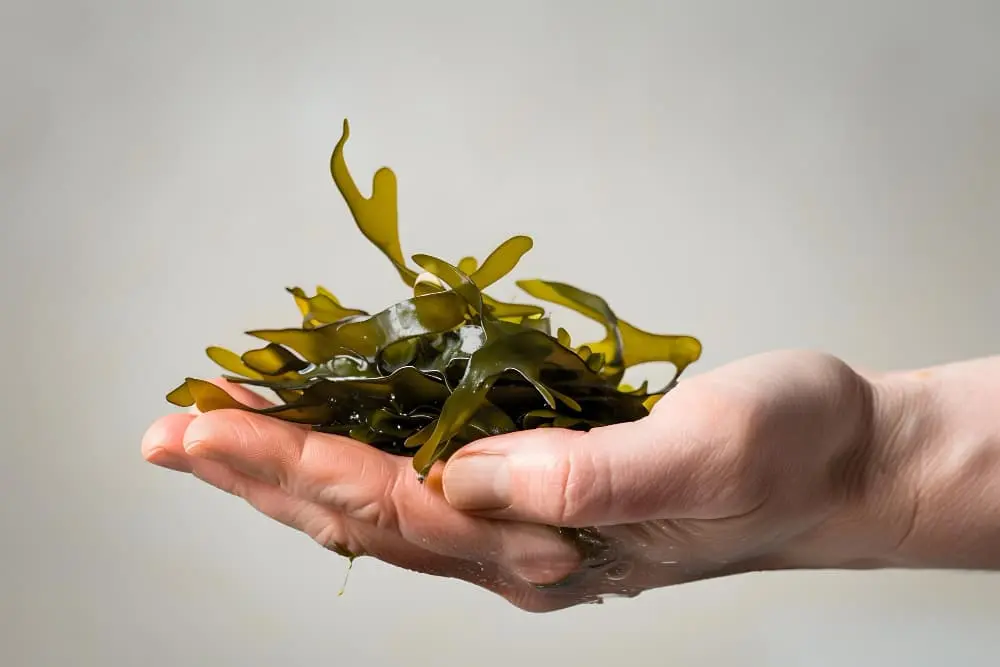
Why do some fucoidan formulas include probiotics?
During intensive treatment and recovery phases, many patients and families notice that when the body becomes weaker, the digestive system often becomes more sensitive first — with more bloating, slower digestion, bowel changes, and reduced desire to eat. From a practical standpoint, it is important that nutritional support also helps support digestive comfort.
Therefore, product formulas are designed not only for nutrient concentration but also to enhance gut microbiota balance and overall body wellness.
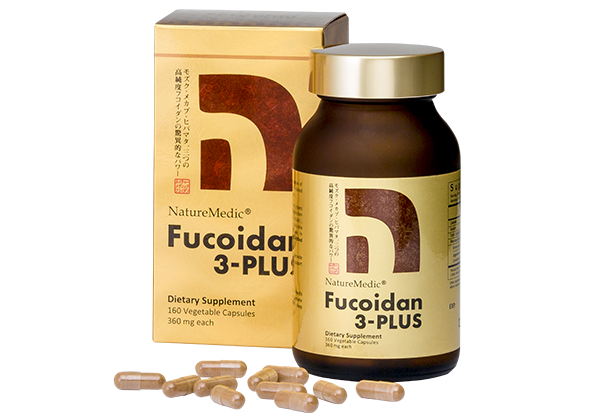
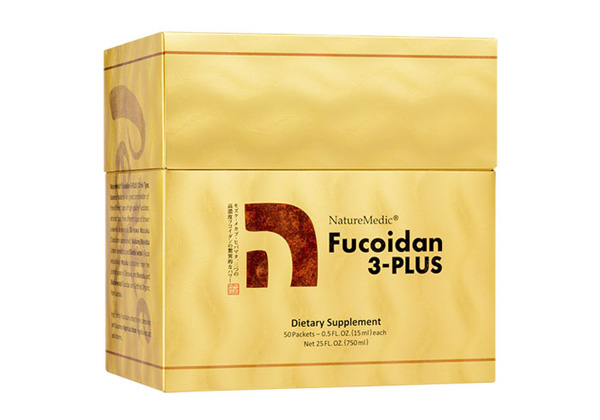
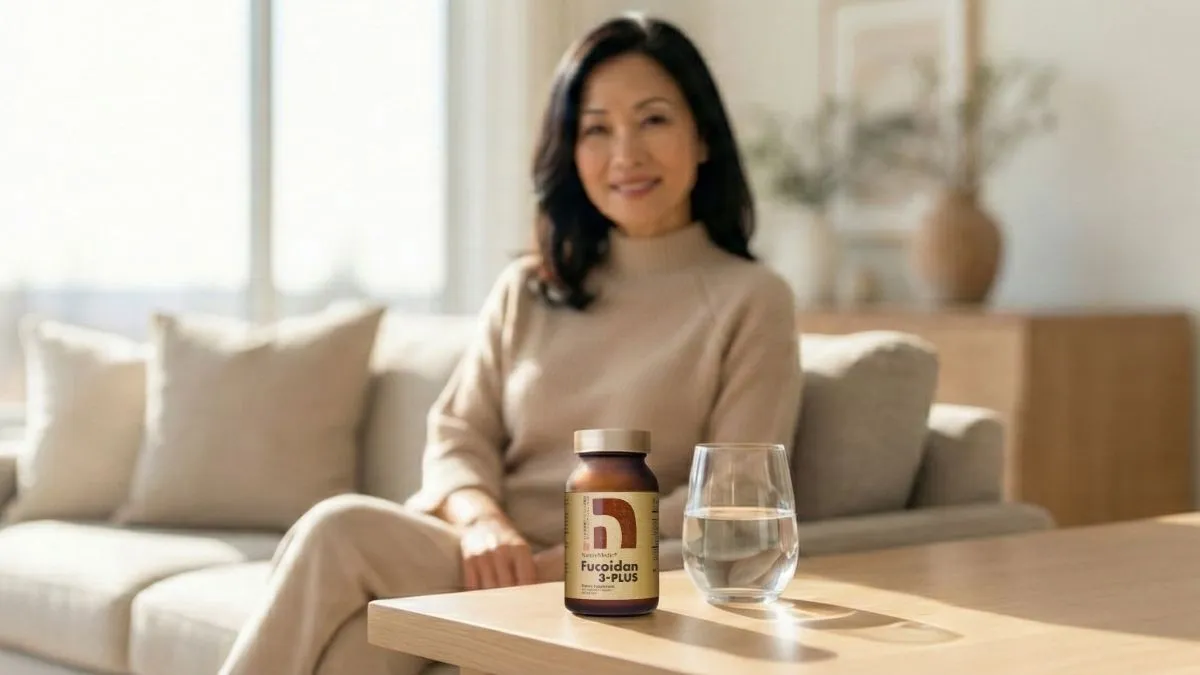
NatureMedic Fucoidan 3-PLUS capsules contain three types of highly purified fucoidan extracts (from Okinawan mozuku, wakame sporophyll, and bladderwrack), enriched with two common probiotic strains and Brazilian mushroom extract. This combination helps regulate gut flora, promote nutrient absorption, and strengthen the body’s defense against malignant cells [4 Source: NIH].
Among Japanese high-purity fucoidan supplements, formulas combining probiotics and mushroom extracts are relatively uncommon. This approach integrates fucoidan with probiotics to provide more comprehensive health support for those managing long-term treatment and recovery.
>> Click here for more wellness tips on NatureMedic Fucoidan 3-PLUS capsules
Helping your body recover at a manageable pace
Digestive discomfort during chemotherapy is a common side effect. Rather than relying on short-term coping or endurance, it’s better to build a sustainable dietary and nutritional support plan.
When digestion is well-managed and nutrient intake remains steady, the overall recovery process tends to be smoother.
Following a gradual, stable, and sustainable approach is often more effective in long-term physical conditioning than sudden intensive interventions.
Common FAQs on Managing Chemotherapy Side Effects
Q1: Is it normal to have digestive issues (like nausea or diarrhea) during chemotherapy? How long will it last?
A: Yes, these are common side effects that usually subside within several days to a week after treatment. If symptoms last beyond a week or cause severe dehydration or eating difficulties, contact your doctor immediately. Early dietary adjustments help prevent worsening fatigue or nutrient loss.
Q2: How can chemotherapy side effects be eased through diet?
A: Follow the principles of small, frequent, mild, and gentle meals. Eat every 2–3 hours in small portions (e.g., porridge, steamed egg), choose warm, soft foods, and avoid greasy, spicy, or processed items. Chew slowly and drink warm water to relieve nausea and bloating.
Q3: What if I can’t eat during chemotherapy?
A: Switch to semi-liquid foods (e.g., congee, mashed potatoes, soups), divide meals into several sittings, and avoid temperature extremes. The priority is eating something, not quantity perfection. If you’re losing weight noticeably, consult a dietitian about meal replacements or nutrition drinks.
Q4: What foods should be avoided when digestion is upset during chemotherapy?
A: Avoid oily (fried foods), spicy, overly sweet, and processed foods (like canned or fast food), as well as overly hot or cold items — these can irritate the stomach and slow digestion.
Q5: How should I choose health supplements during cancer care?
A: Consider complex formulas that support both the immune system and gut health (such as fucoidan + probiotics + mushroom extracts), but always consult healthcare professionals first. Pay attention to your condition, treatment stage, and possible interactions. Those with kidney or liver issues should seek medical advice before taking any supplements.
Related Literature:
[1] NIH: Chemotherapy induced gastrointestinal toxicities
[3] Frontiers: Fucoidan-Supplemented Diet Potentiates Immune Checkpoint Blockage by Enhancing Antitumor Immunity
[4] NIH: Probiotics’ Ameliorating Effect on Side Effects of Cancer Treatment: Reflections and Prospects