(852) 5729 0686


⚠️ Medical Disclaimer
The content of this article is for health education and reference purposes only and cannot substitute professional medical diagnosis and treatment. For personal dietary adjustments, exercise planning, and dietary supplement use during recovery, please be sure to consult your primary care physician or clinical dietitian.
Core Insight:Ending treatment does not mean the alarm is cleared. The key to preventing recurrence lies in improving the body’s “inflammatory environment” so abnormal cells cannot grow again.
🌱 3 Major Slow-Care Strategies:
🛡️ Scientifically Backed Defense:
Fucoidan has proven mechanisms for activating Natural Killer (NK) cells and inducing apoptosis in abnormal cells, making it a natural nutritional choice for maintaining immune surveillance during recovery.
Hearing your primary doctor say, “The treatment has ended successfully. From now on, you just need regular follow-ups and tracking,” should be the happiest moment in the entire treatment. However, through our experience with nutritional consultations and supplement selections, we often see newly discharged patients and their families fall into a different kind of anxiety—terrified that a single misstep might undo all past efforts, sometimes becoming so nervous they cannot sleep in the days leading up to a follow-up.
In reality, medical treatments (such as surgery,chemotherapy, or radiotherapy) are like a powerful weed-clearing operation. They clear visible threats, but the “soil”—your internal body environment—needs time to repair slowly. The true key to reducing recurrence risk isn’t living in fear every day, but adopting scientific “slow-care” to adjust your body into a healthy environment where abnormal cells cannot take root.
Why Is Recurrence Common After Treatment? Unpacking the “Pro-Inflammatory Body” and the Soil Theory
The main reason for post-treatment recurrence is that residual microscopic abnormal cells (the “seeds”) encounter an internal environment (the “soil”) characterized by chronic inflammation, hypoxia, and low immunity, making them easily reactivated to grow again.
There is a famous “Seed and Soil Theory” in the medical community [1 Source: NIH] . If the internal environment remains in a state of chronic inflammation and low immunity for a long time, even if only a minuscule, undetectable number of abnormal cells remain after treatment, they can easily sprout again in this inflammatory soil.
Therefore, the focus of recovery care is not blind, excessive nourishment, but implementing two core goals:
- • Degrade Chronic Inflammation:Reduce inflammatory factors in the body to cut off the nutrient supply to abnormal cells.
- • Awaken Immune Surveillance:Reactivate the auto-immune defense line, allowing immune cells to regain their daily monitoring and self-healing capabilities.
3 “Anti-Inflammatory Slow-Care” Strategies for a Healthy Internal Environment
Inflammatory status and immune activity are closely linked to the foods we eat every day, sleep quality, and stress hormones. After returning to daily life, patients do not need to put too much pressure on themselves; they can start with these 3 practical lifestyle habits:
Practice an “Anti-Inflammatory” Diet (Includes Food List)
Research shows that high sugar, refined carbohydrates, and ultra-processed foods promote the release of inflammatory factors. It is recommended to adopt the Mediterranean Diet as a core guide, choosing natural whole foods rich in antioxidant capacity:
- • Cruciferous Vegetables: Broccoli, Chinese kale, cabbage, Napa cabbage (rich in sulforaphane and indole-3-carbinol).
- • Quality Omega-3 Oils: Salmon, mackerel, Pacific saury, flaxseed oil, extra virgin olive oil.
- • Antioxidant Spices & Fruits: Turmeric, garlic, blueberries, cranberries.
Reshape Biological Clocks and Incorporate Micro-Exercise
Staying up late continuously, lack of sleep, or over-fatigue disrupts HPA axis operations, causing stress hormones (cortisol) to rise abnormally and suppress the immune system. Spending 20 to 30 minutes daily on moderate aerobic exercise (such as brisk walking, yoga, or stretching) not only relieves stress but also helps restore certain immune indicators [2 Source: NIH].
Mental Detox and Emotional Release
If patients remain in a state of fear and anxiety regarding recurrence for a long time, it may reduce immune cell activity and further interfere with the body and brain’s repair mechanisms. Therefore, we encourage patients to join patient support groups or pick up relaxing hobbies (such as gardening, painting, or listening to music). Maintaining inner peace and joy is a vital part of building an anti-inflammatory body [3 Source: Taiwan Cancer Foundation].

Long-Term Immune Surveillance: Fucoidan’s Deep Defense Mechanism
Right after finishing treatment, a patient’s physical strength, digestion, and absorption are often not fully recovered, making it difficult to rapidly build deep immune defenses through daily diet alone. At this stage, natural nutritional supplements backed by clinical research can offer excellent support. Among them, Fucoidan possesses two core mechanisms during recovery:
Scientific Evidence 1: Activating Natural Killer (NK) Cells
According to a study published in the medical journal Marine Drugs, high-purity polysaccharides extracted from deep-sea brown algae significantly enhance NK cell activity and patrolling frequency. NK cells are first-line immune patrollers capable of promptly discovering and clearing residual abnormal cells [4 Source: MDPI].
Scientific Evidence 2: Triggering Apoptosis in Abnormal Cells
Literature in Marine Drugs also indicates that Fucoidan’s unique sulfated polysaccharide structure acts on signaling pathways within abnormal cells, inducing them to trigger their natural self-destruction mechanism (apoptosis) and blocking abnormal proliferation chains [5 Source: MDPI].
Recovery Maintenance Plan: How to Choose Fucoidan Products?
Conditioning the body during recovery is a process that requires persistence; choosing products with pure ingredients and strict quality standards is crucial. We recommend evaluating based on these 3 principles:
Authoritative Third-Party Certification: Choose products awarded international honors like the Monde Selection Gold Award or verified by multiple third-party tests to ensure no heavy metals, pharmaceutical residues, or radiation contamination.
Complex Brown Algae Sources: Single brown algae sources offer limited protective scope. Formulas combining multiple brown algae—such as Okinawa Mozuku, Mekabu (Undaria pinnatifida), and Fucus vesiculosus—provide more comprehensive physiological regulation.
Select Form Based on Recovery Stage:
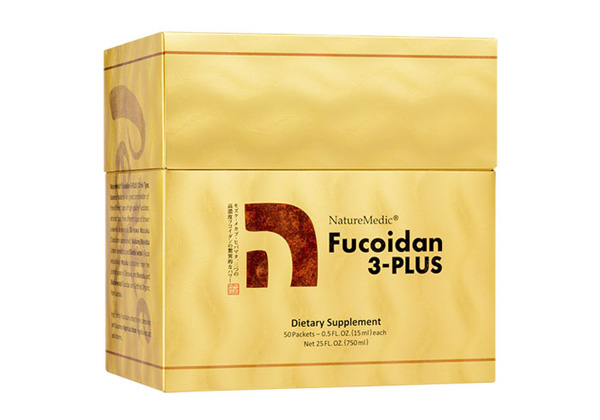
- • During Treatment or Weak Physical Condition: Highly concentrated liquid forms are recommended its higher content and better absorption..
- • Post-Treatment Stable Maintenance Phase: Transitioning to capsule form is recommended. It is portable, convenient for daily intake, and more cost-effective for long-term care.
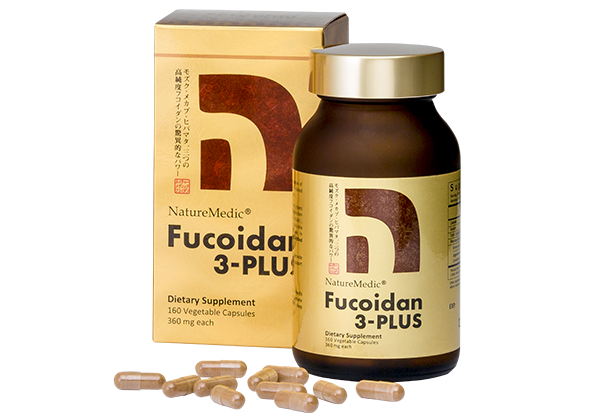
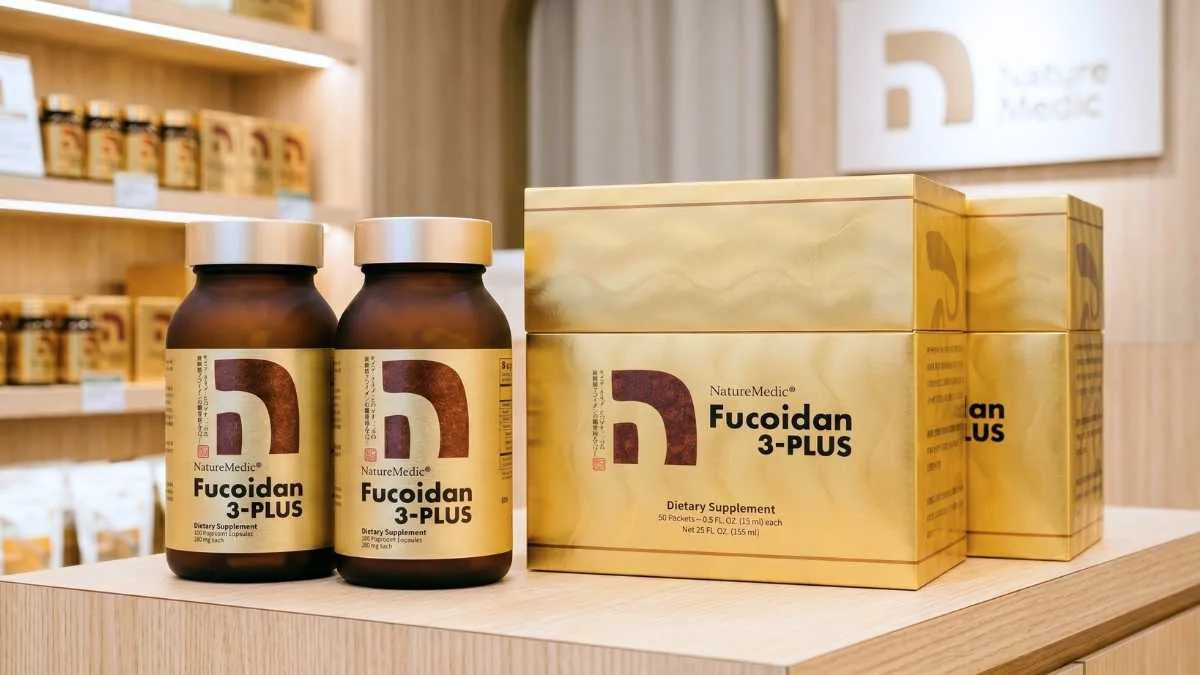
NatureMedic Fucoidan 3-PLUS combines three types of high-purity fucoidan extracts and has passed international quality certifications for 10 consecutive years. Providing high standards of purity and safety, it is a reliable choice to accompany patients in long-term immune surveillance and health maintenance.
Frequently Asked Questions (FAQ) About Preventing Recurrence
Q1: My treatment is over, and all my health indicators are normal. Can I return to my old eating habits?
Not recommended. Pre-illness dietary habits and high-stress lifestyles were often the underlying drivers behind forming an “inflammatory body” in the first place. View recovery as an opportunity to rebuild healthy living habits—maintain a low-sugar, high-fiber diet rich in whole foods to avoid creating an environment where bad cells can grow again.
Q2: How long does “slow-care” usually need to be maintained?
Clinically, the first 3 to 5 years post-treatment are considered the critical tracking period. However, creating a healthy internal environment is not a short-term task, but a lifestyle attitude that requires long-term maintenance. Through continuous dietary management and appropriate supplement support, you can keep your body’s defense network in optimal condition.
Q3: I took NatureMedic Fucoidan 3-PLUS Liquid during treatment. Should I continue during recovery, or switch to capsules?
If you have passed the most difficult phase of treatment and your appetite and diet have returned to normal, we recommend switching to NatureMedic Fucoidan 3-PLUS Capsules. Capsules are convenient to carry when going out or working and are more cost-effective for long-term maintenance. For example, a bottle of 160 capsules used for basic daily protection (2 capsules/day) can last for 80 days, allowing you to continuously consolidate your immune defense while resuming a normal pace of life.
📚 Scientific Evidence and References
To ensure information accuracy and professionalism, the content of this article is based on research published in the following international medical and biological journals:
[3] Taiwan Cancer Foundation: Psychological Care for Cancer Patients.