(852) 5729 0686


Gut Microecology & Immune Defense Repair: Many people continuously take probiotic supplements with limited results—the key issue lies in overlooking the synergistic role of “prebiotics.” Through a precise combination of “Probiotics + Prebiotics (Synbiotics)” and advanced “Fucoidan Polysaccharides,” you can effectively reshape gut microbiota balance and strengthen approximately 70% of the body’s intestinal immune defense network.
🌿 3 Synergistic Defense Mechanisms of the Gut Microecology
🛡️ Target Audience & Timing of Supplementation
Particularly suitable for individuals with frequent eating-out habits, unbalanced diets, chronic indigestion, bloating, irregular bowel movements, weak constitutions, or those requiring advanced immune defense support. Timely supplementation with a multi-ingredient formula helps maintain microbiota stability and improve quality of life.
💡 Supplementation Precautions & Buying Advice
- Prioritize Synbiotic Formulas: It is recommended to choose multi-ingredient products that combine high-purity fucoidan extract with dual patented probiotics (such as L. paracasei and B. longum) to maximize the synergistic benefits of polysaccharides and live bacteria.
- Diet & Lifestyle Alignment: Nutritional supplements should be accompanied by adequate daily water intake and high-fiber fruits and vegetables. If you have major medical conditions or are undergoing specific medical treatments, please consult your attending physician or dietitian before supplementation.

With growing awareness of immune system and digestive health, the terms “probiotics” and “prebiotics” have become increasingly common. So, what exactly are probiotics and prebiotics? Simply put, probiotics are “beneficial bacteria” added to maintain gut health, while prebiotics are the “food source” that feeds these good bacteria. The two complement each other to effectively regulate gut microbiota ecology and enhance immunity.
However, many people confuse the two when choosing dietary supplements—what is the key difference between probiotics and prebiotics? How do they impact our health? In this article, experts break down their mechanisms, functional differences, and correct usage to help you build an optimal gut health environment.
What Are Probiotics? The Defense Force of Gut Microecology
According to the World Health Organization (WHO) definition [1], probiotics are live microorganisms that, when administered in adequate amounts, confer a health benefit on the host.
Hundreds of microorganism species reside in the human gut, maintaining a delicate ecological balance. When harmful (pathogenic) bacteria overgrow, it can lead to issues such as bloating, constipation, or gastrointestinal inflammation. Probiotics act like a “defense force” inside the gut, suppressing the proliferation of harmful bacteria, maintaining a healthy intestinal environment, improving digestion, boosting immunity, and helping the body better absorb nutrients.
Common Types of Probiotics and Their Functions
1. Genus Lactobacillus
Mechanism of Action: Mainly colonizes the small intestine; breaks down lactose and produces lactic acid to maintain a mildly acidic gut environment, inhibiting harmful bacterial growth.
Representative Strain: Lacticaseibacillus paracasei, commonly used to regulate constitution and digestive tract functions.
2. Genus Bifidobacterium
Mechanism of Action: Mainly colonizes the large intestine; ferments to produce acetic acid and organic acids, protecting the integrity of the intestinal mucosa.
Representative Strain: Bifidobacterium longum, helps maintain gut microbiota balance and supports smooth bowel movements.
What Are Prebiotics? The Essential Fuel for Beneficial Bacteria to Root and Multiply

Unlike probiotics, prebiotics are not living microorganisms. Instead, they are non-digestible food ingredients that stimulate the growth and activity of beneficial gut bacteria. They primarily originate from plant fibers (found in certain vegetables, fruits, and whole grains). After passing through the upper digestive tract, they provide nourishment for probiotics in the gut, helping them multiply and maintain a flourishing population of beneficial bacteria.
How Do Prebiotics Promote Gut Health?
Generating Short-Chain Fatty Acids (SCFAs): When good bacteria ferment prebiotics, they produce acetate, propionate, and butyrate. These metabolites serve as the primary energy source for intestinal epithelial cells, maintaining the integrity of the gut barrier.
Maintaining Probiotic Activity: Supplementing probiotics without prebiotics makes it difficult for live bacteria to colonize the gut long-term due to a lack of nutrients.
In simple terms, prebiotics serve as “food” for probiotics, enhancing their activity and numbers to achieve a superior 1+1>2 health outcome. Research indicates that approximately 70% of human immune cells (such as IgA antibodies and T cells) reside within the gut-associated lymphoid tissue [2].
Therefore, maintaining a balanced gut microbiota is not just about aiding digestion—it is the vital first step toward building systemic immunity throughout the entire body.
Advanced Gut Microecology Care: Synergistic Effects of Fucoidan Supplements and Probiotics
Now that you understand the principles of combining probiotics and prebiotics, you might wonder: Are dietary fiber and oligosaccharides from fruits and vegetables the only sources of prebiotics?
In fact, with advances in preventive medicine and microecological research, nutritional science has revealed that the scope of prebiotics is far broader than previously thought. Beyond common inulin and fructooligosaccharides, high-molecular-weight polysaccharides extracted from deep-sea brown seaweed—known as “Fucoidan“—have recently emerged as a novel class of prebiotics featuring advanced defense capabilities [3].
Why Is Fucoidan an Ideal “Advanced Prebiotic”?
High-Molecular Sulfated Structure: Fucoidan is rich in unique “L-fucose” and sulfate groups, allowing it to resist gastric acid and bile salts. It travels intact to the large intestine for fermentation, providing a high-quality, stable nutrient source for beneficial bacteria.
Dual Defense Mechanism: While traditional prebiotics only supply nutrition, fucoidan works on two fronts: as it is fermented by probiotics, its polysaccharide structure forms a protective barrier over the mucosal surface, minimizing irritation from harmful substances.
Upgrade Strategy: Moving from Single Supplements to “Synbiotic Formulas”
For individuals with weak digestive function, frail constitutions, seniors, or those with severe dietary fiber deficiencies, single probiotic supplements may fail to colonize effectively due to poor gut environment. Conversely, relying solely on traditional prebiotics can cause gas and bloating from rapid fermentation.
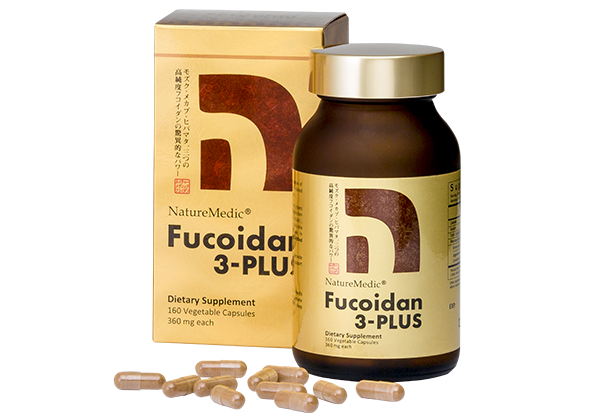
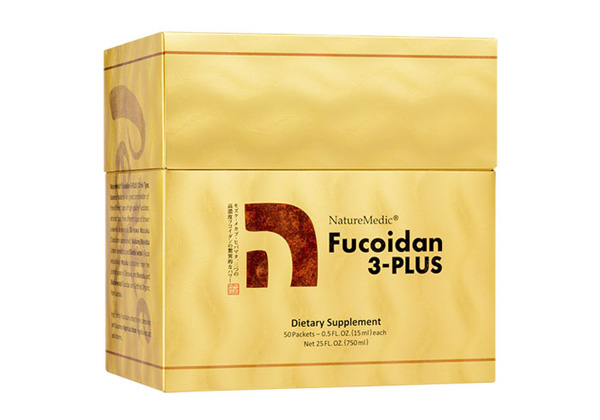
Hence, modern advanced gut care favors a formula combining “High-Purity Marine Polysaccharides + Medical-Grade Probiotics.” For instance, NatureMedic Fucoidan 3-PLUS Capsules not only incorporates three high-purity fucoidan extracts (sourced from Okinawa Mozuku, Mekabu, and Fucus vesiculosus), but also blends two key probiotics (Lactobacillus paracasei and Bifidobacterium longum). This delivers comprehensive support for gut microbiota balance and immune defense, offering all-around protection for daily health.
Made in Japan · Certified Quality
NatureMedic Fucoidan 3-PLUS Capsules (High-Purity Marine Polysaccharides + Dual Patented Probiotics)
Specially formulated for individuals seeking advanced digestive care and immune defense. Combines three high-purity fucoidans from Okinawa Mozuku, organic Mekabu, and Fucus vesiculosus (containing 40g of high-concentration polysaccharide prebiotics per bottle), enhanced with Lactobacillus paracasei and Bifidobacterium longum for a powerful synbiotic effect that reinforces gut barrier function and supports 70% of immune defenses.
Please consult a doctor or healthcare professional before supplementation. Consume according to recommended dosage.
Conclusion: Maintaining Gut Microecology Is a Team Effort
Probiotics supply beneficial bacteria to the gut, while prebiotics serve as essential fuel to empower them. Working together, this synbiotic synergy creates a truly resilient gut defense network.
Starting today, alongside a balanced diet rich in fiber, fruits, vegetables, and fermented foods, consider adding high-quality synbiotic supplements to your routine. By providing your gut with the right bacteria and proper nutrients, you can boost immune strength and digestive health from within—laying a solid foundation for your overall well-being!
Frequently Asked Questions (FAQ) About Probiotics and Prebiotics
Q1: What is the difference between probiotics and prebiotics?
Probiotics are live “good bacteria” introduced into the digestive tract, whereas prebiotics are the “food” (such as dietary fibers and oligosaccharides) that feed these good bacteria. Combining both (synbiotics) delivers optimal colonization and maintenance for gut health.
Q2: Why is gut health so closely linked to immune system function?
The gut is the body’s largest immune organ, housing approximately 70% of all immune cells within its mucosal lining. When gut microbiota remain balanced, they form a effective shield against pathogens while reducing chronic inflammation.
Q3: Is daily diet enough to provide sufficient probiotics and prebiotics?
With an exceptionally balanced diet, you can obtain probiotics from unsweetened yogurt, natto, and kimchi, and prebiotics from onions, garlic, bananas, and oats. However, for individuals who frequently eat out, experience high stress, suffer from indigestion, or lack dietary fiber, high-quality combined supplements offer a more efficient way to maintain microbial balance.
Q4: Who should take a multi-ingredient supplement containing Fucoidan and Probiotics?
This combination is ideal for individuals with high digestive health standards, frequent gas or bloating, seniors, people with weakened immunity, or anyone seeking advanced immune support on top of daily gut maintenance.
⚠️ Medical Disclaimer
The content of this article is for health information and educational purposes only and should not replace professional medical diagnosis or treatment. For personal dietary adjustments, exercise plans, and dietary supplement usage during recovery, please consult your primary physician or clinical dietitian.
Citations from Authoritative Institutions & International Journals: To ensure accuracy and EEAT educational value, the content of this article references guidelines and clinical studies from the Food and Agriculture Organization (FAO), World Health Organization (WHO), British Journal of Nutrition, and the Royal Society of Chemistry journal Food & Function.
1. Expert Report on Evaluation of Health and Nutritional Properties of Probiotics in Food
Research Focus: Official joint evaluation report by the FAO and WHO regarding safety, mechanisms of action, and health benefits of probiotics in food globally.
Key Findings: Established the medical definition of probiotics, confirming that adequate intake of specific strains effectively regulates gut microecological balance, promotes digestive health, and maintains human immune defense functions.
“Health and nutritional properties of probiotics in food including powder milk with live lactic acid bacteria“
2. Effects of Dietary Prebiotics on Gut Microecology and General Health
Research Focus: Conceptual evolution, scientific classification of dietary prebiotics, and their clinical mechanisms in selectively stimulating beneficial gut bacteria (e.g., Lactobacillus and Bifidobacterium).
Key Findings: Prebiotics resist upper GI digestion, reaching the colon intact to ferment and generate short-chain fatty acids (SCFAs), which strengthen mucosal barriers, enhance mineral absorption, and optimize systemic immune responses.
“Dietary prebiotic: revised and updated“
3. Study on Dietary Fucoidan Regulating Gut Microbiota and Microecology Balance
Research Focus: Metabolic pathways of natural fucoidan polysaccharides in the digestive tract and their regulatory effects on gut microbial diversity and probiotic strain colonization.
Key Findings: Confirmed that fucoidan possesses excellent prebiotic properties, significantly increasing beneficial bacterial abundance, decreasing harmful bacteria, and stabilizing the gut microenvironment through metabolic byproducts.
“Dietary fucoidan modulates the gut microbiota in mice“
🛡️ Scientific Validation & Quality Review Statement
All references cited on this page are sourced from authoritative international organizations and peer-reviewed journals (FAO/WHO, PubMed, RSC). The objective is to provide scientific gut health education without replacing formal medical diagnosis or treatment by professional physicians.