(852) 5729 0686


✍️Written by: NatureMedic 3-PLUS Health Editorial Team | 📖Sources: WHO, CHP, PUB, etc. | 📅Last Updated: October 07, 2026
Senior Flu Prevention & Immune Care Guide: Age-related “Immunosenescence” leads to weakened defenses and lower antibody responses in seniors! Effective prevention relies on annual vaccination, good hygiene, and balanced living; clinical research in Japan also shows that Fucoidan supplementation helps optimize immune response to flu vaccines.
🌿 Practical Flu Prevention & Care Plan
🛡️ Target Group & Complementary Support
Ideal for seniors, individuals planning to get the flu vaccine, and elderly individuals needing seasonal health support. “NatureMedic Fucoidan 3-PLUS” combines 3 types of Fucoidan (Okinawa Mozuku, Mekabu, Fucus) with Agaricus mushroom extract and probiotics for comprehensive gut and immune modulation.
💡 Usage Guidance & Safety Advice
- Optimal Timing: It is recommended to start daily consumption (e.g., 2 capsules daily) one month prior to vaccination and maintain it across an 80-day seasonal regimen to help stabilize antibody production.
- Safety Notice: Dietary supplements cannot replace vaccines or prescribed medications. Seniors taking chronic medications, blood thinners, or awaiting surgery should consult a doctor or pharmacist prior to use.
The transition into autumn and winter marks the peak season for influenza and other respiratory diseases, with seniors often being the most vulnerable. During this time, many families frequently face similar questions:
– Why do seniors still easily fall ill even after receiving a flu shot?
– If an elderly family member cannot or is unwilling to get vaccinated, how can they protect themselves in daily life?
To answer these questions, the key lies not only in whether one gets vaccinated, but also in the gradual decline of the elderly body’s defensive system—a phenomenon known as “Immunosenescence.”
What is “Immunosenescence”? The Biggest Gap in Elderly Protection
As we age, the reaction speed and combat ability of human immune cells gradually decline, a condition medically known as “Immunosenescence”. This brings two direct health concerns:
Decreased Daily Defense: When exposed to environmental viruses, the body cannot immediately dispatch enough “soldiers” to eliminate the enemy, leading to an increased risk of infection.
Reduced Vaccine Efficacy: For elderly individuals who receive the flu vaccine, due to an aging immune system, the speed and total amount of antibodies produced by the body after vaccine stimulation are often far inferior to those of young people, making the protective shield prone to loopholes.
The World Health Organization (WHO) points out that older adults, pregnant women, young children, individuals with chronic medical conditions, and immunosuppressed individuals are at a higher risk of developing severe illness following an influenza infection. Severe flu can lead to pneumonia or sepsis and may aggravate pre-existing chronic conditions. [1]
Additionally, the Hong Kong Centre for Health Protection (CHP) reminds the public that elderly persons are more likely to develop severe conditions and complications after contracting influenza. Furthermore, congregate living environments such as residential care homes facilitate the spread of respiratory infections due to frequent close contact among residents. [2]
How Can the Elderly Prevent the Flu? Master Three Key Daily Care Points
1. Get an Annual Influenza Vaccination
The Hong Kong CHP recommends that all persons aged 6 months or above, except those with known contraindications, receive an annual seasonal influenza vaccination. Seniors can consult their family doctors or vaccination service providers regarding suitable vaccines and arrangements. Vaccine types, administration schedules, and subsidy qualifications may be updated annually and should follow the latest CHP information. [2]
Infection may still occur after vaccination, but this does not mean the vaccine is entirely ineffective. Vaccines cannot provide 100% protection, but they help reduce the risk of influenza and its complications. If seniors develop flu-like symptoms after vaccination, especially those with chronic diseases or weaker health conditions, they should contact medical personnel promptly. [1] [2]
2. Maintain Personal Hygiene and Respiratory Protection
During flu season, seniors and caregivers should keep the following practices in mind: [2]
– Wash hands with liquid soap and water when visibly soiled; use alcohol-based handrub when hands are not visibly dirty.
– Wear a surgical mask when experiencing respiratory symptoms and avoid crowded places.
– High-risk individuals should wear a mask as needed when taking public transportation or staying in crowded areas.
– Maintain good indoor ventilation and avoid touching the eyes, nose, and mouth.
– Cover the mouth and nose with a tissue when coughing or sneezing, dispose of used tissues properly, and clean hands immediately.
– Seek medical advice early if respiratory symptoms occur and follow healthcare professionals’ recommendations.
3. Maintain a Balanced Diet, Stay Active, and Manage Chronic Conditions
A balanced diet, moderate physical activity, and adequate rest help maintain overall health. Seniors can ensure sufficient intake of protein, fruits, vegetables, and water based on individual needs. If experiencing poor appetite, persistent weight loss, or requiring special dietary arrangements due to chronic illness, consult a doctor or dietitian.
Seniors with diabetes, chronic lung disease, heart disease, kidney disease, or other long-term conditions should attend follow-ups and take medications as prescribed. Do not stop or alter medical treatment independently due to health supplements. The Hong Kong CHP also advises the public to maintain a balanced diet, regular exercise, and adequate rest as part of daily health management. [2] [3]
Japanese Clinical Study Finds: Fucoidan May Help Boost Immune Responses to Flu Vaccines in Seniors [4]
In addition to the three key points above, selecting appropriate health supplements can also assist in strengthening senior immunity.
A 2013 randomized, double-blind, placebo-controlled trial conducted in a Japanese nursing home investigated the relationship between Mekabu fucoidan derived from Undaria pinnatifida sporophyll and immune indicators in elderly individuals following flu vaccination.
| Research Item | Study Details |
| Study Type | “Randomized, double-blind, placebo-controlled trial” |
| Participants | 70 residents in a Japanese nursing home aged over 60 years |
| Study Material & Dosage | “Mekabu fucoidan (Undaria pinnatifida sporophyll), 300 mg daily” |
| Administration Period | Started 4 weeks before vaccination and continued until 20 weeks post-vaccination |
| Intervention | Seasonal influenza vaccine covering three influenza virus strains |
| Observed Metrics | Influenza antibody titers and Natural Killer (NK) cell activity |
【Study Results and Conclusions】
Following vaccination, antibody levels against all three virus strains were higher in the fucoidan group compared to the placebo group. However, intergroup differences varied across different strains; for instance, more distinct differences were observed in specific antibody metrics for the Influenza B strain. Regarding NK cell activity, the fucoidan group showed an increasing trend at one of the measurement time points, though some metrics did not reach statistical significance.
This study measured blood antibody metrics and NK cell activity rather than actual flu infection rates, severe disease, hospitalization, or mortality rates among participants. Although the results do not prove that fucoidan directly prevents the flu or reduces the risk of severe complications, the overall trend suggests that fucoidan may serve as a nutritional aid to optimize immune responses to vaccines in older adults.
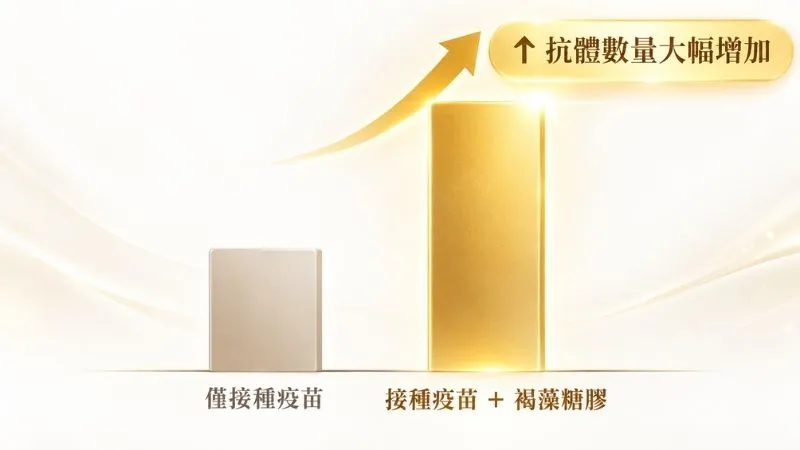
Choice for Boosting Senior Antibodies and Immunity: Advantages of Japan’s Triple Fucoidan Formulation
As age advances, bodily functions and defense mechanisms undergo changes, making daily health maintenance for seniors especially vital during seasonal transitions and the autumn/winter months. To help seniors supplement necessary daily nutrition, many choose NatureMedic Fucoidan 3-PLUS capsules as a daily wellness aid.
Each capsule precisely contains 250mg of high-purity extract; by taking just 2 capsules daily, the total dosage reaches the scientific protection standard of 500mg. One bottle of capsules contains a total of 160 capsules, perfectly providing the elderly with up to 80 days of uninterrupted immune protection, fully covering the entire autumn and winter flu peak season.
Manufactured by the original factory in Japan, these capsules feature a market-leading, world-first formula that brings multi-pronged health benefits to the elderly:
Diverse High-Molecular-Weight Polysaccharides: An exclusive combination of Fucoidan from “Okinawa Mozuku, Mekabu, and Fucus”. Compared to single formulas on the market, the triple formula exerts a powerful synergistic effect, providing broader and deeper immune coverage.
Dual Conditioning for Gut and Immunity: The product is specially enriched with Agaricus blazei mycelium extract and probiotics. Because 70% of the body’s immune cells are located in the gut, improving gut health through probiotics can effectively consolidate and further enhance overall antiviral immunity from the foundation.
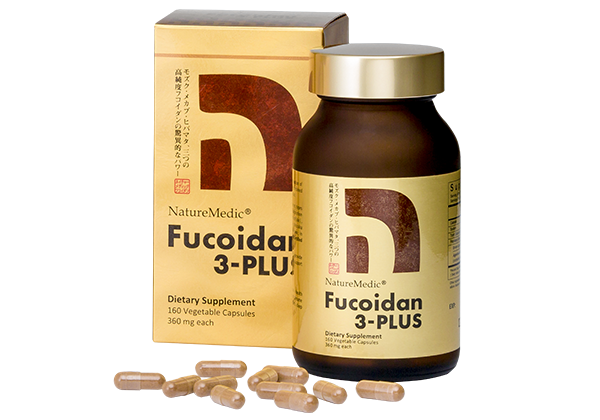
NatureMedic Fucoidan 3-PLUS (Capsules)
Specially formulated for seniors and individuals seeking reinforced immune support. Combining three high-purity Fucoidan extracts with probiotics to balance gut health and strengthen overall immunity during seasonal changes.
- ✓ Exclusive Triple Blend: Okinawa Mozuku, Mekabu, and Fucus Fucoidan
- ✓ Gut & Immune Synergism: Enriched with Agaricus blazei mushroom and Probiotics
- ✓ Specification: 160 capsules per bottle (approx. 80-day seasonal supply)
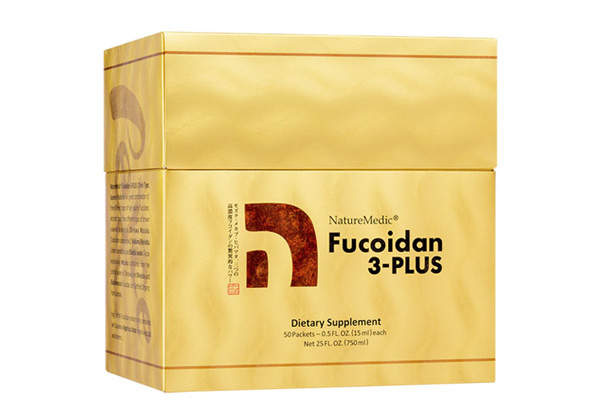
NatureMedic Fucoidan 3-PLUS (Liquid)
Specially designed for seniors with swallowing difficulties, frail constitution, or those needing high-dose rapid replenishment. The liquid formula enables efficient gut absorption to strengthen vital immune defenses.
- ✓ Rapid Absorption: Easy-to-swallow liquid, ideal for seniors with difficulty swallowing capsules
- ✓ High Potency: Richly packed with Triple Fucoidan extracts and Agaricus blazei mushroom
- ✓ Convenient Pouches: Hygienic single-serving liquid sachets, ready to drink anytime
Health Tip: If a senior is taking prescription drugs, anticoagulants, multiple chronic medications, or has upcoming surgical procedures, please present the complete ingredient list to a doctor or pharmacist for professional evaluation prior to starting any supplements to avoid adverse interactions with medications or existing health conditions.
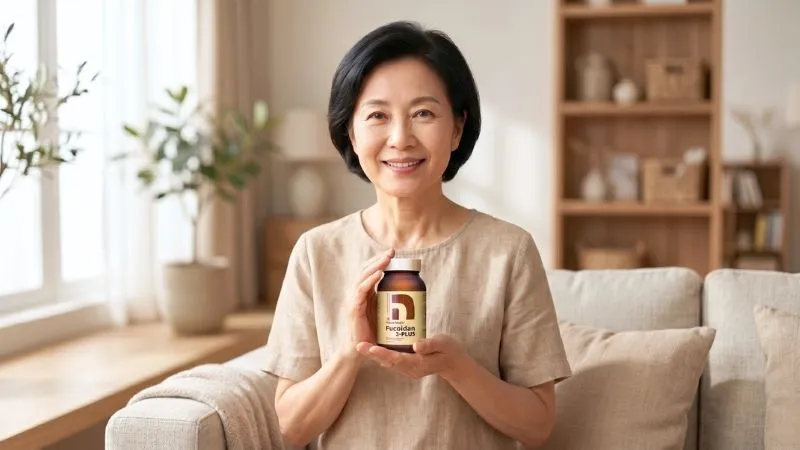
[Trending Netizen FAQ] Elderly Autumn/Winter Care and Fucoidan Maintenance Guide
Q1: Why is it necessary to also care for the gut (supplement probiotics) to boost elderly immunity?
This is a key point that is often overlooked. Up to 70% of the body’s immune cells are concentrated in the gut. The decline of gastrointestinal function in the elderly directly weakens the first line of immune defense. NatureMedic Fucoidan 3-PLUS capsules specially include probiotics and Agaricus blazei to first help seniors establish a healthy gut microecology, allowing for better absorption of Fucoidan’s high-molecular-weight polysaccharides, achieving a dual effect of activating the immune system from the inside out.
Q2: How long do seniors need to take Fucoidan continuously to build a complete autumn/winter protective shield?
There is currently insufficient evidence to establish a standardized intake timeline or course for fucoidan. However, an “80-day period (approx. 2.5 months)” can be used as a baseline for immune conditioning. Taking 2 capsules of NatureMedic Fucoidan 3-PLUS every morning on an empty stomach allows one 160-capsule bottle to cover the flu peak period from early autumn to late winter, providing continuous support.
Q3: If a senior is scheduled for a flu vaccine, when should they take Fucoidan?
It is recommended to start taking it daily “one month before” the scheduled vaccination to deeply warm up the immune system; please continue taking it regularly on the day of vaccination and afterward, which helps the body respond to the immune reaction more vigorously and stabilizes antibody production.
Q4: Can fucoidan prevent the flu or replace the flu vaccine?
Fucoidan should not be used as a substitute for the influenza vaccine. Current evidence is insufficient to prove that fucoidan can directly prevent flu infections or lower the risk of severe flu complications in seniors. If vaccination is not possible or if there are concerns, consult a physician to discuss medical reasons and viable options.
Q5: Can seniors with chronic illnesses or taking medications consume fucoidan?
Prior to consumption, seniors should have a doctor or pharmacist review the complete ingredient list alongside their current medications and health condition. Do not stop taking prescribed medications independently, and do not assume that spacing out supplements and medications will eliminate all potential interactions.
Q6: How should seniors adjust their diet to boost immunity?
Focus on a balanced diet containing adequate protein, fruits, vegetables, and water according to individual needs, accompanied by moderate activity and sufficient rest. If a senior experiences poor appetite, persistent weight loss, dietary restrictions due to disease, or suspected malnutrition, seek an evaluation from a doctor or dietitian. No single food item can guarantee flu prevention.
⚠️ Medical Disclaimer
The content of this article is for health information and reference purposes only and cannot replace professional medical diagnosis and advice. Every patient’s condition and physical state are different. If you have specific medical needs or plan to adjust your diet and supplements, please be sure to communicate fully with your attending physician first.
Citations from Authoritative Institutions & Peer-Reviewed Journals: To ensure the accuracy and professional value of information regarding senior flu prevention, seasonal vaccination, and nutritional support, the content of this article references international academic literature and clinical studies indexed by the World Health Organization (WHO), the Centre for Health Protection (CHP) HK, Sanatorium & Hospital Healthcare, and the PubMed database [1-4].
1. Seasonal Influenza Risks & Vaccination Guidelines
Research Topic: High-risk groups for seasonal flu infection, prevention of severe complications, and vaccination FAQs [1, 2].
Key Findings: Seniors and individuals with chronic conditions face a higher risk of severe flu complications. Public health authorities recommend annual seasonal flu vaccination for individuals aged 6 months and above, combined with personal hygiene practices to reduce complication risks [1, 2].
《2026-27 Seasonal Influenza Vaccination FAQs》
2. Dietary Protection & Immune Enhancement Guidance
Research Topic: Enhancing immune defenses through daily dietary management, food selection, and nutritional supplementation [3].
Key Findings: A balanced diet with adequate high-quality protein and essential vitamins is critical to consolidating immune system foundations. Personalized dietary adjustments and appropriate supplements are recommended for individuals with poor appetite or impaired absorption [3].
3. Clinical Trial on Fucoidan Enhancing Immune Response to Flu Vaccine in Elderly
Research Topic: Effects of Mekabu Fucoidan on immune biomarkers in nursing home residents following seasonal influenza vaccination [4].
Key Findings: A randomized, double-blind, placebo-controlled trial in Japan revealed that daily supplementation of 300 mg Mekabu Fucoidan increased antibody titers and Natural Killer (NK) cell activity post-vaccination in elderly subjects, serving as a nutritional aid to optimize vaccine immune response [4].
《Supplementation of elderly Japanese men and women with fucoidan from seaweed increases immune responses to seasonal influenza vaccination》
All literature cited on this page originates from authoritative international public health organizations (WHO, CHP), medical teams (HKSH), and peer-reviewed medical journals (indexed in PubMed). They serve to provide objective, scientifically grounded health education on flu prevention and nutrition, and do not replace professional diagnosis or treatment prescriptions by an attending physician [1-4].