(852) 5729 0686



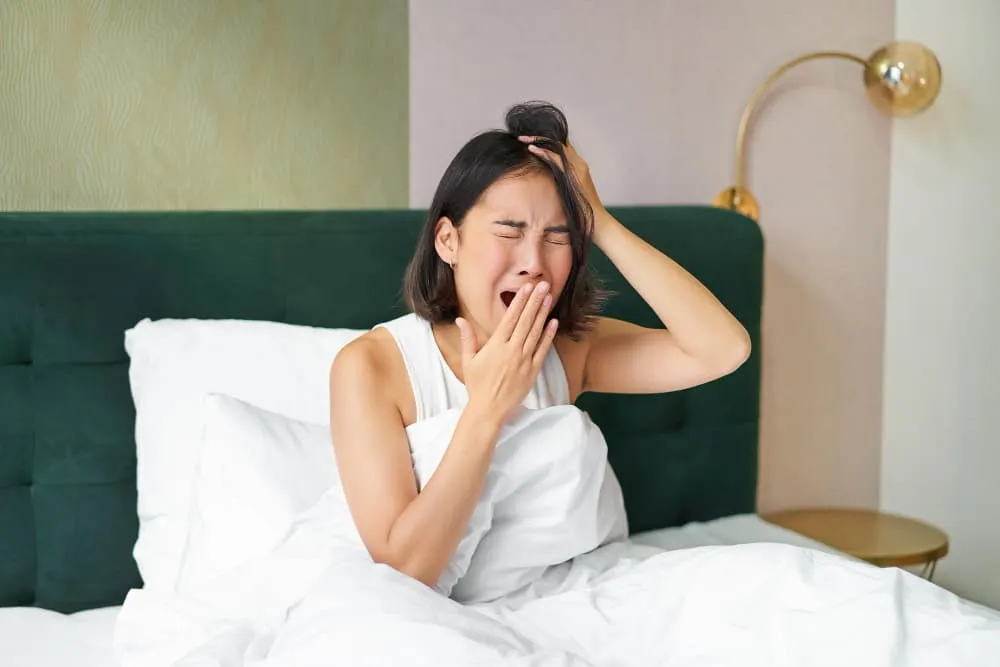
“I’m so tired.”
This phrase seems to be every woman’s mantra. Even after a full night’s sleep or a lazy weekend, that lingering fatigue often refuses to go away.
In fact, exhaustion that doesn’t improve after rest is not only linked to mental stress but also influenced by physical and immune regulation. Research shows that in different phases of the female physiological cycle, energy metabolism, stress responses, and immune adjustments fluctuate—affecting physical strength and recovery speed. [1 Source: Nature]
Why are women more prone to fatigue?
Reason 1: Hormonal fluctuations make energy rise and fall more sharply
The female body is regulated by cyclical changes in estrogen and progesterone. Estrogen promotes cell activity and brain function, while progesterone balances estrogen effects, supports pregnancy, and helps relieve anxiety. [2 Source: CUHK Communications and Public Relations Office] When hormone levels fluctuate, both energy metabolism and sleep quality are affected.
Typical signs include:
– Feeling tired before and after menstruation
– Sleep changes during menopause
– Increased emotional swings
Studies show that women entering menopause often experience slower physical recovery and reduced sleep quality due to declining estrogen levels. Daily supplements such as B vitamins, iron, and fucoidan can support energy metabolism and immune balance, helping the body stay stable through hormonal changes.

Reason 2: Hidden nutritional gaps lead to energy imbalance
Medical studies reveal that women face a long-term risk of iron loss due to menstrual cycles. Insufficient intake of protein or trace minerals can affect red blood cell production and energy metabolism, causing fatigue and weakness.
With age, digestive absorption also decreases—reduced protein and nutrient uptake can result in muscle loss and unstable immunity.
This explains why many women notice:
– Slower recovery from minor illnesses
– Extreme tiredness after staying up late
– Greater physical fatigue compared to men
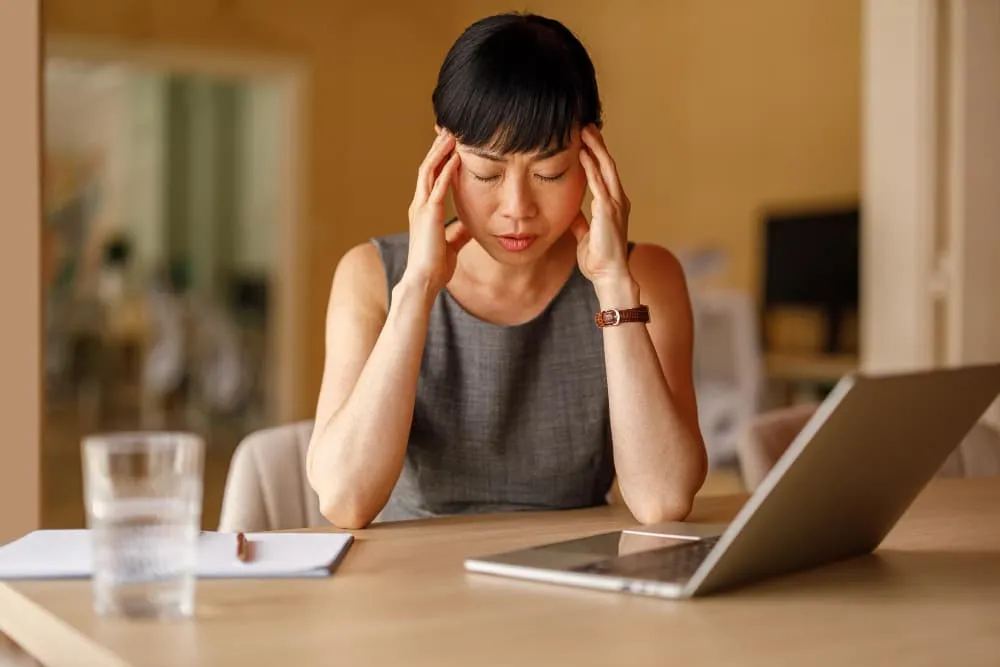
Reason 3: Chronic stress and immune exhaustion gradually drain energy
Long-term stress triggers the adrenal glands to release cortisol. When stress persists, elevated cortisol can interfere with immune balance and sleep rhythm, thereby reducing energy recovery. [3 Source: Asian Fund for Cancer Research]
Modern women often juggle multiple roles—professional achiever, family caretaker, emotional supporter. Continuous stress keeps the body in a high-alert state, forcing the immune system to remain overactive.
Results include:
– Poor sleep quality
– Weak digestion
– Overactive or suppressed immune responses
– Slower physical recovery
Such stress-related fatigue often brings mood swings and poor concentration, leading people to think they’re just “overworked,” when in fact the immune system is being over-taxed.
Reason 4: Women’s immune systems are more reactive
Research shows that women’s immune responses tend to be more active than men’s. This helps fight infections quickly but also makes the system more sensitive. [4 Source: MedSci]
When hormones fluctuate or stress accumulates, the immune system can become unstable, leading to:
– Inflammation
– Slow recovery
– Disrupted sleep quality
In other words, women’s immunity tends to be “strong in defense but slow in recovery,” making fatigue a common issue.
Rebuilding energy through daily health support
By combining insights about hormones, nutrition, and stress, we can see that female fatigue results from intertwined physiological and environmental factors.
Especially for midlife women, slowdown in recovery may signal imbalance in metabolism and immunity. Long-term daily care helps stabilize the body through:
– Consistent sleep routines
– Adequate protein intake
– Iron and micronutrient supplementation
– Immune balance support
Some women also choose high-purity fucoidan as part of their daily immune maintenance—it helps protect cells, regulate immunity, and reduce inflammation.

Frequently Asked Questions (FAQ)
Q1: If women feel fatigued easily, what dietary changes should they consider first?
Start by reviewing three key areas:
– Whether you are consuming sufficient daily protein (fish, tofu, eggs, chicken)
– Whether you include dark leafy greens for iron and folate
– Whether you are consistently restricting carbohydrates, leading to insufficient energy
Many women reduce food intake for weight control, but prolonged low-energy intake may actually worsen fatigue.
Q2: Do women need iron supplements?
Not necessarily.
It is often best to begin with dietary sources, such as:
– Spinach
– Red beans
– Black sesame seeds
– Egg yolks
– Seaweed
If blood tests indicate low iron levels, consult a healthcare professional about whether supplementation is appropriate.
Q3: How much protein does a mature woman need daily?
A general recommendation is approximately 1–1.2 grams of protein per kilogram of body weight per day.
For example, a 55 kg woman would need about 55–66 grams of protein daily.
It is best to distribute protein intake evenly across meals rather than consuming it all at once, to support absorption and utilization.
Q4: What eating habits can make women feel more fatigued?
Common patterns include:
– Long-term low-carbohydrate diets leading to insufficient energy
– Drinking coffee for breakfast without consuming protein
– Relying heavily on sugary foods for temporary energy boosts
– Inadequate water intake
These habits can cause greater blood sugar and energy fluctuations, making recovery slower.
Q5: Besides diet, what else can help stabilize energy levels?
– Maintaining regular sleep routines
– Engaging in moderate resistance training weekly
– Getting sunlight exposure to support vitamin D synthesis
– Maintaining gut microbiome balance
Reference:
[1] Nature – Menstrual cycle rhythmicity: metabolic patterns in healthy women
[3] Asian Fund for Cancer Research -《科學》子刊:壓力大睡不著免疫差,原來機制一樣的!科學家找到壓力誘發失眠和免疫變化的神經通路| 科學大發現
[4] Medsci-Nature – 为何女性免疫力更强?清华学者来揭秘!