(852) 5729 0686



✍️Content Writer: NatureMedic 3-PLUS Health Editorial Team丨📖References: HK Department of Health, PMC, etc.丨📅Last Updated: November 4, 2026
Navigating a Colorectal Cancer Diagnosis:
Colorectal cancer ranks as the second leading cause of cancer-related mortality in Hong Kong. While facing primary treatments like surgery, chemotherapy (FOLFOX/FOLFIRI), and targeted therapy, active adherence to medical protocols is crucial. Additionally, combining precise nutritional management with scientifically backed supplements (such as Fucoidan) can help alleviate chemotherapy side effects and improve physical resilience.
🌿 Breaking Down 3 Common Chemotherapy Side Effects & Coping Tips
Chemotherapy can irritate GI mucosa, causing nausea, diarrhea, and loss of appetite. Replenish fluids and electrolytes, eat small, frequent meals with bland, easily digestible high-protein foods, and consult doctors for anti-nausea medication.
Oxaliplatin-based regimens often cause numbness or tingling in hands and feet. Avoid direct contact with ice water or cold drinks, wear gloves when handling cold items, and inform your medical team if mobility is affected.
Treatments deplete energy and immunity. Strictly avoid raw or undercooked foods to prevent infection; fever (≥38°C) or chills are medical emergencies requiring immediate care.
🛡️ Triple-Blend Fucoidan: Research-Backed Nutritional Support
Ideal forcolorectal cancer patients, those undergoing chemotherapy or targeted therapy, and individuals recovering post-surgery who need to rebuild strength. “NatureMedic Fucoidan 3-PLUS” combines Okinawa Mozuku, Mekabu, and Bladderwrack: the **Liquid Type** is recommended for mid-to-late stage chemo or digestive distress for rapid absorption and relief; the **Capsule Type** is recommended for stable phases or long-term daily immune defense.
💡 Treatment & Medical Safety Tips
- Seek Immediate Care for Emergencies:If experiencing fever (≥38°C), severe diarrhea, or signs of infection, do not delay—contact your medical team or seek emergency care immediately.
- Supplement Usage Advice:It is recommended to take Fucoidan on an empty stomach. Maintain a 1 to 2-hour interval from prescription drugs or therapies, and always consult your attending physician before starting any supplements.
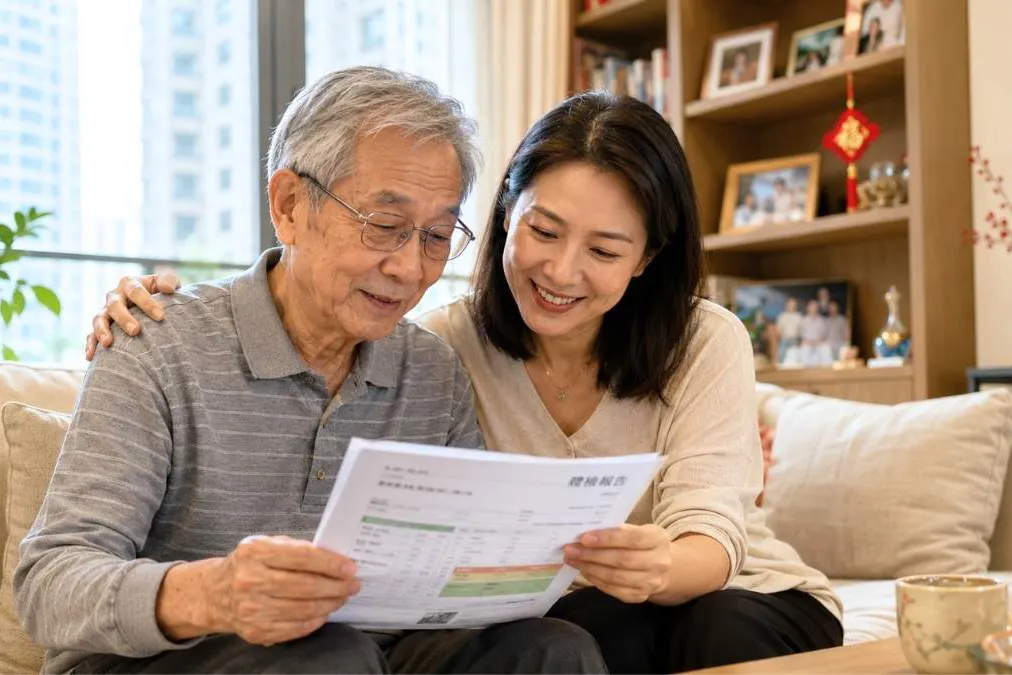
At the moment a doctor announces the diagnosis, many patients and their families may feel their minds go completely blank. Followed by deep confusion and anxiety about what comes next: What treatments will be necessary? How can chemotherapy side effects be managed? Which nutritional supplements genuinely help during the treatment process?
According to the latest data from the Department of Health and the Hospital Authority of Hong Kong, colorectal illness was the third most common disease in Hong Kong in 2023, with 5,467 new cases recorded—accounting for 14.4% of all new cases. In 2024, it ranked as the second leading cause of disease-related deaths locally. [1]
When facing abnormal colorectal cells, cooperating with the attending doctor’s standard Western medical treatment is absolutely the only top priority. In this prolonged battle, if families can understand the upcoming treatments early on and help build a solid physical foundation for the patient through premium health supplements backed by scientific evidence, it will greatly increase the chances of overcoming the severe illness.
⚠️ Medical Disclaimer: The health information provided in this article is for reference purposes only and should not replace professional medical diagnosis or personalized treatment advice. Do not stop, delay, or alter existing medical treatments on your own. Always consult your attending oncologist or medical team before taking any nutritional supplements.
What Is Colorectal illness? 3 Mainstream Medical Treatments
Colorectal illness refers to abnormal cellular growths occurring in the colon or rectum. Because abnormal cells can develop in various parts of the digestive tract, treatment plans vary based on the abnormal cell’s location, stage, spread, and the patient’s overall health.
In Hong Kong, doctors design personalized treatment plans based on imaging tests, pathology reports, blood work, and genetic testing. According to official screening initiative guidelines, standard treatment modalities include [2]:
Surgical Operation (Minimally Invasive or Traditional Open Surgery): This is the most direct and primary method for dealing with early or mid-stage abnormal intestinal cells, aiming to completely remove the abnormal tissue and surrounding lymph nodes as much as possible. After surgery, many families begin to search for suitable post-surgery health products to help the patient speed up their recovery.
Chemotherapy (e.g., FOLFOX or FOLFIRI Regimens): This is extremely common in Hong Kong. It is usually used as an adjuvant therapy after surgery, or as a first-line treatment for mid-to-late-stage patients, achieving the goal of abnormal cell suppression and disease control.
Targeted Therapy: This utilizes genetic testing to find specific weaknesses in abnormal cells for a “precision strike.” Targeted drugs are often combined with chemotherapy regimens to exert the maximum suppressive effect.
Know Yourself and Your Enemy: Common Pain Points of Anti-Illness Treatments and Chemotherapy Side Effects
While chemotherapy targets abnormal cells, it can also impact healthy cells. Side effects vary by individual, drug combination, dosage, and overall health status. If new or worsening symptoms occur during chemotherapy, keep a record of their timing, frequency, and severity, and seek medical support as needed.
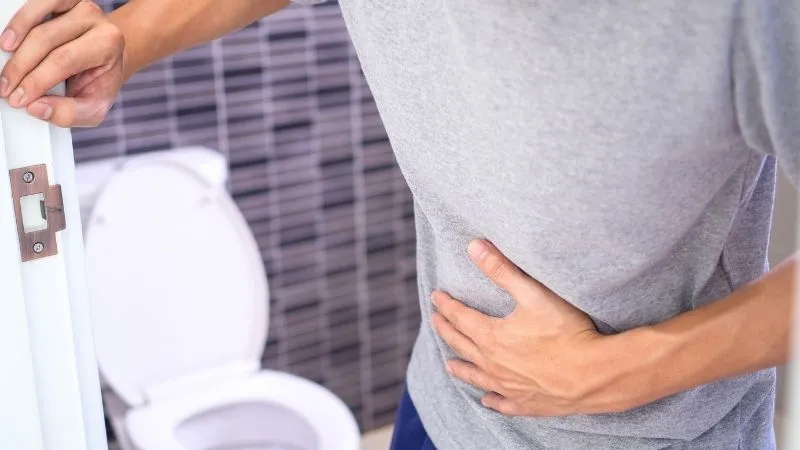
Severe Gastrointestinal Reactions: The medications can irritate and damage the fragile gastrointestinal mucosa, causing the patient to experience severe diarrhea, continuous nausea, and a complete loss of appetite. In cases of diarrhea or vomiting, focus on replenishing fluids and electrolytes. Ask your doctor for antiemetic or antidiarrheal medications, and choose bland, easily digestible foods.
Troublesome Neurotoxicity: Many patients report numbness and tingling sensations in the extremities, or even extreme sensitivity to cold air or contact with cold water. Patients are advised to avoid direct contact with ice water or cold drinks, and to wear gloves when opening the refrigerator or stepping outdoors in cool weather. If numbness interferes with walking or gripping objects, inform your oncologist to adjust medication dosages.
Extreme Fatigue and Dropping White Blood Cell Counts: The treatment process heavily consumes the body’s energy, causing the patient’s immunity to hit rock bottom and making them highly susceptible to external infections. Developing a fever (38°C / 100.4°F or higher), chills, or signs of infection is a medical emergency that requires
Precision Nutrition Strategies During Chemotherapy
The primary goal of nutrition during chemotherapy is to maintain adequate calories, protein, hydration, and electrolytes to prevent muscle loss and rapid weight drops. Key nutritional principles include:
Choose Easily Digestible, High-Protein Foods: Incorporate tofu, fish, poultry, eggs, or dairy products adjusted to individual digestive tolerance to aid tissue repair and maintain white blood cell counts.
Eat Small, Frequent Meals: Reduce gastrointestinal strain and make eating less overwhelming.
Maintain Daily Hydration: Support drug metabolism and prevent constipation with adequate fluid intake.
Strictly Avoid Raw or Undercooked Foods: Exclude sashimi, soft-boiled eggs, raw salads, unpeeled fruits, and unpasteurized cold treats. All food must be thoroughly cooked.
Manage Oral Mucositis: If mouth ulcers develop, opt for soft, room-temperature foods, while avoiding coarse, hard, acidic, spicy, or hot foods.
Why is “Fucoidan” Needed as a Supplement During Treatment?
Selecting high-quality, scientifically validated complementary health products helps restore physical strength, alleviate treatment discomfort, and empower patients to complete their full medical courses smoothly.
Fucoidan is a precious polysaccharide extracted from brown marine algae (such as Okinawa Mozuku, Mekabu, and Fucus vesiculosus). For colorectal treatments, Fucoidan has demonstrated two amazing scientific breakthroughs:
Mechanism 1: Inducing “Apoptosis” in Abnormal Cells and Suppressing Bad Cells
Modern medical research indicates that Fucoidan can send specific signals to abnormal colorectal cells (such as the common HCT116 abnormal cell line), precisely inducing these bad cells to undergo “apoptosis” (programmed cell death). This means it can prompt bad cells to initiate self-destruction, achieving an excellent bad cell suppression effect without harming normal, healthy cells. [3]
Mechanism 2: Significantly Reducing Toxicity from FOLFOX / FOLFIRI
This is crucial for patients currently undergoing treatment. Clinical reports focused on colorectal issues indicate that Fucoidan can effectively achieve chemotherapy side effect relief. It can reduce gastrointestinal discomfort and nerve numbness caused by FOLFOX or FOLFIRI, and significantly improve extreme fatigue, allowing patients to have enough stamina to complete their entire Western medical treatment regimen. [4]
How to Choose Fucoidan? A Japanese Original “Triple Formula” Precision Nutritional Strategy
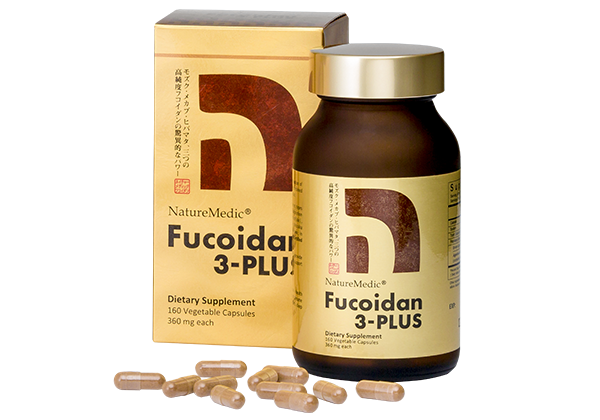
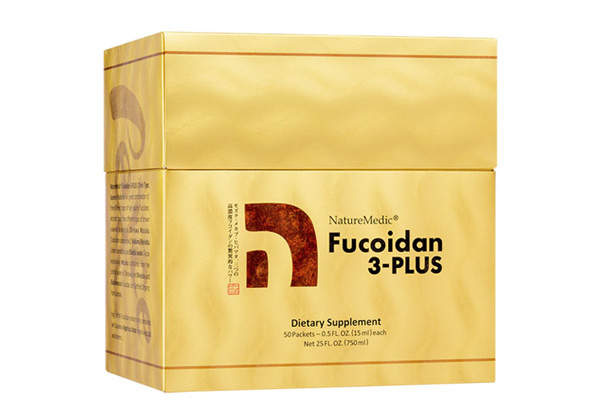
With numerous choices on the market, how do you select Fucoidan to maximize its efficacy? The key lies in a formula design with high purity and high concentration. NatureMedic Fucoidan 3-PLUS exclusively combines a triple formula of Okinawa Mozuku, Mekabu, and Fucus vesiculosus, offering two specialized product forms, making it one of the ideal choices among chemotherapy health products:
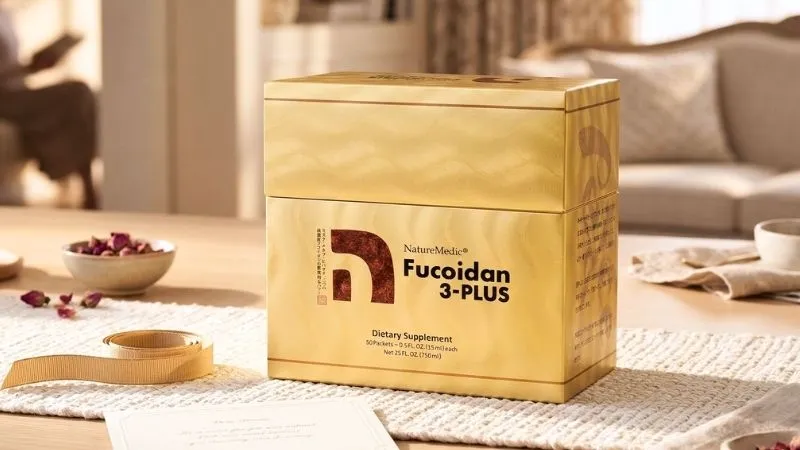
Rapid Absorption — Liquid Type:
If the patient is in the mid-to-late stages of chemotherapy and facing frequent diarrhea or difficulty swallowing, the liquid extract is the absolute top choice. Liquid molecules are extremely easy for a weakened body to absorb quickly, helping to repair the damaged gastrointestinal mucosa and rapidly replenishing high levels of immune support.
NatureMedic Fucoidan 3-PLUS (Liquid Type)
Specially designed for patients in mid-to-late stage chemotherapy, experiencing frequent diarrhea, loss of appetite, or swallowing difficulties. The liquid molecules are easily and rapidly absorbed by weakened bodies, helping repair damaged digestive mucosa and providing high-potency immune support.
- Rapid Absorption: Bypasses heavy digestion; ideal for weakened individuals or those with swallowing issues.
- Mucosa Repair Support: Tailored for digestive distress and physical recovery during chemotherapy.
Ideal for Mid-to-Late Chemo & Recovery Support
Long-Lasting Protection — Capsule Type:
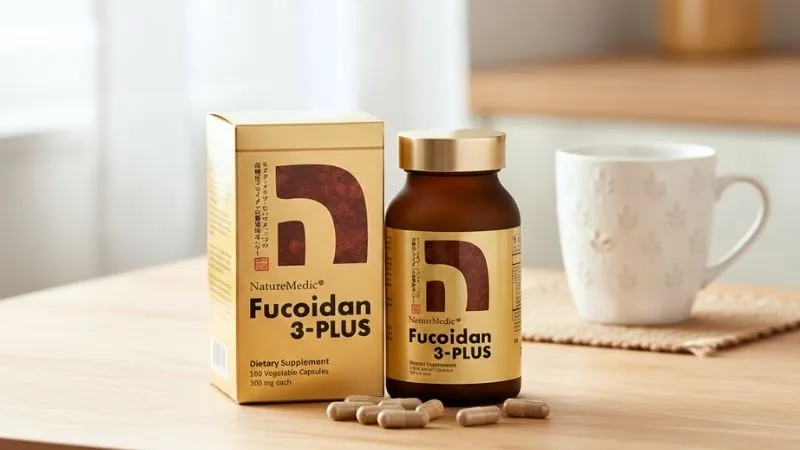
Tailored for patients who are recovering right after surgery, in the early stages of treatment, or have entered a stable period and need to maintain their immune defense long-term. The capsule type is easy to carry and allows for precise dosage control; it serves not only as a protective net during the anti-illness period but also as an excellent daily health supplement for middle-aged and elderly individuals.
NatureMedic Fucoidan 3-PLUS (Capsule Type)
Specially designed for patients recovering post-surgery, in the early stages of treatment, or entering a stable phase requiring long-term immune defense. Perfectly combines high-purity extracts from Okinawa Mozuku, Mekabu, and Bladderwrack to provide sustained, precise daily support.
- Precise Dosage Control: Convenient for travel, daily routine, and accurate intake.
- Comprehensive Protection: Ideal for stabilizing constitution and building long-term health resilience.
Ideal Choice for Long-Term Recovery & Wellness
Conclusion: Standard Treatment as the Mainstay, Nutritional Support as an Auxiliary
Being diagnosed with a severe colorectal illness is absolutely not the end of life. As long as you actively cooperate with the attending doctor’s treatment plan and add scientifically proven, original Japanese Fucoidan as a solid backing, there is absolutely a chance to turn danger into safety and re-embrace a healthy, peaceful life.
[Trending Netizen FAQ] Colorectal Treatment and Fucoidan Recommendation Guide
Q1: Is it normal for hands and feet to constantly feel numb and tingly during FOLFOX or FOLFIRI treatments?
This is a common “neurotoxicity” side effect of chemotherapy drugs that contain Oxaliplatin. It is recommended that patients focus on keeping their hands and feet warm during the treatment period, while also pairing this with natural nutritional products backed by scientific research to help soothe nerve discomfort.
Q2: Does Fucoidan have side effects? Is it safe? Is it suitable for long-term consumption?
Fucoidan is a high-quality dietary ingredient extracted from natural brown seaweeds rather than a synthetic drug, demonstrating high safety when taken at recommended dosages. It is suitable as a long-term nutritional supplement for seniors or individuals in recovery needing continuous physical support.
Q3: When is the best time to take Fucoidan? Can it be taken together with chemotherapy or targeted therapy drugs?
Absolutely, the two make a perfect pairing of “primary attack and auxiliary support.” It is recommended to take Fucoidan on an empty stomach (such as before breakfast and dinner) to achieve optimal absorption. To avoid affecting the efficacy of Western medications, you simply need to space out the consumption of Fucoidan and Western drugs by 1 to 2 hours.
Q4: Why does everyone emphasize “ingredient comparison” and “multiple formulas” when choosing Fucoidan?
The efficacy of a single seaweed extract often has its limitations. For instance, Okinawa Mozuku excels in inducing cell apoptosis, while Mekabu and Fucus vesiculosus have more advantages in suppressing metastasis and reducing inflammation. Therefore, choosing a multiple formula that combines these three (such as NatureMedic Fucoidan 3-PLUS) can create a synergistic effect, providing a more comprehensive and powerful protective network than a single ingredient.
Q5: The patient’s mood is very low after diagnosis; as a family member, what can I do?
The patient’s initial negative emotions are a very normal defense mechanism. The best support family members can provide is to “listen patiently.” You can proactively share the burden of searching for complex medical information, carefully prepare suitable low-residue diets, and provide auxiliary products like the liquid extract, using practical actions to let the patient know they are definitely not fighting alone.
⚠️ Medical Disclaimer
The content provided herein is for general health information purposes only and should not replace professional medical diagnosis, advice, or treatment. Chemotherapy responses vary significantly among individuals. If you experience emergency symptoms such as fever, severe vomiting or diarrhea, bleeding, or shortness of breath during treatment, contact your healthcare team immediately. Always consult your primary physician before making changes to your diet or adding dietary supplements.
To ensure the accuracy and academic value of educational information regarding colorectal cancer statistics, standard treatment protocols, cancer cell apoptosis mechanisms, and Fucoidan for chemo-toxicity reduction, the content of this article refers to authoritative sources including the HK Department of Health (CHP), Colorectal Cancer Screening Programme, and National Institutes of Health (NIH/PMC PubMed) [1-4].
1. Latest Colorectal Cancer Epidemiology Data in Hong Kong
Research Topic: Statistical analysis of colorectal cancer incidence, ranking, and mortality rates in Hong Kong [1].
Key Finding: Colorectal cancer is the 3rd most common cancer (5,467 new cases in 2023) and the 2nd leading cause of cancer deaths (2024 data) in Hong Kong, highlighting the necessity of early screening and treatment [1].
《Colorectal Cancer Statistics & Health Information》
2. Clinical Treatment Guidelines for Colorectal Cancer
Research Topic: Overview of primary treatment options including surgical resection, chemotherapy, and targeted therapies [2].
Key Finding: Personalized treatment strategies are established based on location and stage, combining surgery, chemotherapy (FOLFOX/FOLFIRI), and targeted agents as standard care [2].
《Understanding Colorectal Cancer Treatments》
3. Fucoidan Induces Apoptosis in Colon Cancer Cells
Research Topic: Molecular mechanisms of brown algae Fucoidan in triggering apoptotic pathways in human colon cancer cells (HCT116) [3].
Key Finding: In vitro research demonstrates that Fucoidan signals cancer cell self-destruction (apoptosis) and inhibits cell proliferation without harming healthy cells [3].
《Fucoidan present in brown algae induces apoptosis of human colon cancer cells》
4. Clinical Efficacy of Fucoidan in Reducing Chemotherapy Toxicities
Research Topic: Evaluation of Fucoidan supplementation in alleviating toxicities during FOLFOX or FOLFIRI regimens [4].
Key Finding: Clinical evidence indicates Fucoidan significantly reduces chemotherapy-induced gastrointestinal distress, neurotoxicity, and severe fatigue, supporting completion of medical treatment [4].
《Fucoidan reduces the toxicities of chemotherapy for patients with unresectable advanced or recurrent colorectal cancer》
🛡️ Medical Evidence & Quality Review Statement
All references cited on this page are sourced from public health agencies (HK CHP, Colorectal Cancer Screening Programme) and peer-reviewed biomedical databases (NIH / PMC PubMed). They are intended to provide objective, science-based health information and do not replace professional diagnosis or medical treatment [1-4].