(852) 5729 0686


✍️ Written by: NatureMedic 3-PLUS Health Feature Team 丨 📅 Last Updated: September 1 , 2026
First Chemotherapy Admission Check-list: Preparing for your first chemotherapy session requires calm, practical steps rather than panic buying. Key essentials include verifying medical protocols, bringing crucial documents, wearing loose warm clothing, using gentle personal care items, and preparing mental distractions. Combined with caregiver support and scientific nutritional conditioning, patients can navigate treatment with confidence.
📋 5 Steps to Prepare for Your First Chemotherapy Session
🤝 Caregiver Guidelines & Nutritional Support
Family members can act as consultation note-takers to record doctor instructions and offer low-pressure companionship. Under medical guidance, incorporating scientifically validated supplements (such as Fucoidan) prior to admission helps build physical stamina and alleviate severe fatigue.
💡 Essential Medical Reminders
- Consult Before Supplementing: Never start, stop, or modify vitamins or health supplements without disclosing full ingredients and dosages to your oncology team.
- Individualized Instructions: Dietary rules, fasting requirements, and fluid intake limits vary by treatment plan and personal health conditions. Always follow direct medical advice.
When learning that you or a beloved family member is about to face chemotherapy for the first time, feeling anxious, helpless, and lost is a completely normal reaction. When facing the unknown, the most practical approach is not buying every product available, but verifying reporting times, transportation arrangements, required documents, and medical team guidelines regarding diet, medication, and daily activities.
As long as you are fully prepared, you can significantly reduce initial anxiety.Below is a clear, practical, and reassuring “Pre-Chemo Precautions and Hospital Admission Checklist” tailored for chemotherapy beginners and their families. We suggest caregivers screenshot or print it out directly and follow it step-by-step to calmly face the upcoming challenges.
[Recommended to Screenshot and Save] Essential First Chemotherapy Admission Check-list
Step 1: Five Things to Confirm with the Hospital Before Admission
Arrangements vary depending on the type of illness,chemotherapy regimen, and treatment facility. Before packing, confirm the following with your doctor:
Reporting Time and Location: Confirm if it is a day infusion, inpatient stay, or requires visiting other departments first for blood draws or tests.
Fasting or Dietary Adjustments: Do not assume you must fast or eat before chemo; follow exact hospital instructions.
Estimated Duration of Treatment: Infusion times vary based on drug types, pre-medications, observation periods, and daily hospital workflows.
Medication Adjustments: Inform your doctor or pharmacist of all prescription/over-the-counter drugs, vitamins, herbal products, and supplements. Do not alter doses or stop taking medications on your own.
When to Contact the Care Team: Obtain written instructions and 24-hour emergency contacts before discharge or leaving the treatment center, and save them in your phone and an accessible place at home.
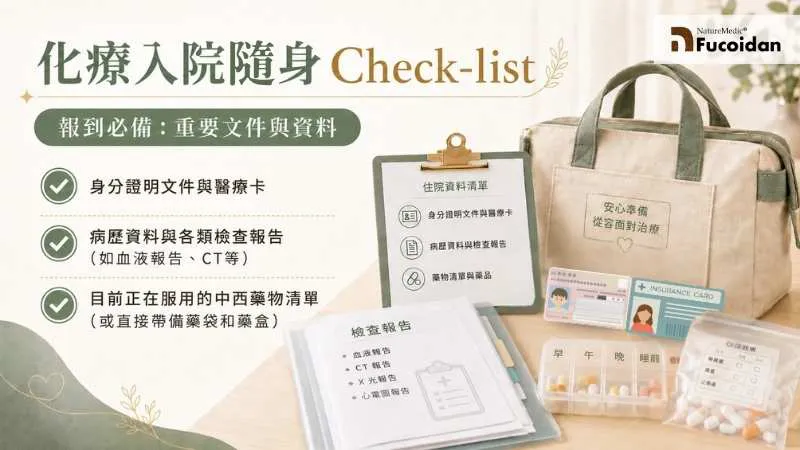
Step 2: Documents and Medication Details Required at Admission
Staying composed on admission day starts with keeping all essential documents and first-chemo items in one easy-to-reach binder:
[ ] Identification documents and medical cards
[ ] Hospital appointment or admission notices
[ ] Medical records and various test reports (such as blood test reports, CT scan images, etc.)
[ ] A list of current Western and Chinese medications being taken (or simply bring the medication bags and pillboxes)
[ ] Allergy records, surgical history, or major illness history
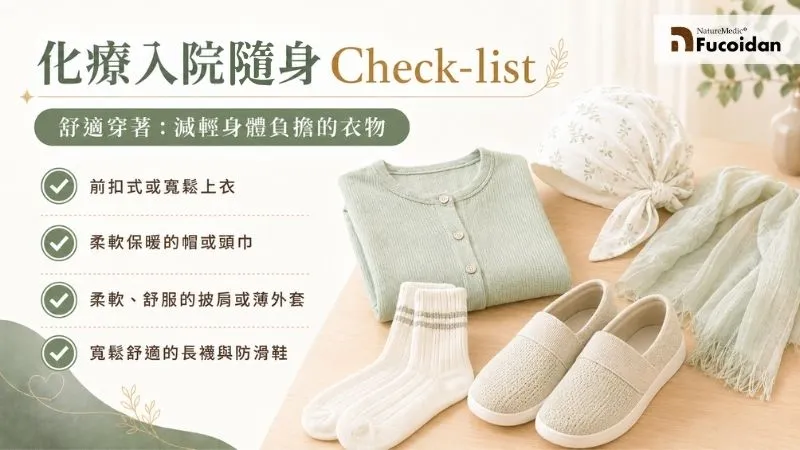
Step 3: Pack Loose, Warm, and Exam-Friendly Clothing
Hospital air conditioning is usually quite strong, and since injections may be required during the treatment, clothing choices should follow the ultimate principle of being “warm, loose, and easy to put on and take off”:
[ ] Front-button or loose-fitting tops (convenient for medical staff to examine and administer injections, avoiding pulling and discomfort when dressing)
[ ] Soft, warm hats or headscarves
[ ] Skin-friendly shawls or light jackets (as hospital air conditioning is usually strong)
[ ] Comfortable, soft elastic-waist pants
[ ] Loose, comfortable socks and slip-resistant shoes
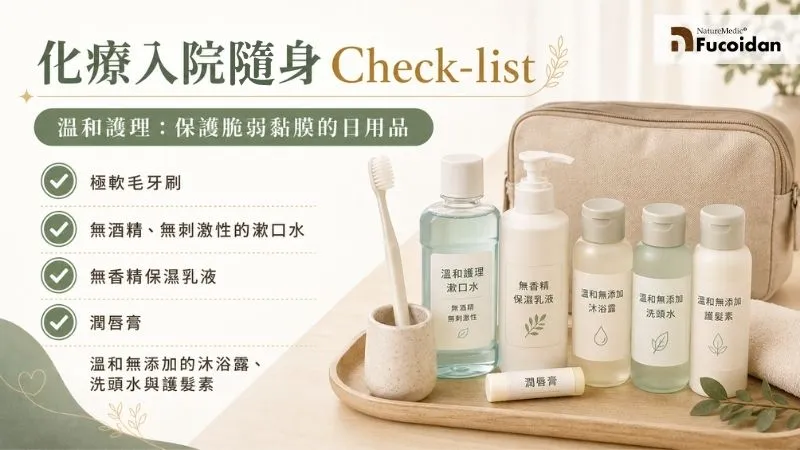
Step 4: Prepare Mild, Simple Personal Care Items
Treatment can cause dry mouth, oral ulcers, gum discomfort, dry skin, or mucous membrane issues. Personal care items should focus on comfort, simple ingredients, and non-irritating formulas:
[ ] Extra-soft bristle toothbrush
[ ] Alcohol-free, non-irritating mouthwash
[ ] Fragrance-free moisturizing lotion (to soothe dry skin at any time)
[ ] Lip balm
[ ] Gentle, additive-free body wash, shampoo, and conditioner
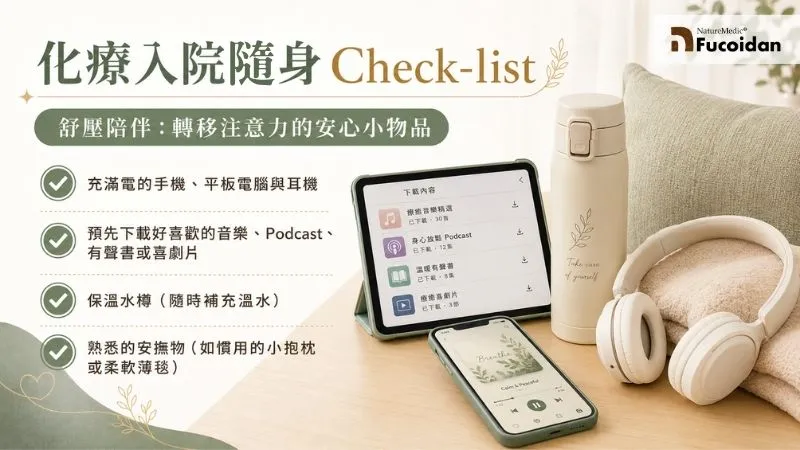
Step 5: Distraction and Relaxation Items During Waiting Periods
The chemotherapy process may take several hours; preparing some small items that can shift attention and bring a sense of security will make the time pass faster and more relaxingly:
[ ] Fully charged mobile phone, tablet, and earphones
[ ] Pre-downloaded favorite music, podcasts, audiobooks, or comedies
[ ] Thermos flask (to replenish warm water at any time)
[ ] Familiar comforting items (such as a customary small throw pillow or a soft light blanket)
Practical Tips for Caregivers: Becoming the Ultimate Teammate
Accompanying a patient is a protracted battle, and the stability and support of family members are crucial. Besides assisting in preparing supplies, you can become the patient’s most reassuring pillar through the following concrete actions:
• Prepare a dedicated “Consultation Notebook”: Faced with vast and complex medical information, it is extremely easy for patients to draw a blank or feel panicked in the moment. We suggest that family members act as the “recorder” during each outpatient visit, meticulously noting down the doctor’s key instructions, medication details, and the next follow-up date, which can significantly reduce the patient’s memory burden and anxiety.
• Prepare nutritional backing in advance: To help your loved one combat unknown chemotherapy side effects and achieve effective soothing, it is recommended to select internationally scientifically certifiedchemotherapy health foods or anti-severe-illness health products early on before admission. By establishing a solid foundation for the body in advance through high-quality daily health conditioning and nutritional supplements, you can substantially alleviate the extreme fatigue that frequently occurs during treatments.
• Establish “stress-free” companionship: Avoid excessive concern or frequently asking, “Are you feeling any better?”. Often, quietly pouring a glass of warm water, sitting beside them watching a relaxing TV drama or movie, or softly saying, “Tell me anytime whatever you want to eat,” is the most comforting force.
Frequently Asked Questions (FAQ) About First Chemo Preparation
Q1: What should I bring for my first chemotherapy session?
Generally, bring ID/medical documents, a current medication list, loose clothing for easy exams, warm layers, and a phone with charging devices. Specific needs depend on hospital instructions.
Q2: Can I eat on the day of chemotherapy?
It varies. Whether you need to fast or adjust your diet depends on your specific regimen, same-day tests, and hospital protocols. Confirm directly with the hospital rather than relying on others’ experiences.
Q3: Can I bring a water bottle to the chemotherapy center?
Usually yes, but fluid intake limits depend on medical team guidelines—especially if you have heart, kidney, or other conditions. Check with your doctor or nurse first.
Q4: Can I take vitamins or health supplements on my own?
Do not start, stop, or change supplements without informing your doctor or pharmacist. Provide the full product name, ingredients, dosage, and frequency so the care team can evaluate suitability.
Q5: What is the most important job for family members accompanying a patient?
Caregivers can organize documents and medication lists, record medical instructions, confirm transport and follow-up plans, and offer quiet companionship. Treatment decisions should always be made jointly by the patient and medical team.
Q6: How long does the first chemotherapy session usually take?
Duration varies based on specific drugs, pre-medications, blood test results, infusion speeds, and observation protocols. Ask the treatment center about the expected schedule and keep your schedule flexible.
NatureMedic: Always by Your Side
On the long journey of facing a severe illness, you and your family never need to bear it alone. We hope this checklist can outline a clear direction for your response, making every step you take more grounded.
We deeply understand that this path to regaining health is filled with various challenges and uncertainties. If you feel lost during the process of preparing for your treatment, or if you have any questions about how to choose safe, high-quality health products, feel free to contact our team at any time. We will provide you with our most sincere advice and accompany you safely through this valley.
⚠️ Medical Disclaimer
This content is compiled by a healthcare team for general care and preparation reference only. Please strictly follow the instructions of your attending physician and medical team for treatment plans, medication adjustments, and dietary limits.
To learn more about NatureMedic Fucoidan 3-PLUS ingredients and details, please visit our product information page.
Made in Japan · Free Doorstep Delivery
NatureMedic Fucoidan 3-PLUS Sample Pack
(Capsule & Liquid Trial Kit)
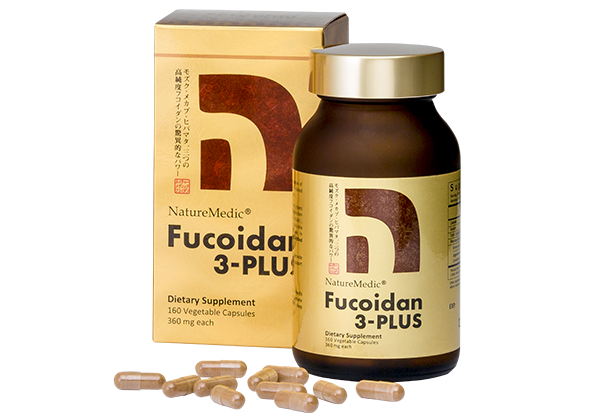
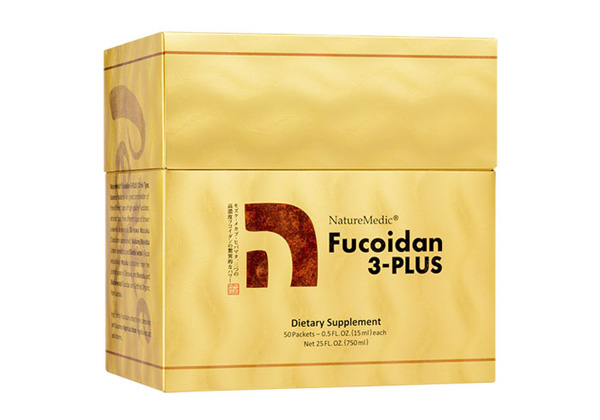
Formulated specifically for individuals undergoing chemotherapy, radiation therapy, experiencing severe fatigue, or seeking immune defence support. Featuring an exclusive synergy of three high-purity Fucoidan extracts (Mozuku, Mekabu, and Fucus) combined with premium probiotics.
* Limit one trial pack per household. Please consult your physician if you have specific medical conditions.