(852) 5729 0686



✍️Written by: NatureMedic 3-PLUS Health Editorial Team 丨 📖References: American Cancer Society (ACS), Macmillan Cancer Support, etc. 丨 📅Last Updated: November 18, 2026
Chemotherapy Appetite Loss Is Not Picky Eating:
Chemotherapy and targeted therapies affect rapidly dividing cells in the oral mucosa, taste buds, and digestive tract—triggering heightened smell sensitivity, a bitter metallic taste, and profound fatigue. Caregivers should avoid forcing meals and instead apply 5 practical nutrition strategies (such as small frequent meals, room-temperature foods, and liquid nourishment) alongside fast-absorbing nutritional support like Fucoidan Liquid to maintain strength without mealtime stress.
🌿 5 Caregiver Strategies to Overcome Chemotherapy Eating Challenges
Replace three large meals with small, easy-to-eat portions every 2–3 hours to accumulate calories and protein gradually, prioritizing higher-calorie foods when appetite peaks (often in the morning).
Hot food aromas often trigger nausea. Serving cool or room-temperature meals minimizes odor diffusion; if mouth sores are present, avoid hot, spicy, acidic, overly salty, or rough foods.
Rinse the mouth before eating and switch to ceramic, wood, bamboo, or plastic utensils. Temporarily swap red meat for chicken, fish, eggs, tofu, or legumes, and marinate meats with lemon juice or tomato.
When chewing fatigue or swallowing discomfort sets in, blend nutrient-dense ingredients (leafy greens and quality proteins) into creamy soups, smoothies, or shakes to ease digestion.
Avoid constant urging or scolding, which deepens food aversion. Offer small choices, foster a relaxed atmosphere with music or conversation, and consult a registered dietitian if needed.
🛡️ Targeted Deep Nutritional Support: Liquid vs. Capsule Fucoidan
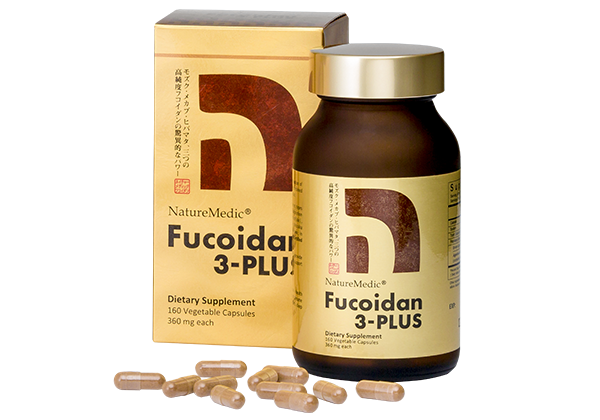
NatureMedic Fucoidan 3-PLUS combines three potent marine extracts: Okinawa Mozuku, Mekabu, and Fucus. For patients in mid-to-late treatment experiencing swallowing difficulties, nausea, or severe fatigue, the Liquid Type is ideal—its liquid molecules absorb rapidly via mucosal membranes without heavy digestion, while its mildly tart flavor helps soothe nausea. For early-stage treatment, stable phases, or long-term recovery maintenance, the Capsule Type offers portable convenience and precise dosing.
⚠️ Medical Red Flags & Supplement Safety Guidelines
- When to Seek Immediate Medical Care: Contact your oncology team immediately if the patient experiences persistent vomiting with inability to keep fluids down, signs of dehydration (dry mouth, minimal urination, dizziness), rapid weight loss, fever, or worsening mouth ulcers.
- Professional Consultation First: Dietary supplements are supportive and never replace standard medical treatment. Always consult your attending physician or clinical dietitian to review blood counts and current medications before starting any supplement.
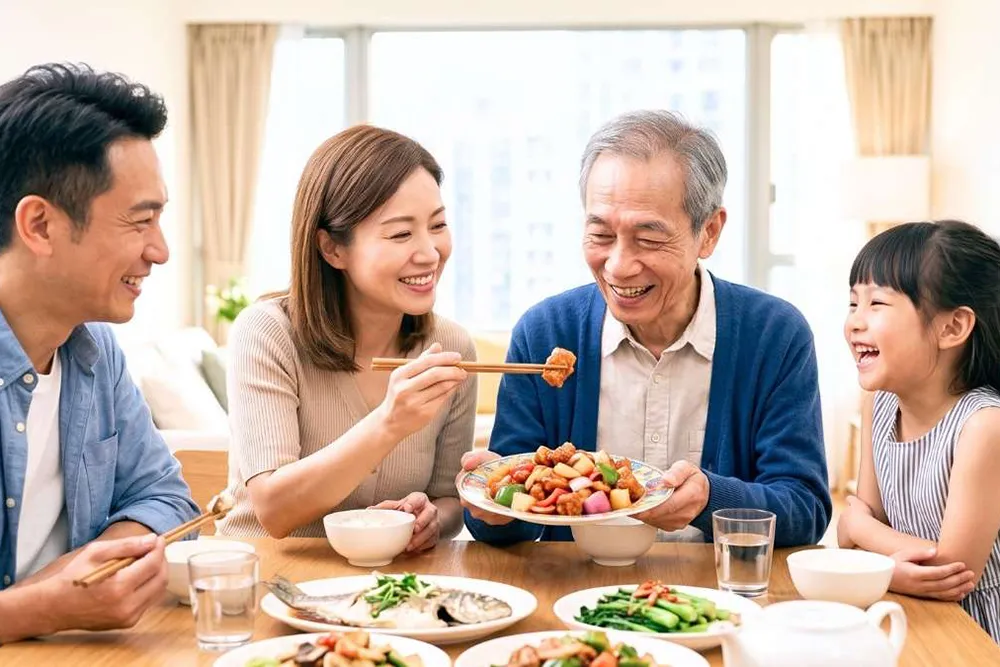
“You have to eat to have the strength to fight!” This is a phrase many caregivers repeat daily, yet it is often filled with helplessness. Watching family members face a table full of carefully prepared meals but feeling nauseous and unable to eat, the psychological pressure on caregivers is actually as heavy as it is for the patients.
This “inability to eat” and “extreme fatigue” are not the patient throwing a tantrum, but unavoidable side effects of the treatment. This article will share how to help your loved ones smoothly get through this most difficult stage by changing dietary strategies and choosing highly absorbable liquid nutritional support.
Why Do Treatments Cause Loss of Appetite and Extreme Fatigue?
While chemotherapy and targeted drugs attack abnormal cells in the body, they also indiscriminately affect fast-growing normal cells, bearing the brunt of which are the oral mucosa, taste buds, and gastrointestinal tract. This causes patients to become extremely sensitive to smells or even feel that food has a bitter, metallic taste, leading to severe nausea. [1]
Furthermore, a fierce immune battle is taking place in the body, and the liver needs to expend a massive amount of energy to metabolize drug toxins. This systemic state of chronic inflammation causes the patient’s physical strength to drain rapidly, producing an extreme fatigue where “even chewing feels exhausting”.
Common Eating Difficulties During Chemotherapy:
Loss of Appetite: Feeling full just looking at food; total lack of desire to eat.
Olfactory Sensitivity: Feeling nauseous upon smelling hot meal vapors.
Altered Sense of Taste: Perceiving food as bitter, rusty, or metallic.
Oral Discomfort: Dry mouth, painful mouth sores, or burning sensations when swallowing.
Physical Exhaustion: Too fatigued to chew or swallow solid food.
Rapid Weight Loss: Significant weight drop and muscle wasting over a short period.
What to Do When Patients Can’t Eat After Chemotherapy? 5 Tips for Caregivers
1. Small, Frequent Meals—No Need to Force a Full Plate
Instead of expecting the patient to finish large meals, switch from three standard meals to small, easy-to-eat portions every 2 to 3 hours. The focus is not on “eating a lot per meal,” but rather “accumulating sufficient calories and protein throughout the day.” If the patient has a better appetite in the morning, schedule their largest meal then without being rigid about traditional meal times. [2]
2. Reduce Odor Triggers; Choose Room-Temperature or Chilled Foods
When chemotherapy or radiation alters smell and taste or induces nausea, the strong steam emitted by hot food often worsens discomfort. Switching to cold or room-temperature foods significantly reduces the spread of food aromas, helping patients eat more smoothly to maintain nutrition. [2]
Note: If the patient has mouth ulcers, avoid foods that are excessively hot, acidic, spicy, salty, or coarse to prevent oral irritation.
3. Adjust for Metallic or Bitter Tastes Based on Individual Reactions
Experiencing a metallic or rusty taste is a very common side effect of chemotherapy, but this taste alteration is usually temporary and gradually resolves within weeks to months after treatment ends. During this transition period, caregivers and patients can try: [2]
• Brushing teeth or rinsing the mouth before eating.
• Switching to ceramic, wooden, bamboo, or plastic utensils.
• Temporarily reducing red meat and opting for chicken, fish, eggs, tofu, or lentils.
• Marinating meats with lemon juice, tomatoes, or sauces to make flavors more palatable.
• Trying fresh fruits, sugar-free sour candies, or refreshing beverages.
4. Transition from Solids to Liquids or Semi-Liquids
When patients struggle with solid food due to fatigue, dry mouth, or swallowing discomfort, high-nutrient ingredients (such as dark leafy greens and quality proteins) can be blended into dense soups, juices, or smoothies. Allowing patients to consume their required calories via liquids reduces the workload on the digestive system. [2]
5. Don’t Turn Mealtime into a Source of Stress
Seeing a loved one eat very little often leads caregivers to coax or urge them to eat, but repeated prompting or criticism can turn mealtime into a conflict. Offer small choices, accompany patients when they feel comfortable eating, and express care through chatting or listening to music rather than turning every interaction into a discussion about how much they eat. The ACS also reminds caregivers to avoid letting appetite issues become arguments and to seek guidance from a dietitian. [3]
⚠️ When to Seek Immediate Medical Help?
If the patient experiences persistent vomiting with an inability to retain liquids, clear signs of dehydration (dry mouth, minimal urine output, dizziness), rapid weight drop over a short timeframe, fever, or worsening mouth sores, contact the primary physician or healthcare team immediately.

When Daily Meals Aren’t Enough: Precise Deep-Level Nutritional Support
When swallowing difficulties, fatigue, or poor appetite make it hard to get adequate nutrition from regular meals, you can discuss nutritional supplements with the primary physician to provide precise, low-burden deep-level repair.
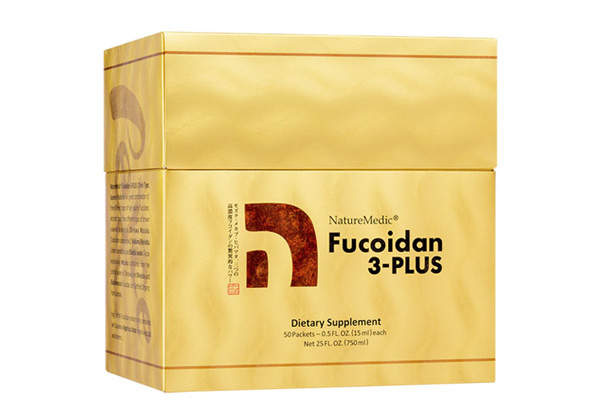
TakingNatureMedic Fucoidan 3-PLUS Liquid (formulated specifically for critical health care) as an example, its design considers the unique physiological state of chemotherapy patients:
Rapid Absorption: Without needing to go through complex digestive breakdown, liquid molecules can rapidly permeate and be absorbed through the mucous membranes, quickly replenishing crucial nutrients and energy for starved cells.
Friendly Taste: The unique, slightly tart, and refreshing taste can gently soothe nausea, allowing patients to drink it smoothly without any pressure, and it will not induce a fear of eating.
Multiple Repair Synergy: Breaking through the limitations of single ingredients, it perfectly combines the powerful repair capabilities of Okinawa Mozuku, the defensive strength of Mekabu, and the antioxidant properties of Bladderwrack. This meticulously developed multi-source formula can rapidly regulate the inflammatory microenvironment when the body urgently needs energy, assisting normal cells in building a protective shield against drug toxicity.
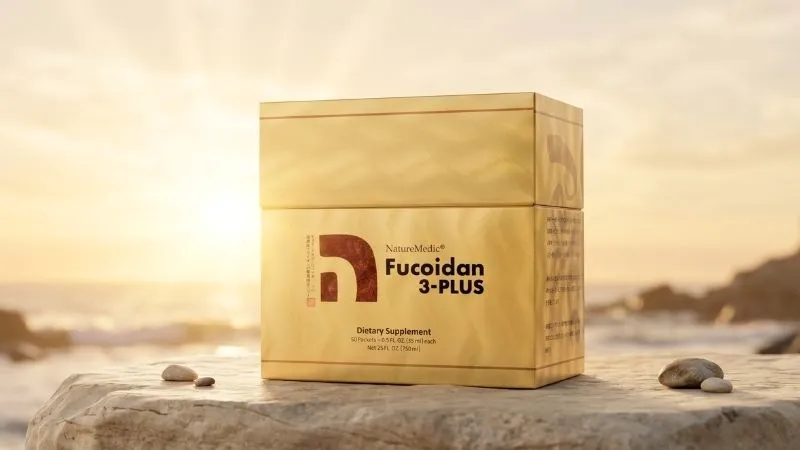
💡 Professional Tip: Supplements are supportive in nature and cannot replace standard treatments. Before taking any health supplement, consult the primary physician or a clinical dietitian to comprehensively evaluate blood panel data and current medications.
[Caregiver FAQ]
Q1: The patient says they really have absolutely no desire to eat. Should I force them?
Never force them. Forced eating will significantly increase the patient’s psychological stress and may even trigger more severe gag reflexes, leading to a fear of food. Instead, it is recommended to “concentrate the nutrition” by utilizing high-nutrient-density liquid drinks or liquid concentrated essences. This allows them to quickly replenish their strength without pressure during brief windows when their spirit and appetite slightly improve.
Q2: The patient complains that drinking water or eating food has a “rusty” metallic taste. What should we do?
This is a common phenomenon of treatments damaging the taste buds. It is recommended to temporarily avoid red meat, which can easily have a gamey smell, and switch to fresh chicken or beans as a source of premium protein. Additionally, before eating, they can rinse their mouths with light lemon water or tea, and completely switch to non-metal utensils (such as wooden, ceramic, or safe plastic tableware) to serve food, which can effectively reduce the annoying metallic taste.
Q3: There are capsule and liquid extract forms of Fucoidan on the market. How should I choose for my family member?
This depends entirely on the patient’s current physical condition and needs. If the patient is in the mid-to-late stages of treatment, experiencing difficulty swallowing, poor appetite, and extreme fatigue, the liquid extract is absolutely the first choice because its absorption speed is the fastest, and its slightly tart taste can soothe nausea. If the patient is in the early-to-mid stages of treatment, is relatively stable, or is looking for long-term maintenance during the recovery period, they can choose the capsule form, which is convenient to carry and allows for precise dosage control.
If you are interested in the product, you can apply for a free sample booklet here: ⬇️
A Final Note for Caregivers
When caring for a family member undergoing chemotherapy, the goal is not to force them to “finish a full bowl of rice,” but to help them replenish adequate calories, protein, and fluids in small portions with minimal stress within their body’s capacity. If symptoms persist or worsen, consult the primary physician early to discuss additional support options.
⚠️ Medical Disclaimer
The content provided herein is for general health information purposes only and should not replace professional medical diagnosis, advice, or treatment. Chemotherapy responses vary significantly among individuals. If you experience emergency symptoms such as fever, severe vomiting or diarrhea, bleeding, or shortness of breath during treatment, contact your healthcare team immediately. Always consult your primary physician before making changes to your diet or adding dietary supplements.
Authoritative Oncology & Nutrition Guidelines Cited:
To ensure the clinical accuracy and educational value of information regarding chemotherapy-induced eating difficulties, taste and smell alterations, small-frequent-meal strategies, and caregiver support, this article references guidelines from Macmillan Cancer Support and the American Cancer Society (ACS) [1-3].
1. Clinical Mechanisms of Chemotherapy-Induced Eating Problems & Taste Changes
Topic: Impact of chemotherapy agents on rapidly dividing healthy cells in the oral mucosa, taste buds, and gastrointestinal tract [1].
Key Findings: While targeting abnormal cells, chemotherapy temporarily affects oral and digestive linings, leading to nausea, dry mouth, mouth ulcers, and heightened sensitivity to food odors or bitter flavors [1].
“Side effects of chemotherapy: Eating problems and taste changes“
2. Dietary Adjustments for Metallic Taste & Odor Sensitivity
Topic: Practical interventions for alleviating treatment-related metallic taste and hot-food aroma nausea [2].
Key Findings: Serving cold or room-temperature foods reduces odor diffusion; rinsing before meals, using non-metallic utensils (ceramic, wood, bamboo, or plastic), and substituting red meat with poultry, fish, eggs, or legumes marinated in lemon or tomato improves palatability [2].
“Taste and Smell Changes During Cancer Treatment“
3. Managing Poor Appetite & Caregiver Communication During Cancer Treatment
Topic: Calorie-accumulation protocols, liquid nutrition alternatives, and pressure-free mealtime environments during active treatment [3].
Key Findings: Eating small meals every 2–3 hours and utilizing nutrient-dense liquids helps maintain energy without overwhelm; caregivers are advised to avoid turning appetite loss into mealtime conflict and to consult a registered dietitian [3].
“Managing Poor Appetite During Cancer Treatment“
🛡️ Medical Evidence & Quality Review Statement
All references cited on this page are sourced from internationally recognized cancer support and research organizations (Macmillan Cancer Support and the American Cancer Society) to provide objective, evidence-based nutritional and caregiving guidance. This content does not replace professional medical diagnosis or prescriptions from your attending physician [1-3].