(852) 5729 0686


Post-Chemo/Radiotherapy Recovery & Long-Term Care Guide: The end of treatment marks the beginning of body reconstruction, not instant recovery. Addressing common issues like fatigue, poor appetite, digestive sensitivity, sleep disturbances, and weakened immunity requires structured daily routines, gut care, and dietary support like Fucoidan.
🌿 5 Common Recovery Signals & Actionable Strategies
🛡️ Target Audience & When to Seek Medical Advice
Ideal for individuals in post-chemo/radiotherapy recovery, those experiencing fatigue or poor appetite, sensitive stomach, and patients seeking long-term immune support. Consult your oncologist if symptoms persist over 3 months, worsen, or lead to rapid weight loss.
💡 Product Selection & Precautions
- Form Selection: Choose Capsules for early/mid-stage maintenance or daily care; opt for Liquid Extracts for severe side effects, weakness, or swallowing difficulty.
- Safety Note: Individuals with iodine sensitivity, thyroid conditions, bleeding disorders, or taking anticoagulants should consult a doctor before taking concentrated Fucoidan supplements.
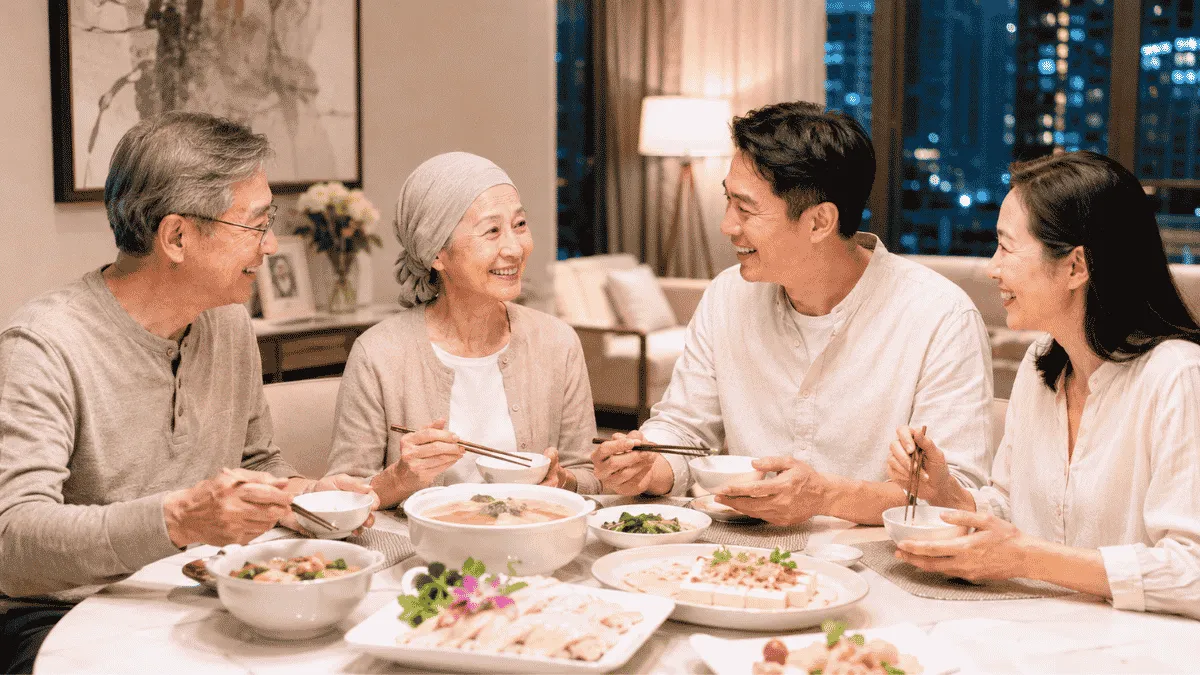
Many patients and families often believe that the completion of chemotherapy and radiotherapy marks the beginning of full recovery. However, in clinical practice, the challenges during the restoration phase are often more noticeable than those during the treatment process itself.
A slow return of strength, persistent fatigue, poor appetite, reduced sleep quality, frequent colds, and recurring digestive discomfort are all quite common during the recovery phase. These signs do not necessarily mean that your recovery is going backward; rather, they often reflect that the body is still actively pacing itself through adjustments and repairs. In this article, we will take a practical approach to help you decode common recovery-phase signals and provide actionable daily conditioning strategies to help you step-by-step regain your health.
Why Is Physical Recovery Slower Than Expected After Chemotherapy?
This actually reflects that the body is still undergoing cellular repair and immune system reconstruction. According to Research UK, post-chemotherapy fatigue can last from weeks to months, primarily due to: [1]
• Increased cellular turnover demands: Treatments affect some healthy cells, and the body requires extra energy to replace the old with the new.
• Greater tissue repair workload: Damaged tissues need substantial amounts of protein and trace elements for reconstruction.
• Active inflammatory signaling: The body’s immune system remains on high alert, continuously consuming stamina.
• Immune system rebalancing: White blood cell counts may fluctuate, and the immune defense line takes time to rebuild.
• Gut microbiome instability:Treatments often disrupt the intestinal microecology, directly affecting nutrient absorption and overall vitality.
Even after a treatment course is completed, these regulatory and repair mechanisms will continue for some time. Therefore, the feeling of “Treatment is over, but I still don’t feel like myself” is actually very common. At this stage, what the body needs most is “time” and “proper nutritional support,” rather than rushing the process.
5 Common Physical Signs During Recovery: Which Ones Need Special Attention?
Understanding body signals can help reduce unnecessary anxiety. The following conditions are quite widespread during recovery; however, if symptoms persist for more than 3 months or worsen, a follow-up evaluation is recommended:
1. Reduced concentration, easy fatigue, and a noticeable drop in stamina:
Even with adequate sleep, you may often feel generalized weakness. This is because the body consumes a massive amount of vitality and energy when fighting severe illnesses and undergoing treatments, leading to “deep post-treatment fatigue.”Research shows that 39% to over 90% of patients experience significant fatigue during treatment. [2]
When to See a Doctor: If fatigue is accompanied by fever (>38°C), shortness of breath, or an inability to perform daily activities, seek medical evaluation immediately.
2. Fluctuating appetite and reduced tolerance for food quantity or richness:
Your sense of taste may change, making previously favorite foods seem bland, and eating even a little can cause bloating.
Conditioning Tip: Try small, frequent meals (5–6 times daily), prioritizing bland and easily digestible foods.
3. More sensitive digestion (bloating, slower digestion, or changes in bowel regularity):
The intestinal mucosa is repairing, and the secretion of digestive enzymes is unstable, easily leading to constipation or mild diarrhea.Studies indicate that post-chemotherapy gut microbiota dysbiosis can last 3–6 months. [3]
When to See a Doctor: If diarrhea occurs more than 5 times a day, is accompanied by bloody stools, or severe abdominal pain, consult your doctor immediately.
4. Unstable sleep quality and frequent waking:
The body’s inflammatory responses or psychological stress often interrupt deep sleep cycles. Some patients may experience symptoms related to “chemo brain,” including memory decline and sleep disturbances. [4]
Conditioning Tip: Establish a regular routine, avoid electronic devices before bed, and consider warm foot baths or light stretching.
5. Lowered resistance and getting sick more easily:
The defense network is not yet fully stabilized, making you more sensitive to temperature changes and external pathogens. According to NCI guidelines, infection risk remains higher than average within 3 months post-chemotherapy. [5]
When to See a Doctor: If you experience fever, sore throat, cough lasting over 3 days, or any signs of infection, seek medical evaluation immediately.
Important Note: If the above symptoms are short-term fluctuations (<2 weeks), they mostly belong to the natural recovery adjustment process and can be gradually improved through steady conditioning. However, if they persist for more than 3 months, worsen, or present with other abnormalities (such as rapid weight loss or night sweats), be sure to consult your doctor for evaluation.
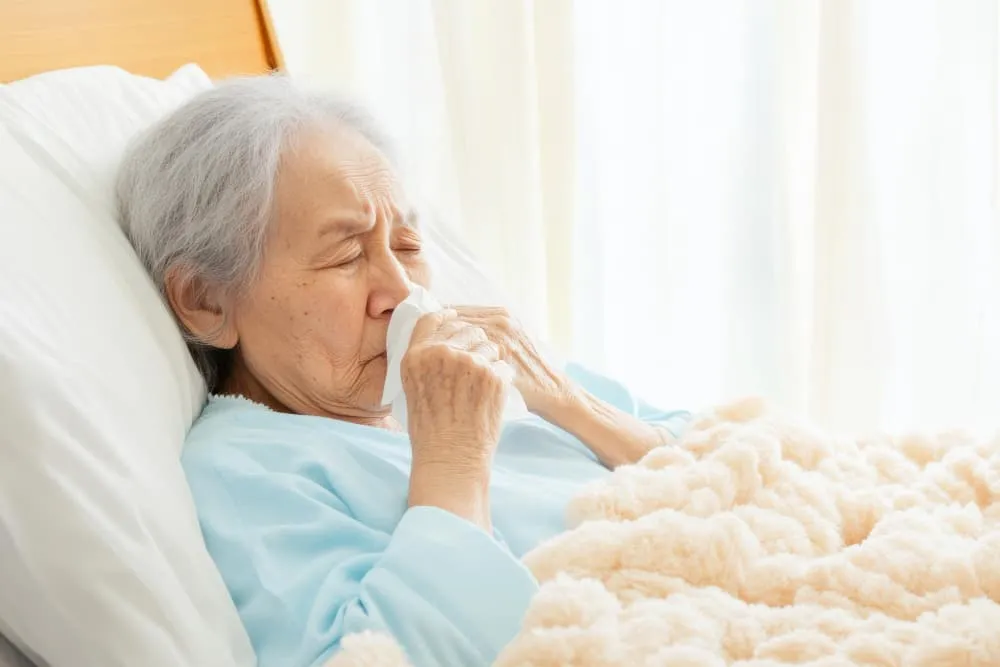
Three Core Directions for Recovery-Phase Adjustment
Compared to short-term “intensive boosting,” steady and structured conditioning is much more important. The body is like a city that has just weathered a storm and needs systematic reconstruction:
1. Restore Daily Rhythm and Energy Management
Re-establish consistent routines: A stable biological clock helps repair the immune system. Try to go to bed and wake up at the same time every day.
Gentle exercise and sunlight exposure: Avoid staying in bed for prolonged periods. Taking a 15-20 minute walk in the early morning or evening is ideal; mild sunlight promotes Vitamin D synthesis, which helps improve mood and sleep.
Avoid excessive mental and physical exertion: Learn to pace yourself. Break down chores or work into segments to save energy for the body’s self-repair.
2. Support Digestive and Gut Stability
Choose easy-to-digest foods: Prioritize high-quality proteins (e.g., white fish, skinless chicken, steamed eggs, tofu) and soft vegetables (e.g., squash/melons). These foods provide raw materials for tissue repair without burdening the stomach.
Eat smaller, more frequent meals and stay hydrated: If your appetite is poor, divide three regular meals into five or six smaller ones. Sufficient water intake helps metabolize bodily waste.
Avoid raw, spicy, or irritating foods: When immunity is compromised, raw foods (like sashimi or salads) increase the risk of bacterial infection, while spicy foods easily irritate the fragile intestinal mucosa.
3. Choose Appropriate Health Supplements
When daily diet falls short due to poor appetite, specialized nutritional supplements targeting “immune regulation” and “tissue repair” can serve as a solid foundation for physical recovery.
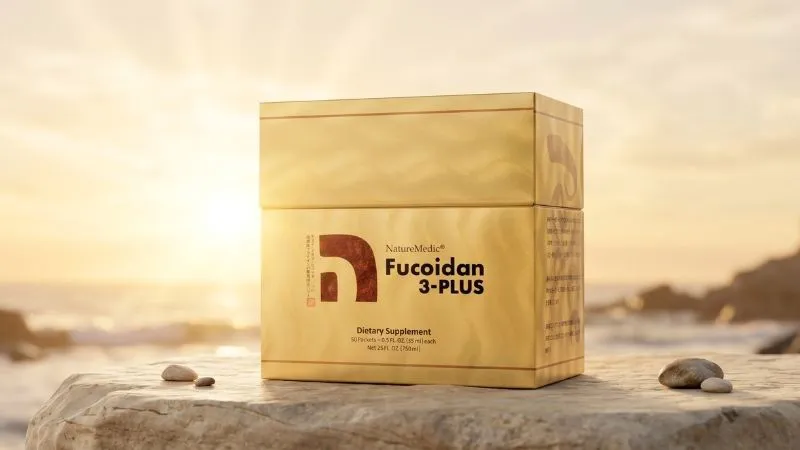
Popular Auxiliary Support During Treatment and Recovery: Why Do Many Choose Fucoidan Products?
During chemotherapy, radiotherapy, and the recovery phase, many patients and families discuss the application of Fucoidan, yet wish to gain a deeper understanding of what Fucoidan is and its health benefits.
Fucoidan is a natural polysaccharide component derived from brown seaweed. In recent years, it has appeared frequently in research related to immune regulation and support for severe illnesses. Common research and application directions regarding Fucoidan’s benefits include: [6]
• Supportive role in inhibiting abnormal cells: Assisting in inducing the self-apoptosis of abnormal cells.
• Easing treatment side effects: Helping to alleviate the deep fatigue and discomfort brought on by medical therapies.
• Immune cell modulation: Bi-directionally regulating the body’s defense mechanisms to keep them at a stable level.
• Reducing cellular burden and stress: Providing powerful antioxidant protection.
• Long-term body conditioning: Serving as a highly suitable, long-term auxiliary nutritional backing.
Important Clarification: Most of the above research is based on laboratory (in vitro) or animal studies; human clinical evidence remains limited. Fucoidan cannot replace standard treatments and serves solely as auxiliary nutritional support.
How to Choose Fucoidan: Capsule Type vs. Liquid Type
There are many types of seaweed on the market. Taking premium, high-content Japanese Fucoidan recommendations as an example, some formulas combine polysaccharides from multiple seaweed sources to elevate the overall conditioning value. Different seaweeds have different strengths; a single ingredient often struggles to meet comprehensive health needs.
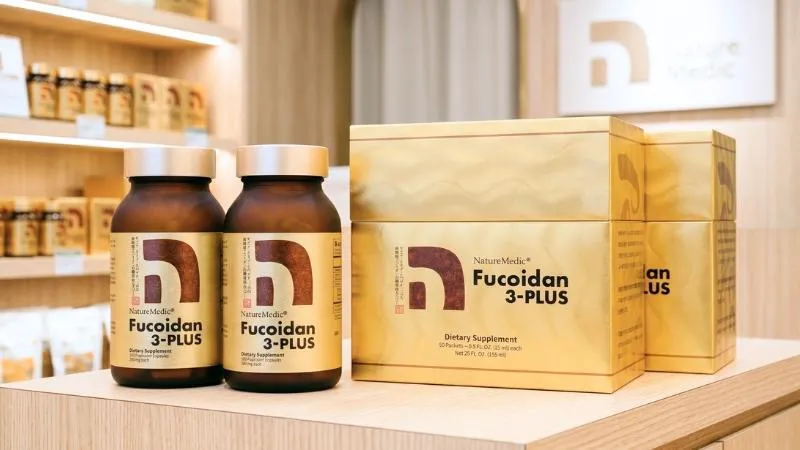
The formulation concept of NatureMedic Fucoidan 3-PLUS is to combine multiple Fucoidan sources with composite conditioning ingredients. The formula also incorporates the functional mushroom Agaricus Blazei, as well as probiotics (for the capsule type) or vitamins (for the liquid type). This multi-component design ensures the conditioning doesn’t just focus on a single pathway but balances gut microbiome health and broader immune regulation needs.
Capsule Type is Often More Suitable For:
• Early to mid-stage conditioning for severe illnesses
• Cellular health maintenance and repair
• Long-term constitution conditioning
• Daily immune regulation use
Made in Japan · Certified Quality
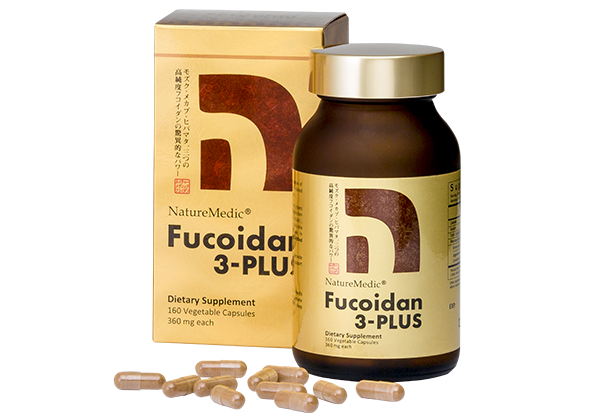
NatureMedic Fucoidan 3-PLUS Capsules (3-Type Fucoidan + Agaricus + Probiotics)
Specially designed for early-to-mid stage support, daily immune protection, and body recovery. Combines high-purity Fucoidan from Mozuku, Mekabu, and Fucus (containing 40g of high-purity Fucoidan per bottle), enhanced with Agaricus blazei mycelia and probiotics to support dual-action immune modulation, gut microbiome health, and cellular repair.
* Please consult your oncologist or health practitioner before taking. Follow recommended dosage.
Liquid Type is Often More Suitable For:
• Mid-to-late stage conditioning periods
• Times when treatment side effects are more pronounced
• Physical weakness and reduced absorption capacity
• People with difficulty swallowing (the liquid form is easier for the digestive tract to absorb directly)
Made in Japan · Certified Quality
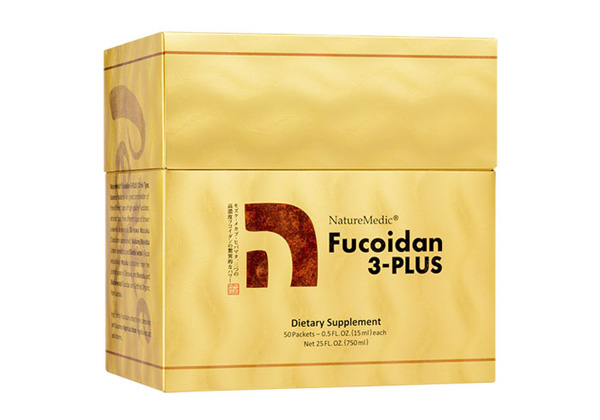
NatureMedic Fucoidan 3-PLUS Liquid (110g High Content + Fast Absorption + Vitamins A, C, E, D)
Formulated for advanced care, patients experiencing significant treatment side effects, severe fatigue, or difficulty swallowing. Delivers 110g of ultra-concentrated Fucoidan per box in liquid form for direct gut absorption without digestive burden. Enhanced with Agaricus and essential vitamins to relieve deep tiredness and restore strength.
* Please consult your oncologist or health practitioner before taking. Follow recommended dosage.
FAQ: Fucoidan Supplement Basics
Q1: What are the benefits of Fucoidan?
They primarily center on bidirectional immune regulation, auxiliary inhibition of abnormal cells, mitigation of chemotherapy side effects (such as fatigue), preservation of intestinal mucosal health, and serving as a long-term nutritional backbone for health recovery.
Q2: Does Fucoidan have side effects?
In general, Fucoidan is a natural seaweed-derived polysaccharide and maintains a very good safety profile in most studies and usage contexts. However, it is recommended to consult a doctor first if you:
• Have an iodine allergy, thyroid conditions, or a shellfish allergy.
• Are taking anticoagulant medications or have a special medical constitution.
• Are pregnant or breastfeeding, or if the supplement is for children or infants.
Q3: How much Fucoidan should be taken daily?
For daily health maintenance, a common starting range is 250mg–500mg per day. During intensive conditioning phases (such as when experiencing physical weakness, treatment side effects, or active recovery), you can increase the intake. Enhanced ranges typically start around 1,000mg per day and can be adjusted based on individual needs; in some cases, it may be increased to 2,000mg–8,000mg daily. Supplements at these higher dosages are usually recommended to be divided into multiple doses throughout the day or taken via a high-concentration liquid type for better absorption.
Q4: Is Fucoidan suitable for older adults?
Many seniors include Fucoidan as part of their daily conditioning health supplements. Common usage directions include:
• Immune regulation support
• Health recovery phase conditioning
• Cardiovascular health support
• Metabolism and gut health regulation
⚠️ Medical Disclaimer
The content of this article is for health information and reference purposes only and cannot replace professional medical diagnosis and advice. Every patient’s condition and physical state are different. If you have specific medical needs or plan to adjust your diet and supplements, please be sure to communicate fully with your attending physician first.
Citations from Authoritative Institutions & Peer-Reviewed Journals: To ensure the medical accuracy and educational value of post-chemo and radiotherapy recovery guidance, this article cites scientific literature and clinical studies from Cancer Research UK (CRUK), National Cancer Institute (NCI), and the journal Marine Drugs [1-6].
1. Post-Chemotherapy Deep Fatigue & Cellular Repair Mechanisms
Research Topic: Duration and physiological mechanisms of Cancer-Related Fatigue (CRF) following chemotherapy [1, 2].
Key Findings: Post-treatment fatigue can persist for weeks to months, primarily driven by increased energy demands for cellular renewal, heightened inflammatory signaling, and tissue repair burdens. Significant fatigue affects 39% to over 90% of patients during and after therapy [1, 2].
《Cancer-related Fatigue and Treatment Recovery》
2. Impact of Cancer Therapies on Gut Microbiome Dysbiosis & Mucosal Healing
Research Topic: Chemotherapy-induced disruption of the intestinal mucosal barrier and microbiome recovery timelines [3].
Key Findings: Chemotherapy alters the gut micro-ecosystem, causing microbial dysbiosis that can last 3 to 6 months post-treatment, directly impacting nutrient absorption and digestive efficiency [3].
《Gut Microbiome Dysbiosis and Recovery Post-Chemotherapy》
3. “Chemo Brain” Cognitive Changes & Infection Risk Guidelines
Research Topic: Post-treatment cognitive impairment (Chemo Brain), sleep disturbances, and neutropenia management [4, 5].
Key Findings: Treatment-induced inflammation disrupts deep sleep cycles and memory function. Infection risks remain significantly higher than average for up to 3 months following chemotherapy completion [4, 5].
《Managing Side Effects and Cognitive Changes in Cancer Survivors》
4. Fucoidan as an Integrative Nutritional Support for Immunomodulation & Side-Effect Relief
Research Topic: Research applications of brown seaweeds-derived polysaccharides in immune regulation, cellular apoptosis, and antioxidant protection [6].
Key Findings: Evidence suggests Fucoidan aids in inducing apoptosis in abnormal cells, mitigating treatment-related fatigue, and modulating NK cell activity, making it a viable long-term nutritional support [6].
《Therapeutic Applications and Immunomodulatory Effects of Fucoidan》
The references on this page are sourced from international public health authorities (CRUK, NCI) and peer-reviewed medical journals (Marine Drugs). They aim to provide objective, science-backed information on post-treatment recovery and do not substitute professional medical advice, diagnosis, or treatment [1-6].