(852) 5729 0686


Before considering fucoidan supplementation, many people are not thinking about how powerful its benefits are, but rather: “Does fucoidan have side effects?”, “Is long-term fucoidan supplementation safe?”, and “Can I take fucoidan during medical treatments?”
These concerns are completely reasonable. Especially for those undergoing treatments for serious illnesses or currently taking multiple medications, it is crucial to understand the safety and potential side effects of fucoidan before deciding to incorporate it into a daily nutritional plan.
With the accumulation of clinical data in recent years, the academic community has clearly verified the safety of high-purity fucoidan. This article will break down the safety, potential side effects, drug interactions, and contraindications of fucoidan from the perspective of empirical science and clinical literature.
What is Fucoidan? Why Has the Scientific Community Paid Special Attention to It in Recent Years?
Fucoidan is a natural polysaccharide mainly found in brown seaweed. Common high-quality sources include:
Mozuku (Cladosiphon okamuranus): Harvested from the pristine waters of Okinawa, Japan—a famous land of longevity—it features exceptionally high polysaccharide purity.
Mekabu (Wakame spores): Rich in sulfate groups, it has demonstrated outstanding support for defense mechanisms in research.
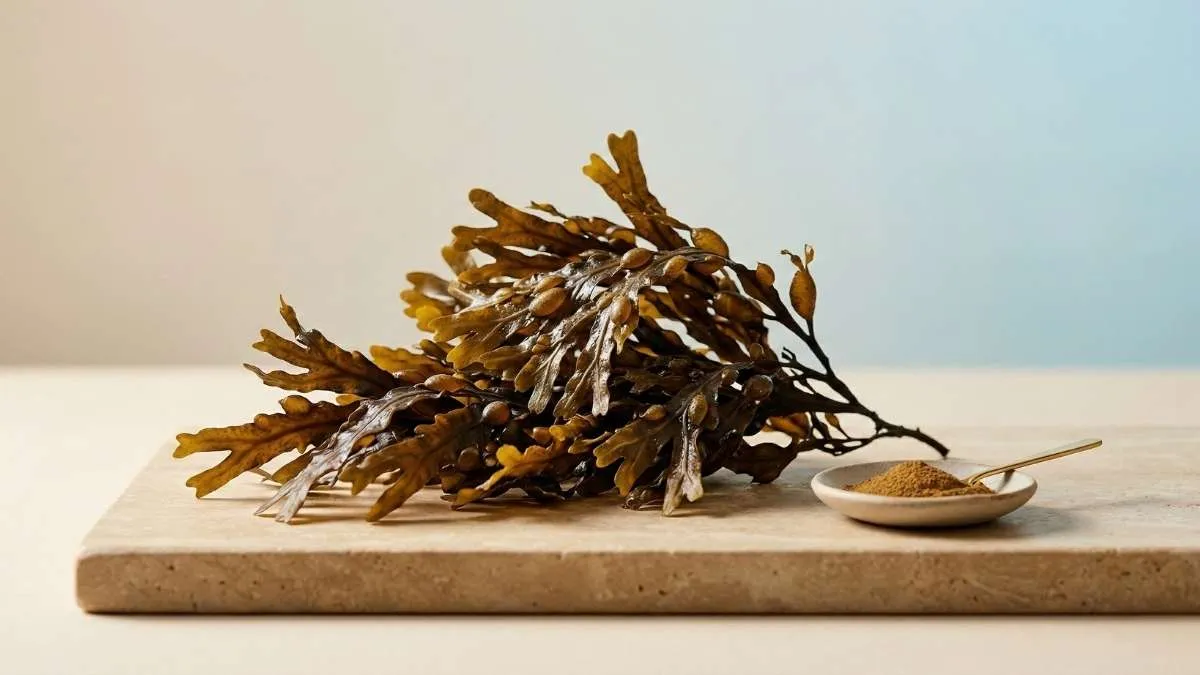
Bladderwrack (Fucus vesiculosus): A North Atlantic seaweed with a long history of use, highly beneficial for modulating chronic inflammation and boosting protective immunity.
Recent studies have shown that fucoidan is closely linked to several key physiological mechanisms, including immune regulation, chronic inflammation modulation, apoptosis (programmed cell death), and influencing the microenvironment and angiogenesis of abnormal cells [1 Source: PMC]. Because many clinical trials have found that fucoidan can provide significant nutritional support, maintain appetite, and regulate immunity during major treatments, its safety has become the focus of the most rigorous scientific scrutiny.
Is Fucoidan Safe? Three Scientific Research Directions Tell You the Answer
Evaluating whether a natural ingredient is safe for long-term consumption by patients with serious illnesses cannot rely on intuition alone. The medical community currently supports the safety of fucoidan through data across three main dimensions:
1. Clinical Tolerance Observations
In multiple clinical studies spanning 8 to 12 weeks on patients with serious illnesses, researchers closely monitored subjects’ bodily functions. The results showed that patients supplementing with fucoidan during their treatment had extremely high tolerance, with no serious adverse reactions related to fucoidan reported. Instead, it helped maintain their quality of life. [2 Source: PMC]
2. Human Dosage Testing
In empirical studies, subjects were observed while consuming up to 4 grams of fucoidan daily. Regular blood and urine tests revealed that subjects’ liver and kidney function indicators remained normal, confirming that it is a highly gentle, natural dietary supplement for the human body. [2 Source: PMC]
3. Long-Term Toxicological Evaluation
Regarding the risks of long-term intake, toxicological reports indicate that even at high doses of fucoidan, no toxic reactions were observed at the cellular or genetic level. This means it is suitable for the general public as a daily health supplement or for long-term recovery after illness. [2 Source: PMC]
Overall, after undergoing testing across clinical tolerance, human dosage, and toxicology, fucoidan is widely recognized by the academic community as a safe and well-tolerated natural ingredient under recommended daily intakes.
Does Fucoidan Have Side Effects? Common Discomforts and High-Risk Groups
Based on current global research literature, fucoidan has not been reported to have significant or severe side effects. However, because everyone’s constitution and physiological state differ, a small number of people may experience mild “adjustment period reactions” when they first start taking it:
Mild changes in bowel movements: Since fucoidan is a high-molecular-weight dietary fiber, some individuals with sensitive stomachs may experience temporary bloating or increased frequency of bowel movements in the beginning. This usually subsides after reducing the dosage or adapting for a few days.
Allergic reactions to seafood/seaweed: For those extremely allergic to seaweeds like kelp or kombu, a very small number of people might experience discomforts like itchy skin.
3 Groups That Need Special Caution Before Supplementing:
While the overall safety is exceptionally high, you or your loved ones must be extra cautious before supplementing if you fall into the following categories:
Those with severe allergies to seaweed foods:
Although high-quality extraction technologies have removed the vast majority of impurities, individuals with a history of severe allergies to kelp or kombu are still advised to consult a physician or undergo an allergy assessment first.
Those currently taking anticoagulant or antiplatelet medications:
Scientific literature indicates that fucoidan has blood circulation-promoting and anticoagulant effects. If you are taking anticoagulants such as Warfarin, Aspirin, or Clopidogrel, do not supplement on your own to avoid compounding drug effects. Be sure to consult your primary care physician first. [1 Source: PMC]
Pregnant women, lactating mothers, and children:
The clinical medical community has not yet accumulated sufficient long-term safety data for these three special groups. Based on the principle of caution, it is recommended to consult a professional physician before deciding whether to use it.
Simply put, for healthy adults without specific medical conditions or medication requirements, supplementing with fucoidan at recommended doses is generally safe. However, the groups mentioned above need to exercise caution and should not take it blindly just because it is labeled a “health supplement.”
Must-Read Before Buying: How to Choose Reliable, Safe Fucoidan?
With an increasing number of fucoidan products on the market, prices and claims vary widely. For your health and that of your family, it is strongly recommended to follow these 4 guidelines before purchasing:
Clear source of fucoidan: Reject ingredients from unknown origins. Look for pristine, pollution-free, and internationally renowned ocean sources.
Purity and content of fucoidan: Ensure the purity of the polysaccharide is over 85% and the “actual content” is clearly labeled, rejecting vague packaging.
Third-party testing: Look for authoritative SGS third-party certification to ensure zero heavy metals and zero radiation residue for peace of mind.
Multi-seaweed formula: Single-source fucoidan has limited efficacy. Opting for a “multi-seaweed complex formula” allows the protective power to achieve a 1 + 1 > 2 synergistic effect.
> Looking for a fucoidan that perfectly meets all four safety standards? No need to go through endless hassle.
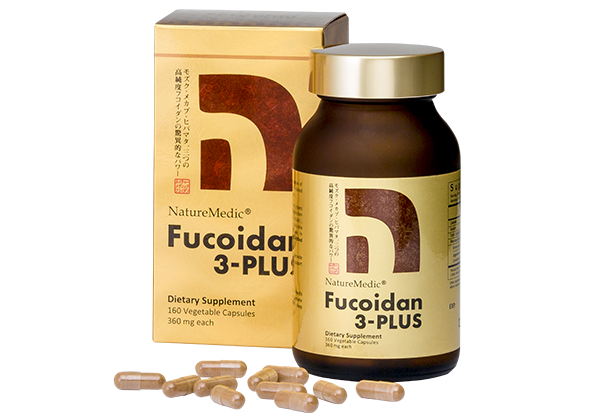
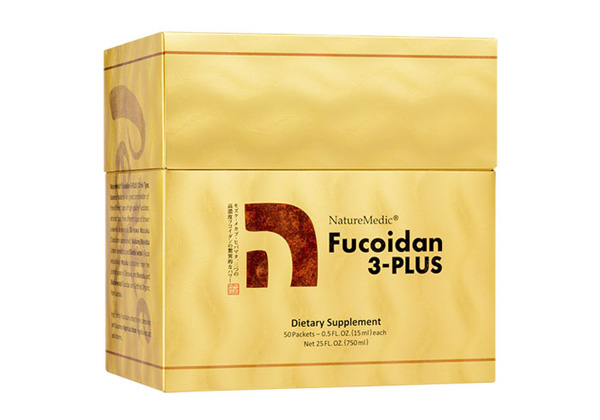
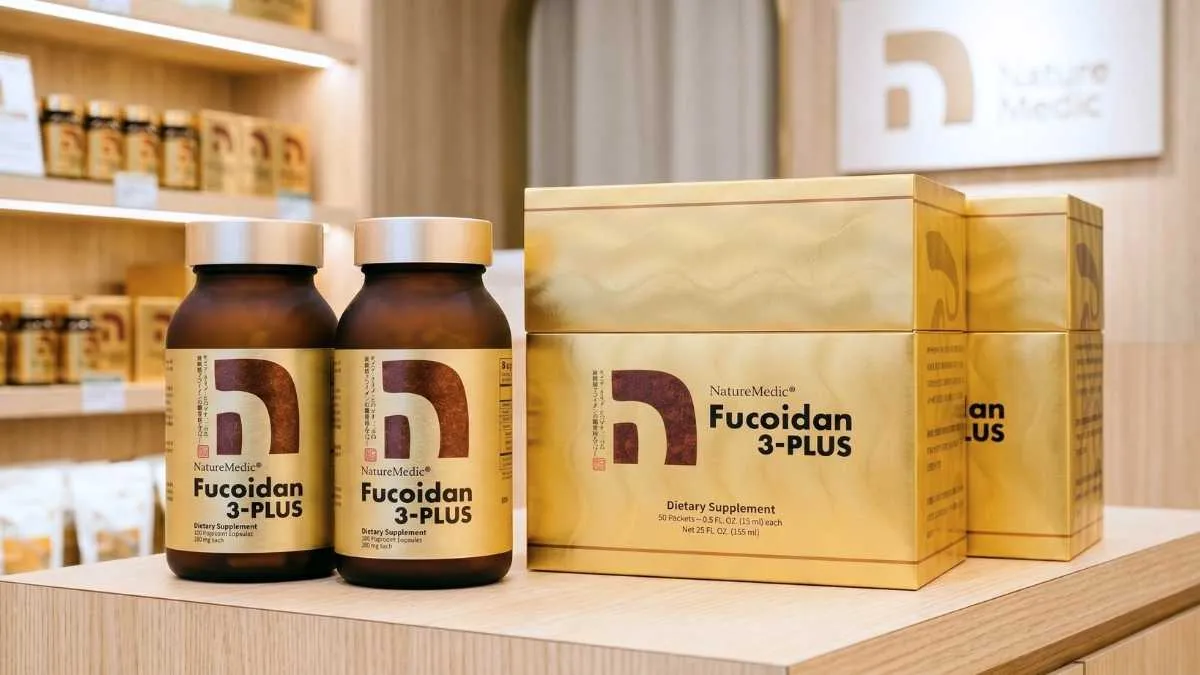
NatureMedic® Fucoidan 3-PLUS saves you from tedious comparisons and worries. We not only pass the strictest quality and safety tests, but we also create a high-spec protective shield rarely seen on the market:
Golden Triple Formula: An exclusive blend combining the three premium seaweed extracts of “Okinawa Mozuku,” “Mekabu,” and “Bladderwrack.”
Scientific Golden Ratio: Precisely formulated with high purity and high content to maximize the absorption rate of key active components.
All-Around Synergistic Effect: Whether it is a crucial sprint during treatment or daily long-term body conditioning, it exerts a compounding, comprehensive safeguard.
This is not just a guarantee of peace of mind, but a premium health choice tailored for you and your family that delivers both safety and high efficacy.
Frequently Asked Questions (FAQ) Regarding Fucoidan Safety
Q1: Is fucoidan safe?
A1: Current research generally suggests that fucoidan has good safety and tolerability when taken at typical supplemental doses. Choosing a high-purity product with clear seaweed sources and third-party testing ensures a more reassuring health investment.
Q2: Does fucoidan cause side effects?
A2: Fucoidan has not been widely associated with serious side effects in scientific literature. However, a small number of individuals may experience mild digestive discomfort, such as bloating or changes in bowel movements. Individuals with seaweed allergies should exercise caution.
Q3: Can fucoidan be taken long-term for body conditioning?
A3: Yes. Some studies have observed fucoidan supplementation for several weeks to several months without finding significant safety concerns. A premium extract like the proprietary Triple Formula in NatureMedic Fucoidan 3-PLUS is ideal for daily, long-term body conditioning.
Q4: Can it be taken during medical treatments?
A4: Recent studies have explored fucoidan’s role in regulating natural killer (NK) cell activity and modulating inflammatory signaling pathways. Because of these research directions, some patients and caregivers include it as part of their nutritional support during treatment or recovery periods. Please note that pregnant or breastfeeding women, children, and people taking anticoagulant medications should consult a doctor before supplementation.
Are you looking for the safest nutritional support for a family member’s treatment? Do not let health products of unknown origin burden the body. You are welcome to consult our professional health advisors to customize a long-term recovery plan tailored to your family’s needs.
⚠️ Safety Reminder & Warm Recommendation
Fucoidan is not a medicine and should never replace any medical treatment. Any health supplement should be built upon the foundation of a balanced diet, moderate exercise, and adequate sleep. Establish a solid foundation for your lifestyle, and then utilize fucoidan as a nutritional shield to maximize the value of your wellness journey, accompanying you further and more steadily.
🔬 Scientific Evidence and References
To ensure accuracy and professionalism, the content of this article is based on research findings from the following international medical and biological journals: