(852) 5729 0686



Gut Microbiome & Immune Defense Alignment: Approximately 70% of the human immune system resides in the gut. Taking probiotics alone often yields limited results; the key lies in pairing them with “prebiotics” to nourish beneficial bacteria (synbiotic synergy), combined with high-grade “Fucoidan Marine Polysaccharides” to reinforce the mucosal barrier for comprehensive gut and immune protection.
🌿 Understanding the 3 Synergistic Gut Defense Mechanisms
🛡️ Who Is This For & When to Supplement?
Ideal for frequent diners-out, individuals dealing with indigestion, bloating, irregular bowel movements, chronic fatigue, or those seeking advanced gut-immune defense. Choosing a multi-ingredient formulation helps maintain gut microbiota diversity and stability.
💡 Supplementation Guidelines & Buyer’s Advice
- Identify Specific Strains & Synergistic Formulas: Check for clearly labeled strain names. Prioritize a triple-action formula combining high-purity Fucoidan extracts, probiotics, and prebiotics (such as NatureMedic 3-PLUS).
- Verify Storage Requirements & Transparent Labels: Probiotic benefits are “strain-specific”—higher CFU counts do not automatically equal superior efficacy. Adhere to storage instructions and avoid misleading medical claims. Individuals with medical conditions should consult a physician prior to use.

Did you know? The human gut is responsible for more than just digestion and nutrient absorption—it is also considered our “second brain,” housing approximately 70% of the body’s immune cells. When the gut microbiota falls out of balance, it can lead to digestive discomforts like irregular bowel movements and bloating, while also compromising overall energy and immune resistance. [1]
To maintain optimal gut health and strengthen immune defenses, both Probiotics and Prebiotics play pivotal roles. This guide breaks down the differences between the two, their core health benefits, and the best synergistic strategies to build a comprehensive gut-immune defense network.
Probiotics vs. Prebiotics: What’s the Difference?
While both probiotics and prebiotics support gut microecology, they serve fundamentally different functions. Simply put, probiotics are live, beneficial microorganisms, whereas prebiotics are non-digestible food components that selectively nourish these microbes [2]. When combined, they work synergistically as Synbiotics.
| Probiotics | Prebiotics | |
| Definition | Live microorganisms that confer health benefits when administered in adequate amounts (e.g., specific bacteria or yeasts) | Non-digestible compounds that selectively stimulate the growth or activity of beneficial gut microbes |
| Common Sources | Yogurt, kefir, cheese, fermented foods, and probiotic supplements | Onions, garlic, legumes, whole grains, and marine seaweeds |
| Core Function | Inhibit harmful pathogens and regulate gut microbiota balance | Provide fuel for beneficial bacteria and stimulate intestinal motility |
| Key Mechanism | Must successfully colonize or pass through the gut to exert functional effects | Consist of non-digestible dietary fibers or marine polysaccharides |
Health Benefits of Probiotics: Supporting Gut Integrity & Immunity
Clinical research shows that specific probiotic strains provide well-documented health benefits, including:
1. Improving Gut Microecology: Helps suppress harmful pathogens, maintains intestinal mucosal barrier integrity, and alleviates constipation, diarrhea, and indigestion.
2. Regulating Immune Responses: Gut probiotics interact directly with immune cells, boosting host defense mechanisms against external pathogens and reducing infection risks.
3. Enhancing Digestive Efficiency: Aids in breaking down complex food molecules, improves lactose tolerance, reduces abdominal gas, and supports overall nutrient absorption.
4. Supporting Cardiovascular Wellness: Select probiotic strains have been studied for their potential to help maintain healthy cholesterol levels (Note: Research is ongoing; effects vary by strain).
📋 Key Takeaway: Probiotic benefits are strain-specific. Formulations and bacterial counts vary widely across products; not all probiotic supplements yield identical clinical results.
Health Benefits of Prebiotics: Maximizing Probiotic Efficacy
Prebiotics serve as “fuel” for probiotics, consisting primarily of soluble dietary fibers and oligosaccharides. Key benefits include:
1. Nourishing Beneficial Microbes: Provides the vital energy source needed for probiotics to survive, colonize, and multiply within the gastrointestinal tract.
2. Boosting Microbiome Diversity: Selectively feeds a wider variety of beneficial species (such as Bifidobacteria), fostering a diverse microbial ecosystem that crowds out pathogens.
3. Stimulating Intestinal Motility: Increases stool bulk and encourages regular bowel contractions, significantly reducing the risk of constipation.
4. Generating Short-Chain Fatty Acids (SCFAs): When fermented by gut microbiota, prebiotics produce SCFAs (such as acetate, propionate, and butyrate) that nourish intestinal epithelial cells and support systemic immunity.
How to Maximize the Benefits of Probiotics & Prebiotics?
The most effective strategy is simultaneous intake—opting for a synbiotic formulation or combining probiotic and prebiotic rich foods in your daily diet.
1. Dietary Recommendations for Daily Nutrition
Probiotic-Rich Foods: Yogurt, kefir, kimchi, miso, sauerkraut, and natto.
Prebiotic-Rich Foods: Onions, garlic, leeks, bananas, apples, oats, brown rice, legumes, and seaweeds.
2. 5 Principles for Choosing Probiotic Supplements
When selecting dietary supplements for daily health maintenance, keep these evidence-based principles in mind:
Verify Complete Strain Names: Look beyond marketing buzzwords like “high CFU count” or “multi-strain blend.” Scientific evidence applies to specific strains, not entire species.
Check Live CFU Counts & Storage Conditions: Probiotics are live organisms sensitive to heat, light, and moisture. Ensure proper storage as indicated on the label to preserve potency.
Examine Formulations & Potential Allergens: Check for common allergens (such as dairy or seaweed extracts). Note that starting a high-fiber prebiotic regime may initially cause mild, temporary gas.
Assess Bacterial Counts Objectively: A higher CFU count does not automatically mean better results. Focus on clinically studied formulations, transparent manufacturing standards, and third-party testing.
Be Cautious of Exaggerated Health Claims: Dietary supplements are not intended to cure or treat diseases. Be skeptical of products claiming to “replace medical treatment” or “cure chronic illnesses,” and choose compliant, reputable brands.
Elevating Gut Defenses: Synergistic Support with “Fucoidan”
In addition to probiotics and prebiotics, recent medical and nutritional studies highlight the therapeutic potential of Fucoidan—a bioactive polysaccharide extracted from natural brown seaweeds—in supporting gut integrity and immune modulation. Fucoidan combines high-molecular polysaccharide benefits with prebiotic-like properties, exhibiting potent antioxidant activity and protective effects on the intestinal mucosal barrier. [3]
Combining Fucoidan with Probiotics and Prebiotics creates a Comprehensive Triple-Defense System:
Fucus Vesiculosus Fucoidan: Packed with powerful antioxidant capabilities that mitigate intestinal oxidative stress and foster microbial balance.
Okinawa Mozuku Fucoidan: Demonstrated in studies to help stabilize the gut microenvironment and support cellular health.
Mekabu Fucoidan (Undaria Pinnatifida): Rich in sulfate groups that support tissue repair and reinforce innate immune protection.
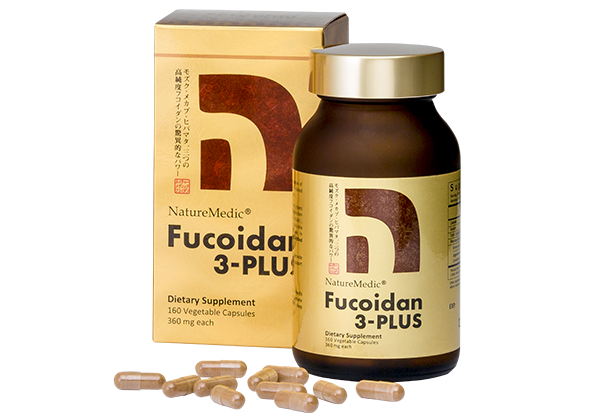
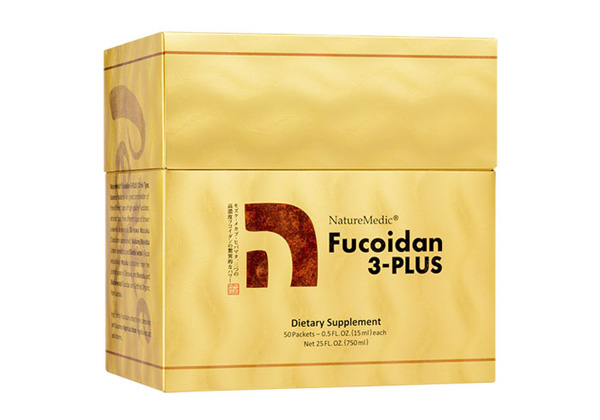
Comprehensive Health Care Choice: NatureMedic Fucoidan 3-PLUS
For those seeking an advanced compound formulation aligned with these clinical standards, NatureMedic Fucoidan 3-PLUS Capsules offers an ideal solution. Combining three high-purity Fucoidan extracts with premium probiotics and prebiotics, this golden ratio formulation (“Good Bacteria + Prebiotic Fuel + Marine Polysaccharides”) delivers comprehensive gut microbiome regulation and enhanced immune defense in one convenient supplement.
Imported from Japan · Certified Quality
NatureMedic Fucoidan 3-PLUS Capsules
(High-Purity Marine Polysaccharides + Dual Patented Probiotics)
Formulated for individuals seeking advanced gastrointestinal care and immune defense. Combines three high-purity Fucoidans from Okinawa Mozuku, Organic Mekabu, and Fucus vesiculosus (providing 40g of rich polysaccharide prebiotics per bottle), enhanced with Lactobacillus paracasei and Bifidobacterium longum to unlock powerful synbiotic synergy, reinforce the mucosal barrier, and support 70% of systemic immune defense.
Dietary supplements are not pharmaceuticals. Consult a healthcare professional before use and follow recommended dosages.
Frequently Asked Questions (FAQ): Probiotics & Prebiotics
Q1: Do I need to take probiotics every day?
Not necessarily. If your daily diet includes sufficient fermented foods, fiber-rich vegetables, and fruits while your gut function remains stable, daily supplementation may not be required. However, if you have recently taken antibiotics, frequently dine out, experience high stress, or suffer from digestive discomfort, short-term daily supplementation can offer valuable support.
Q2: Can consuming too many prebiotics cause discomfort?
Yes, it is possible. Suddenly increasing your intake of high-fiber prebiotics can lead to temporary gas, bloating, or changes in bowel movements as your gut microbiota adapts. It is recommended to start with smaller amounts and gradually increase intake while staying well-hydrated.
Q3: Can Fucoidan replace probiotics entirely?
No, they serve complementary rather than interchangeable roles. Fucoidan is a bioactive polysaccharide that acts primarily as a high-grade prebiotic fuel and mucosal protector. Live probiotic strains offer distinct therapeutic values. Combining both achieves superior synergistic benefits for overall gut health.
Q4: Who should consult a doctor before taking gut supplements?
Individuals with severe immunocompromise, those undergoing active chemotherapy or medical treatments, or patients with severe gastrointestinal diseases should consult their attending physician prior to supplementation. Pregnant or lactating women, as well as infants, should seek guidance from healthcare professionals to select appropriate formulations.
Conclusion
Achieving optimal gut health is a long-term commitment that relies on more than a single supplement. Building a foundation through a balanced diet, incorporating fermented foods and prebiotic-rich produce, and strategically using well-labeled, scientifically backed probiotic and prebiotic supplements represents the most effective path to wellness.
If you have further questions regarding NatureMedic Fucoidan 3-PLUS or personalized gut care strategies, feel free to contact our professional health consultants at any time.
⚠️ Medical Disclaimer
The content provided in this article is for educational and informational purposes only and is not intended as medical advice, diagnosis, or treatment. Always consult your physician or a qualified healthcare provider regarding any dietary adjustments, exercise plans, or nutritional supplementation during recovery or health management.
Authoritative Institutions & Peer-Reviewed Literature: To uphold information accuracy and E-E-A-T health educational standards, this article references clinical evidence and global guidelines published by the World Gastroenterology Organisation (WGO), National Center for Biotechnology Information (NCBI / PMC), and MDPI peer-reviewed journals.
1. The Interplay between Gut Microbiome and Immune System in Infectious Diseases & Nutritional Strategies
Research Topic: Investigates how gut microbiota modulates innate and adaptive immune responses across different life stages, and explores targeted nutritional strategies to optimize clinical outcomes in infectious diseases.
Key Findings: Gut microbiota serves as a primary regulator of immune development and function. Targeted nutritional interventions (such as probiotic and prebiotic supplementation) reshape microbial balance, fortify the intestinal barrier, and reduce infection susceptibility.
《The Interplay between the Gut Microbiome and the Immune System in the Context of Infectious Diseases throughout Life and the Role of Nutrition in Optimizing Treatment Strategies》
2. World Gastroenterology Organisation (WGO) Global Guidelines: Probiotics and Prebiotics
Research Topic: Evidence-based clinical guidelines issued by the WGO regarding definitions, mechanisms of action, and clinical applications of probiotics and prebiotics in gastrointestinal disorders.
Key Findings: Establishes that probiotic efficacy is “strain-specific” and “dose-dependent,” demonstrating that synbiotic formulations (probiotics + prebiotics) effectively alleviate gut disorders, improve constipation, and maintain immune balance.
《WGO Global Guidelines: Probiotics and Prebiotics》
3. Alginate Oligosaccharide and Gut Microbiota: Exploring the Key to Health
Research Topic: Cutting-edge research on seaweed-derived alginate oligosaccharides and their impacts on gut microbial diversity, short-chain fatty acid (SCFA) synthesis, and mucosal protection.
Key Findings: Seaweed oligosaccharides function as superior marine prebiotics, selectively nourishing beneficial bacteria (such as Bifidobacteria), inhibiting pathogen growth, and attenuating intestinal oxidative stress and inflammatory responses.
《Alginate Oligosaccharide and Gut Microbiota: Exploring the Key to Health》
🛡️ Clinical Evidence & Quality Assurance Declaration
All literature referenced on this page originates from leading medical organizations and peer-reviewed journals (WGO, PubMed Central, MDPI Nutrients). This content aims to provide objective, scientific gut microecology education and does not replace professional medical diagnosis or treatment.