(852) 5729 0686




Post-surgery care and diet play a crucial role in recovery. Whether it’s a major or minor surgery, proper post-operative management not only accelerates healing but also reduces the risk of complications. This guide provides essential post-surgery care principles and dietary strategies to help patients regain their health smoothly.
Basic Principles of Post-Surgery Care
1. Keep the Wound Clean to Prevent Infection
Wound care is a vital aspect of post-surgery recovery. Patients should follow their doctor’s instructions on changing dressings regularly and keeping the wound away from unclean environments. Additionally, they should monitor for signs of infection, such as redness, discharge, or unusual odor. If abnormalities occur, seek medical attention immediately.
2. Get Plenty of Rest to Promote Healing
The body needs time to recover after surgery. Patients should avoid strenuous activities or heavy lifting to prevent strain on the surgical site. Gentle limb movements while in bed can help improve circulation and reduce the risk of blood clots.
3. Monitor Temperature and Health Indicators
Post-surgery fever may indicate an infection, so patients should closely monitor temperature changes. Other symptoms such as severe fatigue, intense pain, or difficulty breathing should be reported to a healthcare provider immediately.
4. Take Medications as Prescribed
Doctors usually prescribe pain relievers or antibiotics to manage pain and prevent infection. Patients should strictly follow medical advice regarding medication dosage and should not adjust the dosage or stop medications without consulting their doctor.
5. Seek Emotional and Psychological Support
Surgery can cause anxiety or emotional fluctuations. Having family and friends for support or joining support groups can help patients cope with stress and maintain a positive mindset during recovery.

Dietary Strategies for Post-Surgery Recovery
A well-balanced diet provides essential nutrients for tissue repair and overall healing. Below are key dietary recommendations for post-surgery recovery:
1. High-Protein Diet to Accelerate Wound Healing
Protein is essential for tissue repair. Patients should consume protein-rich foods such as lean meat, fish, eggs, legumes, and dairy products. [Sources: PMC]
2. Vitamins and Minerals to Boost Immunity
Vitamin C aids wound healing, while vitamin A and zinc enhance immune function. Patients should incorporate oranges, carrots, spinach, and nuts into their diet for optimal nutrition. [Sources: ACNM]
3. Adequate Hydration for Metabolism and Digestion
Water helps flush out toxins and maintain digestive health. Post-surgery patients should ensure sufficient daily water intake to prevent dehydration.
4. Low-Fat, Low-Sodium Diet to Reduce Digestive Stress
Avoid high-fat and high-sodium foods. Instead, opt for light and easily digestible meals, such as vegetable soup, porridge, and steamed dishes, to ease the burden on the digestive system and support cardiovascular health.
5. Gradual Return to Normal Eating Habits
Patients should follow a small, frequent meal pattern, transitioning from liquid foods to solid foods step by step. Overeating in one sitting should be avoided to reduce digestive stress.
6. Avoid Irritating Foods to Protect the Digestive System
Spicy foods, coffee, and alcohol may irritate the stomach or interfere with medications. Patients should avoid these foods to ensure a smooth recovery.

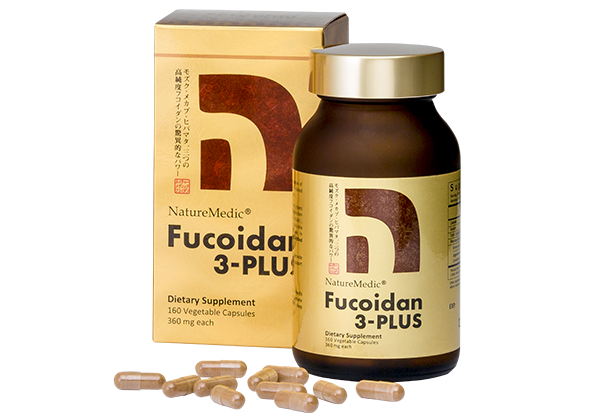
In addition to maintaining a balanced diet after surgery, appropriately supplementing with post-surgical nutritional products can accelerate recovery and reduce the risk of complications. Research has found that supplementing with fucoidan can activate immune cells, reduce excessive postoperative inflammatory responses, and support collagen synthesis. It is particularly suitable for patients with weakened immunity after surgery. [Sources: PMC][Sources: MDPI]
The key to post-surgery care and diet lies in maintaining wound cleanliness, getting sufficient rest, following prescribed medications, and ensuring proper nutritional intake. Additionally, emotional well-being and a positive attitude play a significant role in recovery. With proper care and dietary adjustments, patients can achieve a faster and smoother return to daily life.
References :