(852) 5729 0686




The liver is a vital organ responsible for detoxification, fat metabolism, protein synthesis, and energy storage. Doctors usually assess liver health through liver function tests (ALT, AST, GGT). If liver enzyme levels are elevated, it may indicate potential liver problems.
This article explains the six main causes of abnormal liver enzyme levels and offers practical advice on improving liver function and maintaining everyday liver health.
6 Common Causes of Abnormal Liver Enzyme Levels (Elevated ALT, AST, GGT)
1. Viral Hepatitis: The Impact of Hepatitis B and C
Hepatitis B (HBV) and Hepatitis C (HCV) are among the most common chronic liver diseases worldwide. They cause liver cell damage, leading to elevated ALT and AST levels. If untreated, chronic hepatitis can progress to liver cirrhosis or liver health issues. [Source: World Health Organization (WHO)]
2. Non-Alcoholic Fatty Liver Disease (NAFLD): The Link Between Obesity and Liver Function
Non-Alcoholic Fatty Liver Disease (NAFLD) is primarily associated with obesity, diabetes, and high cholesterol. Excess fat accumulation in the liver can trigger inflammation and liver cell damage, resulting in elevated liver enzyme levels. [Source: Atherosclerosis Journal]
3. How Excessive Alcohol Consumption Affects Liver Enzymes
Chronic alcohol consumption can lead to alcoholic hepatitis, fatty liver, and even liver cirrhosis, significantly increasing GGT and AST levels.
4. Effects of Medications and Toxins on the Liver
Certain medications (such as antibiotics, painkillers, and cholesterol-lowering drugs) can have toxic effects on the liver, leading to abnormal liver enzyme levels. It is essential to avoid self-medication and follow a doctor’s prescription.
5. The Role of Autoimmune Liver Diseases
Autoimmune liver diseases occur when the immune system attacks liver cells, causing ALT and AST elevations. Examples include primary sclerosing cholangitis and primary biliary cholangitis.
6.Other Potential Factors (Genetic Conditions, Bile Duct Diseases, Metabolic Disorders)
• Genetic liver diseases (such as Wilson’s disease and hemochromatosis) can lead to liver dysfunction.
• Bile duct obstruction or gallstones may disrupt bile flow, leading to increased GGT levels.
• Metabolic disorders (such as thyroid dysfunction) can indirectly affect liver health.

How to Improve Liver Function? 6 Ways to Lower Liver Enzyme Levels
1. Maintain a Healthy Diet to Reduce Liver Burden
• Avoid high-fat, high-sugar, and high-cholesterol foods
• Increase intake of vegetables, fruits, whole grains, and Omega-3 fatty acids (found in fish and nuts)
2. Limit or Completely Avoid Alcohol Consumption
Reducing alcohol intake lowers the risk of alcoholic hepatitis and liver cirrhosis.
3. Regular Liver Function Tests to Detect Issues Early
People with a family history of liver disease or high-risk individuals should regularly check ALT, AST, and GGT levels.
4. Get Vaccinated to Prevent Viral Hepatitis
Receiving the Hepatitis B vaccine (HBV) is a crucial step in preventing viral hepatitis.
5. Maintain a Healthy Weight and Provide Additional Protection
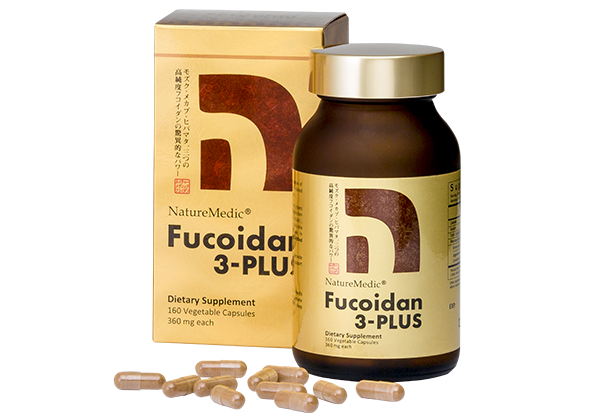
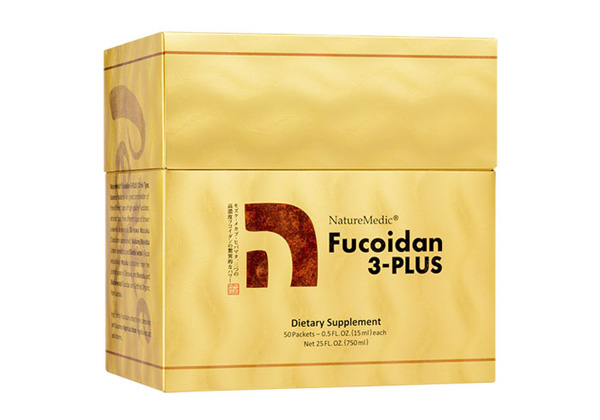
Engaging in physical activities (such as slow walk or swimming) can reduce the risk of fatty liver and promote liver health. Additionally, studies have found that fucoidan can reduce liver damage and promote liver cell regeneration. It has protective effects for both alcoholic liver disease and non-alcoholic fatty liver disease, making it a valuable part of daily liver care. [Source: PubMed]
6. Follow Medical Advice for Medication Use to Prevent Liver Damage
All medications should be taken under medical supervision. Avoid self-medicating with over-the-counter drugs or herbal supplements.
Common Questions About Abnormal Liver Enzymes and Liver Care (FAQ)
Q1: Does abnormal liver enzyme level always mean liver disease?
Not necessarily. Temporary increases may occur due to stress, medication use, or infections. Repeat testing or medical consultation is recommended.
Q2: Can fucoidan really help improve liver function?
Research indicates that fucoidan reduces oxidative stress and liver inflammation, supporting cell regeneration. However, it should be used as a supplement, not a replacement for medical treatment.
Q3: How can diet help improve liver enzyme levels?
Increase the intake of antioxidant-rich foods such as green tea, berries, and whole grains, and reduce fried or processed foods.
Q4: How often should liver enzyme tests be repeated?
Generally every 6–12 months, or more frequently if you are at higher risk, as advised by your doctor.

Don’t Ignore Abnormal Liver Enzyme Levels – Regular Checkups and Healthy Habits Are Key!
Abnormal liver enzyme levels (elevated ALT, AST, GGT) may signal liver inflammation, fatty liver, viral hepatitis, or excessive alcohol consumption. If your liver function tests show abnormalities, seek medical consultation immediately. Adopting a healthy diet, regular exercise, routine testing, and proper supplements can help improve liver health.
References :
[1] World Health Organization (WHO)- World Hepatitis Day 2024