(852) 5729 0686


The Importance of the Thyroid
The thyroid gland, located at the front of the neck in a butterfly shape, weighs only about 15-25 grams. Despite its small size, it plays a crucial role in regulating metabolism, energy utilization, heart function, muscle activity, and brain development.
Functions and Role of the Thyroid
The thyroid regulates metabolism by secreting thyroid hormones (T3 and T4), which influence body temperature, weight, heart rate, and digestion. During childhood, a healthy thyroid is essential for brain and bone development. Iodine is a critical component in the production of thyroid hormones, making adequate iodine intake vital for thyroid function.
Common Thyroid Disorders
1. Hyperthyroidism (Overactive Thyroid)
Excess thyroid hormone production accelerates metabolism, leading to symptoms such as palpitations, weight loss, anxiety, insomnia, and excessive sweating. A common cause is Graves’ disease, an autoimmune condition.
2. Hypothyroidism (Underactive Thyroid)
Insufficient thyroid hormone slows metabolism, causing fatigue, weight gain, dry skin, depression, and memory issues. Possible causes include iodine deficiency, Hashimoto’s thyroiditis, and post-thyroid surgery effects.
3. Thyroid Nodules and Abnormal Growths
Thyroid nodules are abnormal lumps in the thyroid, most of which are benign, but some may require medical evaluation to rule out potential concerns. Regular check-ups can help with early detection and proper management.


Strategies for Maintaining Thyroid Health
1. Balanced Diet with Adequate Iodine Intake
Iodine is essential for thyroid health and can be obtained from seaweed, iodized salt, and nori. Additionally, selenium and zinc support thyroid function and are found in nuts, fish, and dairy products.
2. Stress Management
Chronic stress can disrupt thyroid hormone balance. Practices like yoga, meditation, and exercise can help reduce stress and support thyroid health.
3. Regular Thyroid Check-Ups
If you have a family history of thyroid issues or symptoms of imbalance, it is recommended to monitor T3, T4, and TSH (Thyroid-Stimulating Hormone) levels through regular blood tests.
4. Minimizing Exposure to Environmental Toxins
Certain chemicals, such as bisphenol A (BPA) and pesticides, can interfere with thyroid function. Choosing natural household products and reducing exposure to these substances is advisable.
5. Moderate Exercise
Regular exercise helps support metabolism and thyroid function. However, excessive exercise may increase stress hormones, which can negatively impact the thyroid.


Fucoidan and Thyroid Health
When dealing with thyroid nodules or chronic thyroid conditions, in addition to regular check-ups and following your doctor’s advice, choosing suitable health supplements for physique regulation is also very important. In recent years, high-content fucoidan products originally from Japan have been widely recommended due to their high concentration of active ingredients. However, since fucoidan is derived from natural seaweed, and seaweed may contain trace amounts of iodine, many people are concerned about whether fucoidan is suitable for individuals with thyroid issues.
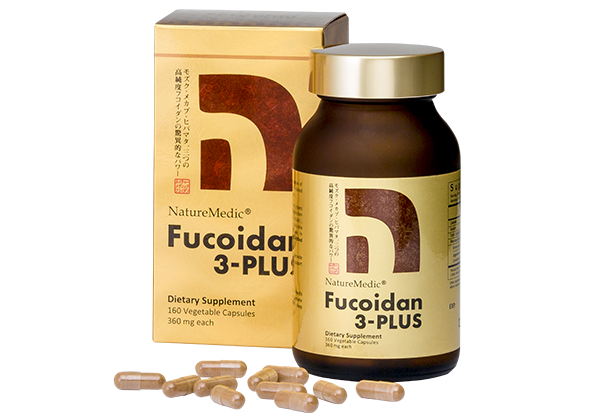
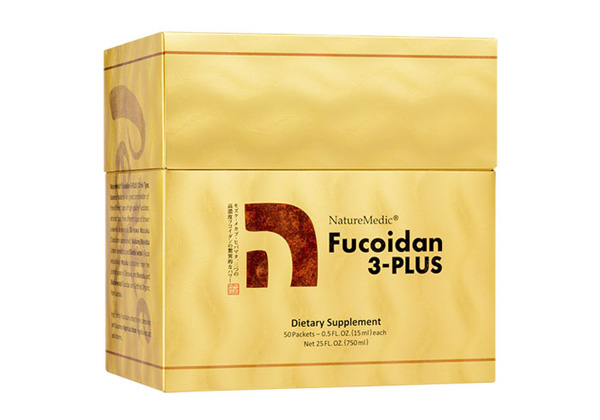
The iodine content in the Japanese brand NatureMedic® Fucoidan 3-Plus falls within the low-to-moderate range, allowing it to provide health support while minimizing the risk of excessive iodine intake:
• Capsule version (per capsule): 6.5 mcg of iodine
• Concentrated liquid version (per sachet): 66 mcg of iodine
If you are looking for a maintenance regimen that supports balanced thyroid health, Japanese original high-content fucoidan is worth considering as part of your daily routine. However, patients with hyperthyroidism (overactive thyroid) should pay special attention to their iodine intake. It is recommended to consult a doctor before use to ensure an appropriate dosage.
Common Questions (FAQ) about Fucoidan and Thyroid Health
Q1: Is high-concentration fucoidan suitable for patients with chronic thyroid conditions?
In general, moderate intake of low-iodine fucoidan is relatively safe. However, for patients with hyperthyroidism, iodine intake still needs careful monitoring. It is recommended to use it under the guidance of a physician.
Q2: What makes Japanese original high-content fucoidan different from regular products?
Japanese original fucoidan products typically undergo strict manufacturing processes and quality control to ensure high concentration and purity of fucoidan. Compared to ordinary commercial products, Japanese original high-content fucoidan can more stably deliver active ingredients, resulting in better maintenance effects.
Q3: How does high-concentration fucoidan help with thyroid maintenance?
High-concentration fucoidan has antioxidant and immune-modulating properties. It can help reduce damage to thyroid cells caused by free radicals and support overall metabolic health, offering potential benefits for the daily maintenance of patients with chronic thyroid conditions.
Q4: How to choose a suitable fucoidan product?
It is recommended to select Japanese original high-content fucoidan and confirm that the product clearly states its iodine content. If you have any thyroid-related conditions, always consult a physician first to ensure both safety and effectiveness.