(852) 5729 0686




Did you know that a potentially harmful bacterium could be lurking in your stomach? Helicobacter pylori (H. pylori) — the name may sound like an alien life form, but it could be living inside you, and it’s closely linked to gastritis, gastric ulcers, and even more serious stomach conditions. Let’s take a deep dive into this mysterious microorganism and learn how good habits and daily health supplements can help protect your stomach.
What is Helicobacter pylori?
Approximately 50% of the global population is estimated to be infected with H. pylori, but not everyone exhibits symptoms or develops serious stomach conditions [Source: Oxford Academic]. This spiral-shaped bacterium can survive stomach acid and move quickly using its flagella. It spreads primarily through:
· Contact with the saliva of infected individuals, such as sharing utensils or kissing.
· Consuming contaminated food or drinking unclean water.
Most infected individuals may remain asymptomatic, but the bacterium poses a long-term potential threat to stomach health.
What are the common symptoms of H. pylori infection?
Although many infected individuals do not experience immediate discomfort, some may develop the following symptoms. These symptoms are similar to gastritis or stomach ulcers, making them easy to overlook [Source: MPDI].
· Abdominal pain: Especially in the upper abdomen, often worsening on an empty stomach.
· Heartburn: A burning sensation in the chest after meals.
· Bloating: A feeling of fullness and discomfort in the stomach.
· Nausea and vomiting: Occasionally accompanied by these symptoms.
· Loss of appetite and weight loss: Reduced food intake due to eating difficulties.
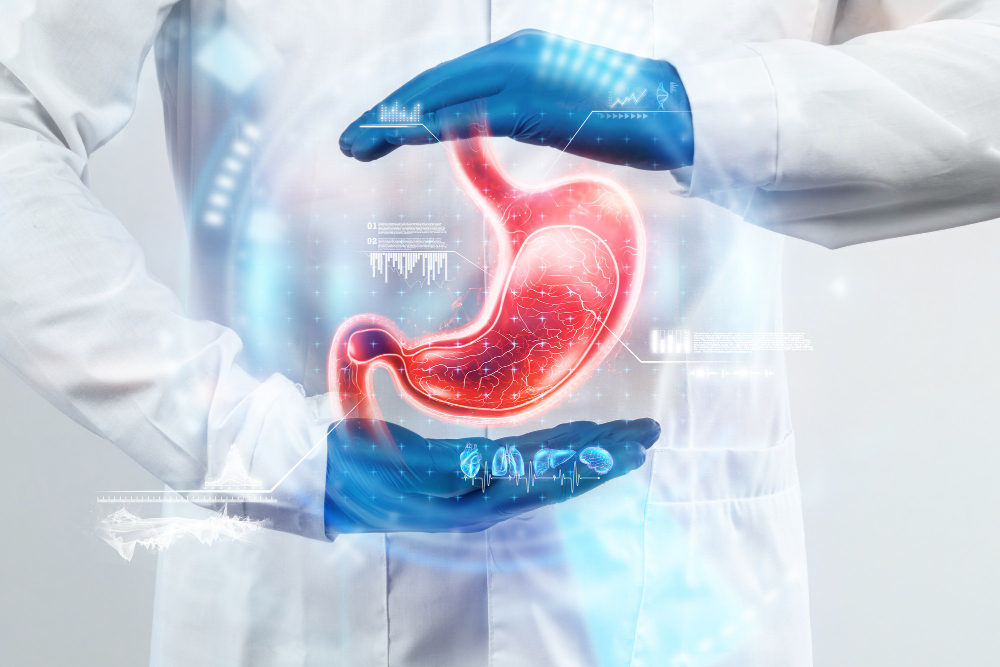
What gastric diseases are related to H. pylori infection?
Once H. pylori colonizes the stomach, it may trigger chronic inflammation. If left unchecked, this inflammation could lead to [Source: MPDI]:
· Stomach ulcers: Worsened damage to the stomach lining.
· Cellular changes in the stomach: Ultimately resulting in severe gastric conditions.
How can H. pylori infection be prevented and treated?
Fortunately, an H. pylori infection is treatable. Here are some important prevention and treatment strategies:
1. Good hygiene habits: Wash hands frequently and ensure clean food and water sources.
2. Medical treatment: Doctors typically prescribe antibiotics along with acid-suppressing medications for a 10- to 14-day treatment course [Source: MPDI].
3. Regular screening: Breath tests, blood tests, or endoscopy can help confirm infection status [Source: Oxford Academic].
What role might fucoidan play in preventing or treating H. pylori?
Research indicates that fucoidan, a natural polysaccharide extracted from brown seaweed, may have potential in combating H. pylori [Source: Wiley Online Library]:
1. Inhibiting bacterial growth: Reducing bacterial numbers and lowering the risk of infection.
2. Boosting immune function: Stimulating immune cell activity to enhance the body’s ability to fight infection.
3. Protecting and repairing the stomach lining: Reducing damage caused by the bacterium and promoting stomach health.
4. Neutralizing bacterial toxins: Minimizing toxin-induced damage to the stomach lining.

Prioritize Stomach Health and Keep H. pylori at Bay
While H. pylori is present in many individuals, adopting good lifestyle habits and seeking timely treatment can significantly reduce the risks. If you’re concerned about your stomach health, consult a medical professional for appropriate tests and measures.
Common Questions About Fucoidan and H. pylori Prevention & Treatment
Q1. What is Helicobacter pylori?
H. pylori is a bacterium that lives in the stomach and is associated with gastritis and gastric ulcers. If infection is suspected, it can be diagnosed with a breath test, blood test, or endoscopy.
Q2. How does H. pylori damage the stomach?
It causes chronic inflammation in the stomach lining, which can lead to ulcers or cell changes if left untreated.
Q3. Does fucoidan help prevent or treat H. pylori?
Some studies suggest it may help by inhibiting bacterial growth, enhancing immunity, blocking toxins, and protecting the stomach lining. However, more clinical evidence is needed, and medical treatment should follow a doctor’s guidance.
Q4. Who may benefit from fucoidan supplements?
– Middle-aged and older adults for immune and energy support.
– People under stress or who eat out frequently, for digestive health.
– Health-conscious individuals who want to maintain overall wellness.
Q5. Can fucoidan be taken long-term?
Yes. Fucoidan is often used as a daily health supplement to support immune function. However, dosage should be adjusted according to individual needs and a doctor’s advice.
References :