(852) 5729 0686




Among the many organs in the human body, the pancreas is hidden deep behind the abdominal cavity and is often referred to by the medical community as the “silent organ.” When abnormal cellular changes occur in the pancreas, there are almost no specific symptoms in the early stages. When many people experience upper abdominal pain or indigestion, they often mistake it for a common stomachache and let their guard down, thereby missing the golden window for early detection and conditioning.
Is Upper Abdominal and Back Pain a Stomach Ache or Pancreatic Pain? Beware of 4 Easily Overlooked “Precursors to Pancreatic Pain”
If you or your family members have recently experienced the following 4 easily overlooked hidden warning signs, please be on high alert and seek professional examination early: [1 Source: Hong Kong Cancer Fund]
Warning Sign 1: Persistent Upper Abdominal Pain Radiating to the Back
This is the symptom most frequently misdiagnosed as a stomach condition. Unlike a common stomachache, the pain caused by the pancreas is usually located deep in the upper abdomen and has a “penetrating” ache that radiates directly to the back. This pain often worsens when lying flat and may be slightly relieved when leaning forward.
Warning Sign 2: Unexplained Weight Loss and Loss of Appetite
If you haven’t intentionally dieted or increased your physical activity, yet your weight drops rapidly within a few months, accompanied by a loss of appetite and feeling full after eating very little (early satiety), this could mean your pancreatic function is impaired. This leads to a lack of sufficient digestive enzymes in your body to absorb nutrients properly.
Warning Sign 3: Jaundice (Yellowing of the Skin and Whites of the Eyes) and Dark Urine
As abnormal tissue in the head of the pancreas expands, it may compress the common bile duct, blocking the normal excretion of bile. This causes bilirubin to build up in the blood, triggering “jaundice,” which manifests as yellowing of the skin and the whites of the eyes. Additionally, your urine color may become as dark as strong tea, while stool color may become unusually pale (grayish-white).
Warning Sign 4: Sudden Blood Sugar Spikes or New-Onset Diabetes
The pancreas is the key organ responsible for secreting insulin to regulate blood sugar. If you have no family history of diabetes and have always been healthy, but are suddenly diagnosed with diabetes in your middle or senior years, or if your previously well-controlled blood sugar suddenly becomes highly unstable, these could all be potential signals of pancreatic cell damage.

Daily Care and Nutritional Support: 3 Key Nutrients to Reduce the Burden on the Pancreas
When it comes to pancreatic care, the core principles are “reducing the burden” and “lowering chronic inflammation.” Beyond a daily diet, selecting appropriate health supplements can build a comprehensive protective shield for a fragile pancreas. Experts frequently recommend the following three key nutrients for long-term dietary conditioning:
1. Digestive Enzymes: Alleviating Pancreatic Operational Stress
The pancreas is the most crucial digestive gland in the human body. When the pancreas is damaged or inflamed, its ability to secrete enzymes drops drastically, preventing food from being properly broken down and leading to bloating and severe weight loss. Appropriately supplementing high-quality digestive enzymes can directly take over digestive tasks from the pancreas, easing the stress of oversecretion while improving the patient’s nutrient absorption rate [2 Source: NIH].
2. Omega-3 Fatty Acids: Fight Chronic Internal Inflammation
Continuous chronic inflammation is one of the main culprits behind changes in the pancreatic microenvironment. The Omega-3 (especially EPA and DHA) abundant in deep-sea fish oil possesses excellent anti-inflammatory properties. Incorporating anti-inflammatory foods and reaping deep-sea fish oil benefits in your daily routine can help soothe the body’s inflammatory responses and protect healthy cells from ongoing oxidative damage [3 Source: NIH].
3. Fucoidan: Deep Cellular Repair and Immune Defense
If enzymes and fish oil form the foundation for reducing pancreatic burden, then Fucoidan—derived from pristine oceans—is the advanced key to unlocking deep repair. Consequently, when searching for supplements that regulate the constitution from the root, many people ask: What is Fucoidan?
Fucoidan is a natural, water-soluble polysaccharide extracted from brown seaweed. In recent years, the scientific community has conducted extensive research into its efficacy. Studies have found that Fucoidan’s immune-boosting properties assist the body in maintaining a normal defense network and gently repairing a damaged microenvironment [4 Source: NIH].
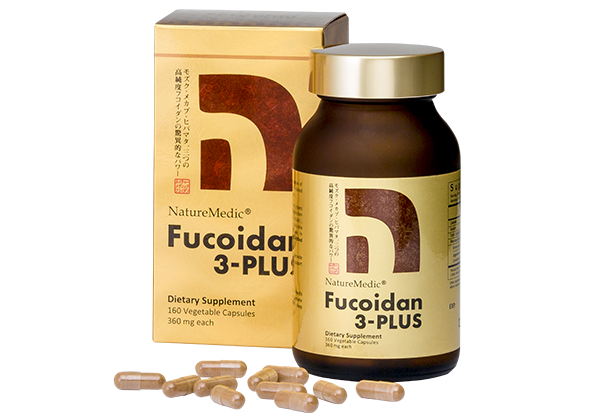
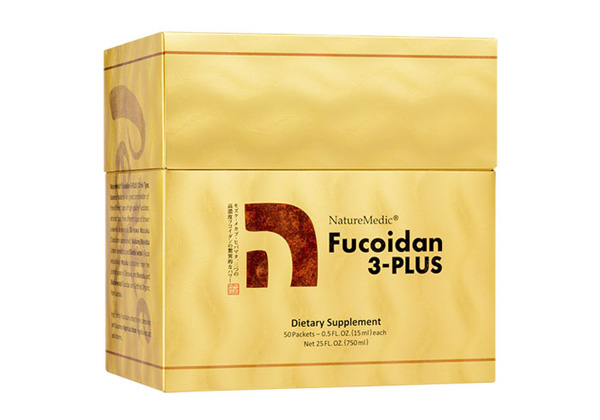
As a natural extract, Fucoidan is ideal for mature individuals as long-term cellular maintenance. It is recommended to choose multi-formula products—such as NatureMedic Fucoidan 3-PLUS, which combines Okinawa Mozuku, Mekabu, and Fucus vesiculosus. This blend delivers a synergistic health effect far exceeding that of a single seaweed, offering the most comprehensive support for cellular health.

Safeguarding pancreas health is a marathon that requires vigilance and patience. By paying attention to the subtle distress signals sent by your body, and employing enzyme decompression, Omega-3 anti-inflammation, and the deep repair of premium marine extracts, you can build the most reassuring and enduring health defense line for yourself and your family.
Frequently Asked Questions (FAQ) About Pancreatic Health and Care
Q1: Where is pancreatic pain located? How can I self-test to know if it is stomach pain or pancreatic pain?
A1: The pancreas is located deep in the upper abdomen (roughly behind the stomach), making its discomfort closely resemble stomach issues. However, you can self-test using the following three indicators:
Pain Extension: Pain caused by the pancreas usually features a “penetrating” sensation that radiates directly to the back.
Impact of Posture: The pain intensifies when lying flat; if you lean your body forward or hug your knees, the pain may slightly ease (stomach pain is typically unaffected by lying flat or leaning forward).
Post-Meal Aggravation: Pancreatic pain often becomes more pronounced after eating a high-fat meal. If you experience these symptoms, it is highly recommended to visit a hospital immediately for an abdominal ultrasound or a CT scan.
Q2: Is a sudden onset of diabetes a warning sign of pancreatic cancer?
A2: Yes. The pancreas is primarily responsible for secreting insulin to regulate blood sugar. Clinical studies have revealed that if an individual over 50 years old with no family history of diabetes and a non-obese physique suddenly develops diabetes, or if their previously well-controlled blood sugar suddenly spikes or becomes highly erratic, it could very well be a latent signal that pancreatic cells (especially at the head of the pancreas) are being damaged or compressed by abnormal tissue growth. A specialized pancreatic examination should be performed as early as possible.
Q3: In a daily diet, what foods harm the pancreas the most? How should one eat?
A3: The two biggest killers of the pancreas are “high-fat foods” and “alcohol abuse.” High-fat foods force the pancreas to oversecrete digestive enzymes, increasing the risk of pancreatic inflammation, while alcohol is the primary trigger for both acute and chronic pancreatitis.
To minimize pancreatic damage, one should adopt a “low-fat, low-oil” dietary principle, consume easily absorbed, high-quality proteins, and pair meals with digestive enzymes to reduce the workload on the pancreas.
Q4: What exactly is “Fucoidan,” which has been highly discussed recently? What are its benefits for pancreatic care?
A4: Fucoidan is a natural, water-soluble polysaccharide extracted from brown seaweeds (such as Mozuku and Mekabu).
In cellular maintenance and daily conditioning, Fucoidan’s primary benefits lie in “deep microenvironmental repair” and “immune regulation.” Research in scientific journals indicates that it can activate the body’s immune defense networks (such as NK cells) and protect healthy cells from oxidative damage caused by chronic inflammation. It is highly suitable as a long-term wellness supplement for mature adults, those needing precise conditioning, or individuals wishing to maintain normal physiological functions.
Q5: When is the best time to take Fucoidan? Can it be taken together with fish oil or enzymes?
A5: It is recommended to take Fucoidan on an “empty stomach” (for example, 1 hour before meals or 2 hours after meals). At these times, the absorption environment in the gastrointestinal tract is at its purest, allowing the large-molecule polysaccharides to be more effectively recognized by the intestinal immune system for optimal results.
Furthermore, Fucoidan can complement fish oil (Omega-3) or digestive enzymes. Enzymes are recommended with or right after meals to support digestion; fish oil is fat-soluble and is best taken with meals; while Fucoidan should be kept on an empty stomach. Working together, these three create a comprehensive health line of defense that “reduces stress, fights inflammation, and provides deep repair.”
🔬 Scientific Evidence and References
To ensure accuracy and professionalism, the content of this article is based on research findings from the following international medical and biological journals:
[1] Hong Kong Cancer Fund: The Hidden Killer: Pancreatic Cancer! Watch for Symptoms for Early Detection
[2] NIH: Pancreatic enzyme replacement therapy in chronic pancreatitis
[3] NIH: Pharmacology and therapeutics of omega-3 polyunsaturated fatty acids in chronic inflammatory disease
[4] NIH: Immunomodulatory and Anti-Inflammatory Effects of Fucoidan: A Review