(852) 5729 0686




When seeing an increase in “inflammation markers” or CRP levels in a blood test report, many people’s first reaction is often concern:Is something seriously wrong? Does this mean the condition is worsening?
In fact, an elevated CRP is simply a signal that the body is experiencing inflammation or repair—it is not a disease itself. During treatment for serious illnesses, these fluctuations often reflect active regulation and healing processes, not necessarily deterioration.
This article explains in simple terms:
– What CRP is
– Why CRP fluctuates during treatment
– What nutritional and lifestyle strategies may help regulate inflammation
What is CRP (C-reactive protein)?
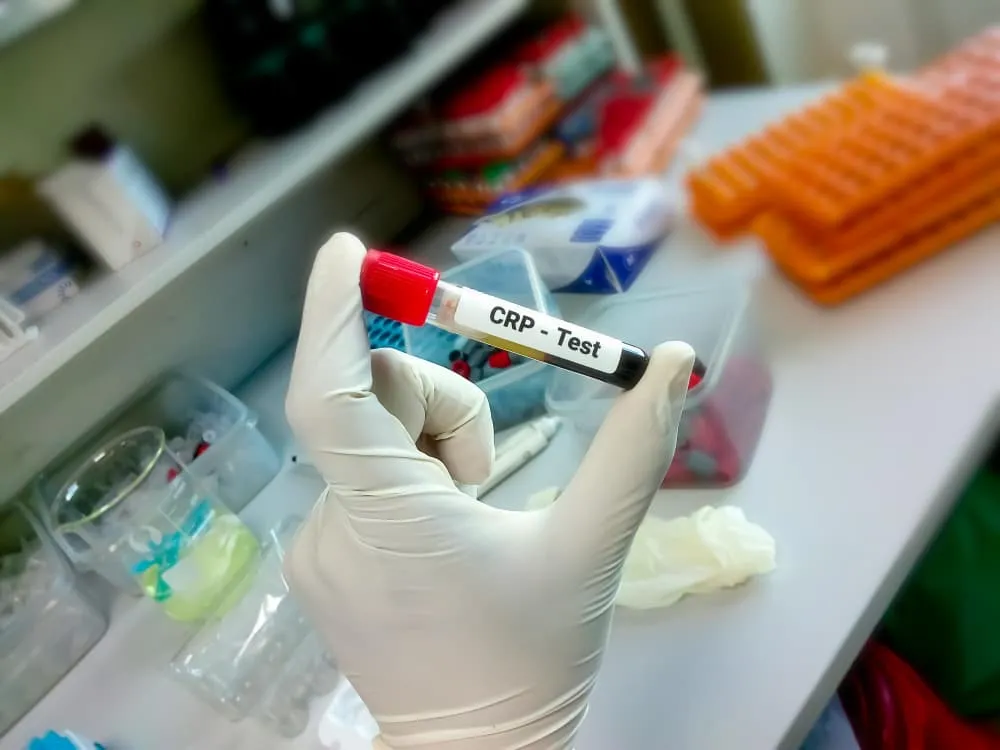
CRP is a protein produced by the liver. When the body detects inflammation, infection, or tissue damage, the liver releases CRP into the bloodstream. Therefore, CRP is commonly used as an important indicator of inflammation in the body. [1 Source: MedlinePlus]
Key points:
– Elevated CRP: Indicates the body is in a phase of inflammatory response, infection, or tissue repair.
– Does not necessarily mean serious illness: Needs to be interpreted by a physician alongside symptoms, medical history, and other tests.
– During cancer treatment: CRP levels often fluctuate due to treatment and repair processes, especially afterchemotherapy, radiation therapy, or surgery.
CRP Normal Range and Interpretation
CRP levels may vary slightly by testing method. Common reference ranges (mg/L):
| CRP Value Range | Interpretation |
| < 3 mg/L | Normal range; low inflammation, typical in stable or healthy states |
| 3–10 mg/L | Mild inflammation or ongoing repair; common during treatment |
| > 10 mg/L | Significant inflammation, infection, or tissue damage; requires medical evaluation |
Note: hs-CRP (high-sensitivity CRP) is used for cardiovascular risk assessment and follows different standards.
Why Does CRP Fluctuate During Treatment?
During treatment and recovery, the body handles multiple processes, activating inflammatory pathways and causing CRP fluctuations:
1. Repairing Affected Tissues: Chemotherapy and radiation therapy affect rapidly dividing cells. The body needs to repair damaged tissues, a process that activates inflammation and repair mechanisms.
2. Adjusting Immune Cell Responses: The immune system is in a dynamic state of adjustment during cancer treatment. Cell activation and migration are reflected in inflammation markers.
3. Clearing Damaged and Abnormal Cells:When cells are destroyed, the immune system initiates a “clearance” mechanism, which can also be accompanied by a rise in CRP.
4. Rebuilding Metabolic Balance: The body attempts to rebuild metabolic and immune balance after treatment cycles, and inflammation indexes may fluctuate with recovery progress.
These fluctuations often indicate the body is actively adjusting, not a one-way signal of deterioration.These fluctuations often indicate active recovery, not simply worsening.
How to Modulate Inflammation and Immunity During Treatment?
More critical than a single CRP value is the “overall recovery rhythm” and the “body’s regulatory capacity.” Numbers are signals, not final verdicts. During treatment, physicians typically consider several aspects together:
– Symptoms (e.g., fever, pain, appetite, energy levels)
– Imaging results and other blood markers
– Long-term trends in values
Beyond medical care, many studies indicate that supporting inflammation modulation through nutrition and lifestyle management positively impacts the recovery rhythm and quality of life for patients. Common strategies include:
– Maintaining a regular routine and getting adequate sleep
– Reducing fried and ultra-processed foods
– Increasing intake of high-quality protein, fruits, vegetables, and Omega-3 fatty acids
– Maintaining moderate activity and emotional stability
While these strategies cannot directly “treat the disease,” they help reduce chronic inflammation, support immune health, and indirectly improve tolerance to cancer treatment.
Research Outlook: Fucoidan Helps Modulate Inflammation
Recent scientific research has found that “modulating inflammatory signals” is key to maintaining immune health. Research often focuses on the signaling mechanisms of inflammation and the gut-immune axis. Among these, Fucoidan, a polysaccharide derived from natural seaweeds, has become a research focus due to its potential to balance immune signals, modulate inflammatory responses, and inhibit abnormal cells. [2 Source: Cancer Support Hong Kong]
During and after cancer treatment, many family members or patients incorporate high-content Japanese-origin Fucoidan into their daily health routine. The goal is to help the body maintain more stable immune regulation and inflammatory balance under the stress of treatment.
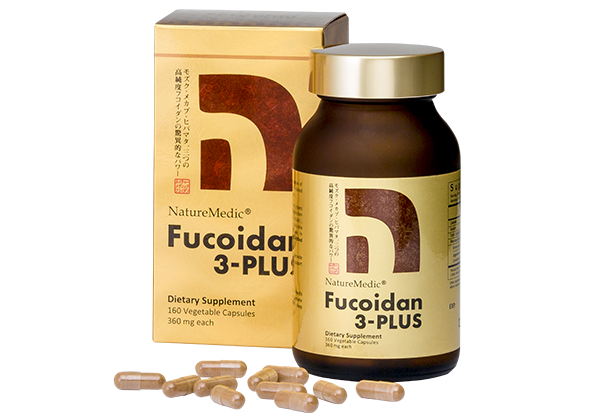
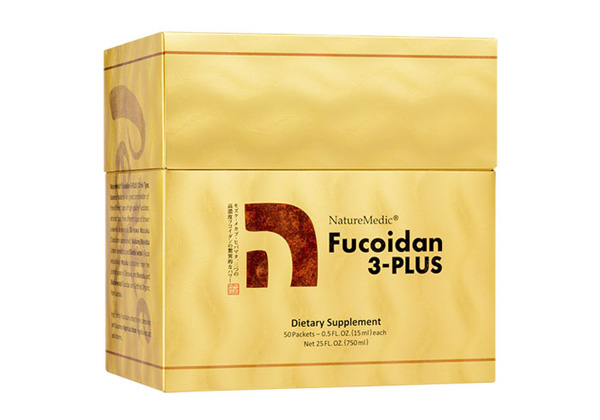
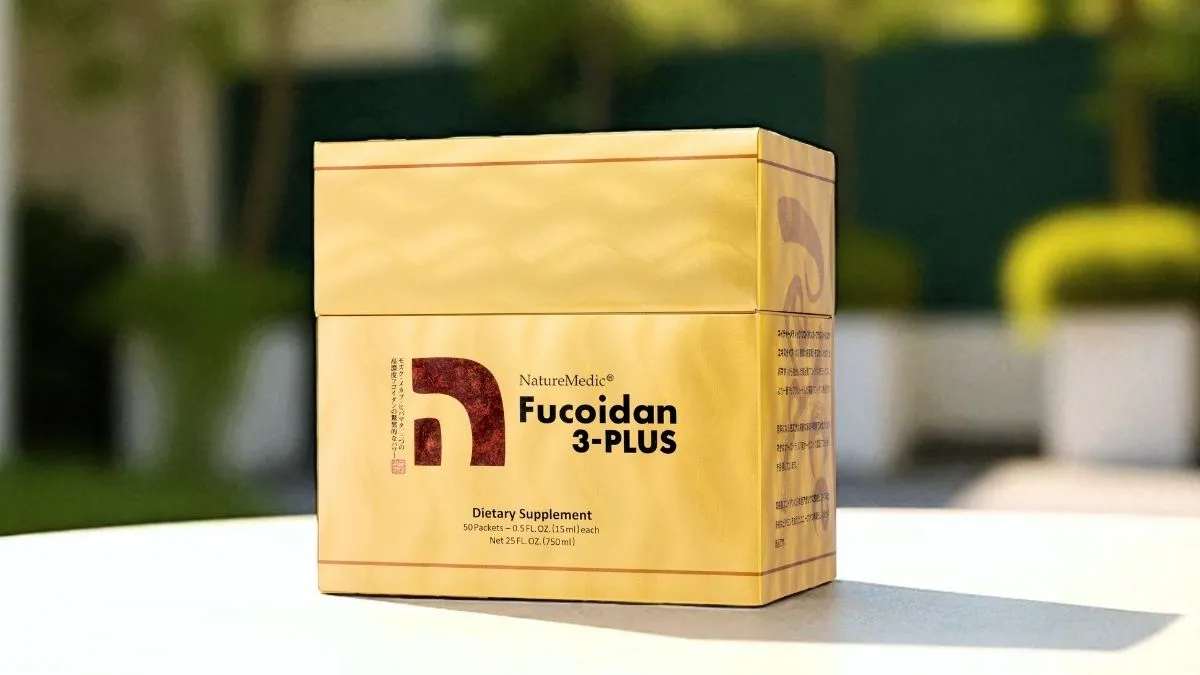
To more comprehensively support the body, alleviate side effects, and maintain immune health, consider a triple-combination product (e.g., NatureMedic Fucoidan 3-PLUS) containing Okinawa Mozuku, Mekabu, and Bladderwrack. This multi-ingredient formulation aims to expandthe synergistic effects of different types of fucoidan.
Numbers are Signals, Not Final Results
The CRP inflammation marker is a tool to help us understand the body’s current state, not a final verdict. Rather than focusing on a single numerical value, your overall regulatory capacity and recovery rhythm are far more important.
If you notice changes in your levels, instead of panicking, consult with your medical team and optimize your routine through consistent rest, precision nutrition, and emotional management. Recovery progress is built on steady, long-term body conditioning.
FAQ about the CRP Inflammation Index
Q1. What is CRP?
A:CRP is a liver-produced protein released during inflammation, infection, or tissue damage, and is a key inflammation marker.
Q2. Does high CRP mean worsening condition?
A:Not necessarily. It reflects inflammation and may result from infection, repair, immune response, or treatment effects. Clinical context is essential.
Q3. Why does CRP fluctuate during treatment?
A:Due to tissue repair, immune adjustments, cell clearance, and metabolic rebalancing—often a sign of active regulation.
Q4. Can fucoidan regulate inflammation?
A:Research suggests it may help modulate inflammation and immune signaling, but it should be used under medical guidance.
Q5. What should I pay attention to when reviewing my lab report?
A:Focus on trends, not single values. Combine medical advice with lifestyle and nutrition support.
Sources: