(852) 5729 0686




When it comes to “immunity,” most people first think about taking supplements or boosting their body strength, but they often overlook a true core—the gut.
Your gut does more than digest and absorb food; it is also the foundation of immune regulation and overall defense. When your gut remains unstable for a long time, your immune health is likely to suffer as well.
In other words, if you often feel fatigued, experience slow recovery, or face recurring discomfort, the problem might not only come from external factors—it could be linked to gut imbalance.
This article will clearly explain why gut health directly affects immune regulation and how daily supplements and lifestyle habits can work together to support both.
Why Gut Health Affects Immune Regulation
Few people know that a large portion of immune-related cells actually reside in gut-associated tissues. The gut acts as the immune system’s “frontline observation post,” constantly interacting with external substances like food, bacteria, and environmental factors.
When the gut environment is balanced, the body can maintain normal immune regulation. However, if the gut stays imbalanced—say, due to unstable microbiota or weak digestive function—the immune system comes under pressure, and overall defense fluctuates.
Think of the gut as the “home base” that supports immune regulation. To improve immunity, you must first keep this base running smoothly.

What Signals Show Gut Imbalance?
When your gut isn’t in good condition, it may not show serious problems right away. Instead, you might notice subtle, common signs such as:
– Frequent bloating
– Irregular bowel movements
– Chronic constipation or diarrhea
– Feeling tired after meals
– Slow digestion or a “heavy” feeling
– Fluctuating appetite
Many people dismiss these as minor issues or blame stress and lack of sleep. But if they persist, it might mean your gut and immune regulation are already off balance. It’s time to review your diet, routines, and supplements to make foundational improvements.
Lifestyle Factors That Affect Gut and Immunity
Modern lifestyles often unintentionally harm gut and immune health. Common factors include:
– Irregular schedules: Late nights or inconsistent meal times disrupt gut rhythm and digestive secretions.
– High-fat, high-sugar, or processed foods: These can disturb the gut microbiome balance.
– Chronic stress: Stress affects gut motility and sensitivity, leading to discomfort.
– Low fiber and hydration: Insufficient intake of fiber, fruits, and water slows bowel movement and metabolism.
Improving gut and immune health begins with adjusting these “ordinary” habits and gradually reducing stress on your body.

How to Support Gut and Immune Health Daily
Enhancing gut health and immune function doesn’t have to be complicated. Start with small, consistent steps that combine nutrition support and lifestyle balance:
– Eat more natural fiber: Vegetables, legumes, whole grains, and fruits help balance gut bacteria and metabolism.
– Maintain regular meal times: Eating at consistent times supports digestive rhythm.
– Stay hydrated: Regular water intake aids bowel movement and gut metabolism.
– Stay active: Walking, stretching, and light exercise promote intestinal motility.
– Prioritize sleep and stress control: Quality rest stabilizes both gut and immune function.
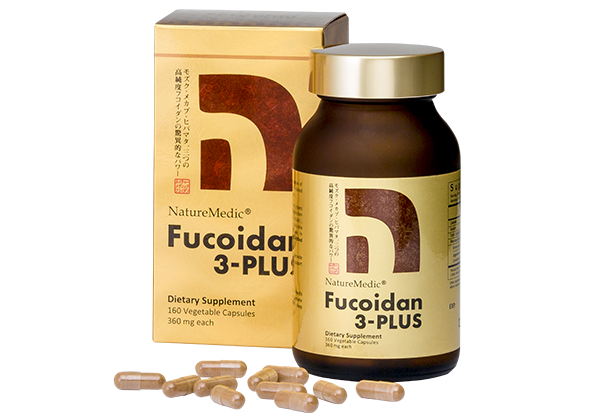
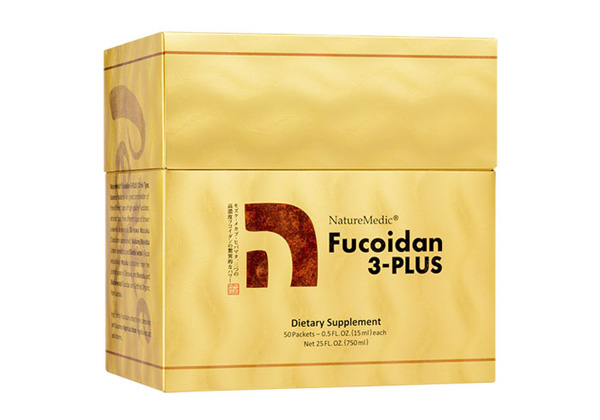
Why Choose Fucoidan for Gut and Immune Support?
Recent studies on gut and immune regulation highlight natural polysaccharides, especially fucoidan, extracted from brown seaweed. Research suggests it may enhance gut microbiota balance and immune function through multiple mechanisms, supporting daily health.

Human clinical findings
A randomized, double-blind, placebo-controlled study observed that fucoidan supplementation was associated in some participants with:
Increased gut microbiome diversity
Higher proportions of certain beneficial bacteria
Enhanced metabolic pathways related to short-chain fatty acid (SCFA) production
Microbial diversity and SCFA activity are commonly regarded as markers related to gut and immune balance. (Source: NIH)
Microbiome and immune marker changes (animal studies)
Animal model studies have observed that fucoidan supplementation was associated with:
Increased beneficial bacteria such as Lactobacillus and Bifidobacterium
Improvements in selected immune-related markers
Higher levels of short-chain fatty acids in the gut
SCFAs are considered important metabolic products reflecting microbial activity and gut stability. (Source: NIH)
Mechanism studies on gut–immune pathways
Mechanistic research suggests fucoidan may:
Modulate gut microbiome structure
Influence metabolic pathways linked to immune cell function
Interact with immune signaling pathways
These findings relate to regulatory mechanisms rather than disease treatment. (Source: NIH)
Metabolic and inflammatory regulation research
In high-fat diet animal models, fucoidan has been associated with:
Changes in gut microbiome composition
Downward trends in certain inflammatory markers
Improvements in lipid-related metabolic indicators
These findings support a potential interaction between gut microbiota, metabolism, and immune regulation. (Source: NIH)
Further research even indicates potential benefits for inflammatory and metabolic regulation, showing fucoidan’s role in coordinating gut, metabolism, and immunity—making it a promising daily nutritional choice.
Building a Long-Term Gut and Immunity Strategy
Many people focus only on “what to take” for immunity but forget to ensure gut stability first. True immune balance depends equally on gut health, nutrition, quality rest, and stress control.
By strengthening your gut foundation, choosing suitable daily supplements, and improving diet and habits, you can maintain a more resilient immune system—no longer relying solely on short-term fixes.

Related Literature:
[3] NIH: Fucoidan exerts antitumor effects by regulating gut microbiota and tryptophan metabolism