(852) 5729 0686


“After the holidays—good food, plenty of sleep, and catching up with friends—why do we still feel exhausted once work resumes?”
If that sounds familiar, you’re not alone — and it’s not unusual at all.
Many people experience post-holiday fatigue after the Lunar New Year—feeling sluggish, having digestive discomfort, or feeling that their immune system isn’t at its best. This isn’t a matter of willpower but a reflection of how your body responds to sudden changes in rhythm and routine.
In this article, we’ll explore why fatigue is common after the holidays and how to gently restore your body’s balance. You’ll also find practical tips for immune and body conditioning, along with supplement suggestions to help your energy return naturally.
Why Is Post-Holiday Fatigue So Common?
During holidays, our routines differ greatly from daily life. The body thrives on rhythm, and when key patterns are disrupted, fatigue follows.
1. Disrupted Sleep Schedule
Common holiday habits include:
– Staying up late watching shows or playing cards
– Frequent social gatherings and meals
– Unfixed wake-up times and daytime naps
Although it seems like you’re sleeping more, irregular hours reduce sleep quality and recovery. In fact, a stable sleep rhythm is essential for immune regulation since sleep affects hormones, metabolism, and immune responses. [1 Source: NIH]

2. Heavier Food Intake
Holiday meals often include:
– Fried, greasy, or sweet foods
– Sugary drinks and desserts
– Large portions and late-night snacks
When your digestive system works overtime, more energy is diverted to digestion and metabolism, causing tiredness and bloating.
3. Emotional and Social Fatigue
While joyful, constant socializing can drain mental energy—especially for older adults or those recovering from illness. Extended interaction may affect sleep and immunity via the autonomic nervous system, intensifying fatigue.
4. Increased Stress on Body Balance
When sleep, diet, and stress all fluctuate at once, your body works harder to restore internal balance—leading to:
– Fatigue and poor focus
– Mild throat irritation or colds
– Digestive sensitivity or bloating
– Weakened immune resilience
Post-holiday fatigue signals how strong your baseline body constitution and immune balance are. Those with regular conditioning routines recover faster; others may need extra time to regain energy.
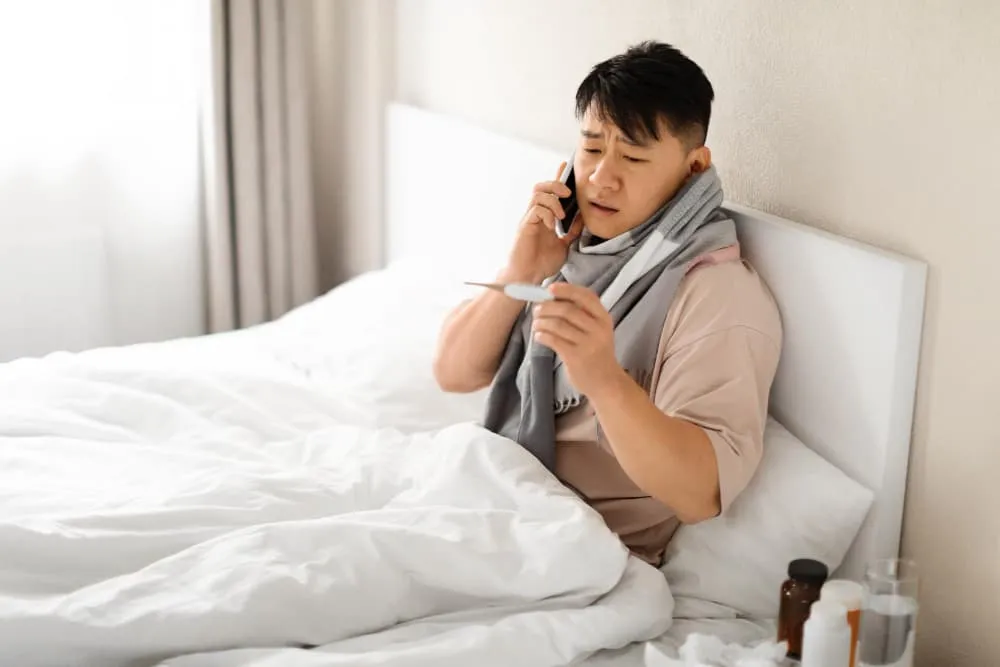
Common Signs of Post-Holiday Fatigue (How Many Apply to You?)
Typical signs include:
– Low energy and lack of motivation
– Not feeling refreshed even after sleep
– Bloating or sluggish digestion
– Fluctuating appetite
– Dry mouth or throat
– Reduced focus
– Lower mood
If these are short-term, they’re usually part of a normal adjustment period. The goal is to help your body return to regular patterns gradually.
A 7-Day Post-Holiday Recovery Plan (Practical Checklist)
With just one week of basic adjustments, most people feel noticeably more stable again.
1. Reset your sleep schedule: Go to bed at a consistent time for several nights — more effective than one very long sleep.
2. Return to lighter, regular meals: Reduce greasy and high-sugar foods. Increase vegetables and fluids.
3. Do light daily movement (20–30 minutes): Walking, stretching, or slow movement helps restore circulation.
4. Rehydrate: Many people are mildly dehydrated after the holidays.
5. Give your digestive system a break: Avoid repeated overeating across multiple meals.
6. Sunlight + regular timing: Helps your body clock reset.
7. Rebuild daily immune support habits: Bring nutrition and routine back to a steady pattern.

Choosing Body Conditioning Supplements During Post-Holiday Recovery
During periods of post-holiday fatigue or low energy, some people include body conditioning supplements as part of their daily support plan, alongside restoring sleep and diet. Common, easy-to-find options include:
Vitamin C
Vitamin C is one of the most widely used nutrients for daily immune support. It is easy to find and available in many forms. It is commonly used for:
– Supporting immune health [2 Source: MDPI]
– Antioxidant support
– Everyday body regulation
– Seasonal wellness support
Vitamin B Complex
B vitamins are commonly associated with energy metabolism and fatigue support, and may be helpful when experiencing:
– Low post-holiday energy
– Easy tiredness
– Reduced energy after schedule disruption [3 Source: NIH]
Omega-3 Fish Oil
Omega-3 healthy fats are often used to support:
– Normal inflammatory balance
– Cardiovascular health
– Cellular health maintenance
– Normal immune system function
Functional Mushroom Extracts
Certain mushroom extracts are commonly included in body conditioning supplements — such as reishi or mixed mushroom formulas — and are often used for:
– Body conditioning support
– Daily immune regulation needs
– Recovery-period nutrition strategies
– Long-term immune health support [4 Source: NIH]
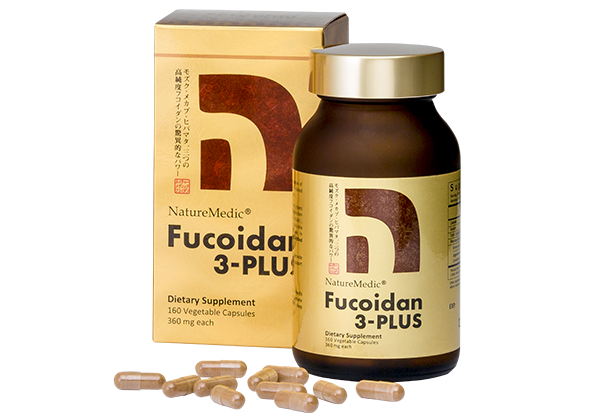
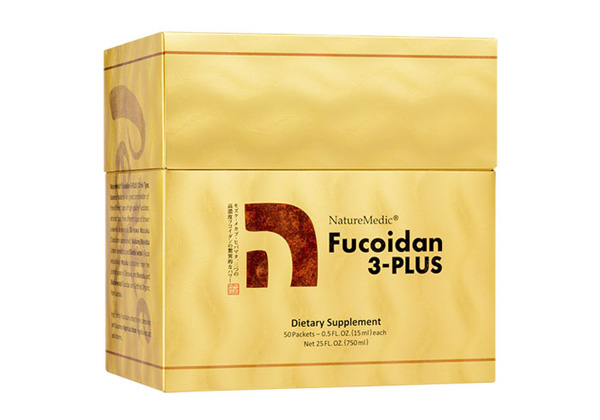
Seaweed-Derived Polysaccharides (such as Fucoidan)
Seaweed-derived polysaccharide nutrients — such as fucoidan — have received growing attention in recent years in the areas of daily immune regulation and body conditioning support. Commonly discussed fucoidan benefits and functions include:
– Supporting daily immune regulation and digestive health
– Serving as one option among post-surgery wellness products
– Providing immune support during serious illness periods [5 Source: NIH]
– Used by some as part of long-term body conditioning strategies
Fucoidan is a type of polysaccharide, and research has mainly focused on its potential effects on immune cell activity, inflammation regulation, and cellular environment stability. For individuals seeking daily immune support, it can be considered one of the options among body-conditioning health supplements.
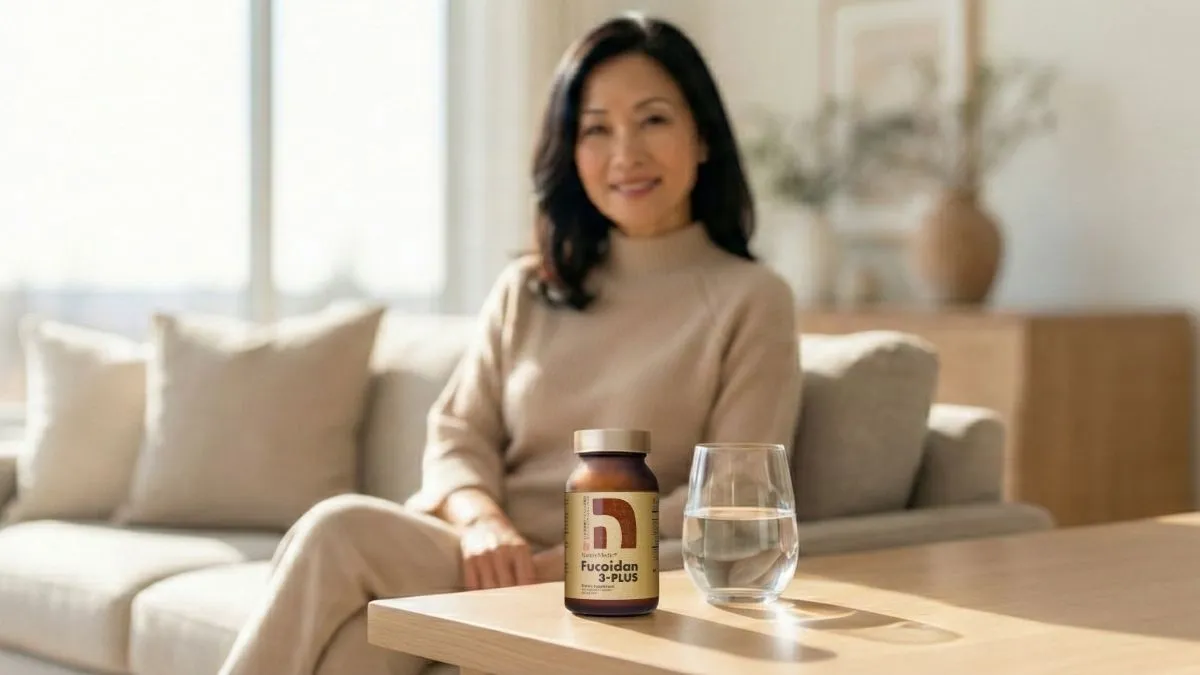
Gentle Adjustment Works Better Than Forcing It
Feeling tired after the holidays doesn’t mean your body is “failing.” Most of the time, your routine has simply been disrupted.
Give yourself a week to readjust — restore sleep, diet, and daily immune support habits step by step. Rather than forcing yourself to push through, it’s more helpful to give your body time to recover steadily.
References :
[1] National Institutes of Health (NIH): Circadian regulation of innate immunity in animals and humans and implications for human disease
[3] National Institutes of Health (NIH): Vitamins and Minerals for Energy, Fatigue and Cognition
[4] National Institutes of Health (NIH): Immunomodulatory Effects of Edible and Medicinal Mushrooms and Their Bioactive Immunoregulatory Products
[5] National Institutes of Health (NIH): Anti-Inflammatory Mechanisms of Fucoidans to Treat Inflammatory Diseases: A Review