(852) 5729 0686


When facing breast cancer—whether through surgery, chemotherapy, or radiotherapy—nutrition plays a crucial role. It’s not just about “eating enough,” but about using food to help patients maintain strength, enhance immunity, and relieve treatment-related side effects. [1 癌症問康健] [2 財團法人乳頑疾防治基金會]
This article outlines six essential dietary and nutrition recommendations for breast cancer patients, making food an important companion in the recovery journey.

1|Add High-Quality Protein: Repair Tissues, Maintain Strength
During treatment, patients often experience poor appetite and fatigue, leading to insufficient intake. Daily supplementation is recommended:
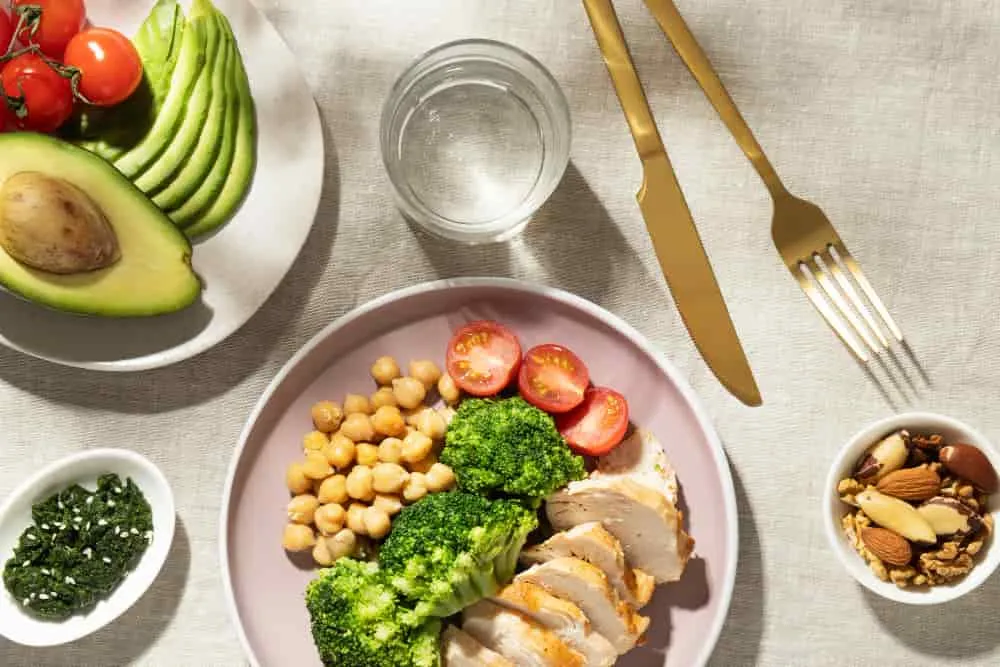
• Fish, chicken, eggs, tofu, beans
• Simple home dishes like lean meat porridge, steamed egg, scrambled egg with minced meat
Adequate protein intake during post-surgery healing and chemo/radiotherapy helps reduce muscle loss, maintain weight, and strengthen resistance. [1 癌症問康健]
2|Choose Antioxidant-Rich Fruits and Vegetables: Fight Free Radicals
Chemo and radiotherapy generate oxidative stress, causing fatigue, weakened immunity, and damage to skin and oral mucosa. Recommended foods include:
• Vitamin C: kiwi, papaya, oranges, red peppers
• Beta-carotene: carrots, pumpkin, spinach
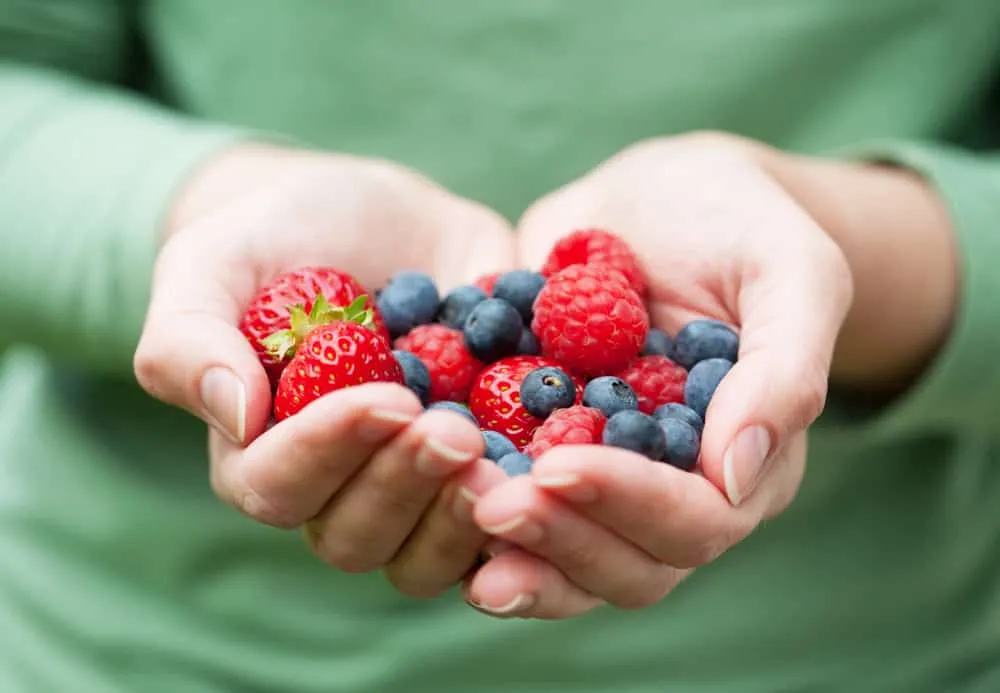
• Polyphenols: blueberries, black beans, purple cabbage
Eating a variety of colorful fruits and vegetables daily helps stabilize immune cells and reduce side effects. [2 財團法人乳頑疾防治基金會][5 健康遠見]
3|Use Small, Frequent Meals: Ease Digestive Discomfort
Common chemotherapy side effects include nausea, bloating, and mouth ulcers. Suggested strategies:
• Eat small portions every 2–3 hours, avoid empty stomach
• Choose light, moist, easy-to-swallow foods like porridge, steamed egg, spinach
• Avoid greasy, overly sweet, spicy, or raw foods
Caregivers can adjust food textures (e.g., pumpkin puree, tofu pudding, egg drop soup) to improve appetite. [2 財團法人乳頑疾防治基金會][6 癌症營養照護專賣]
4|Prioritize Food Safety and Hygiene: Protect Immunity
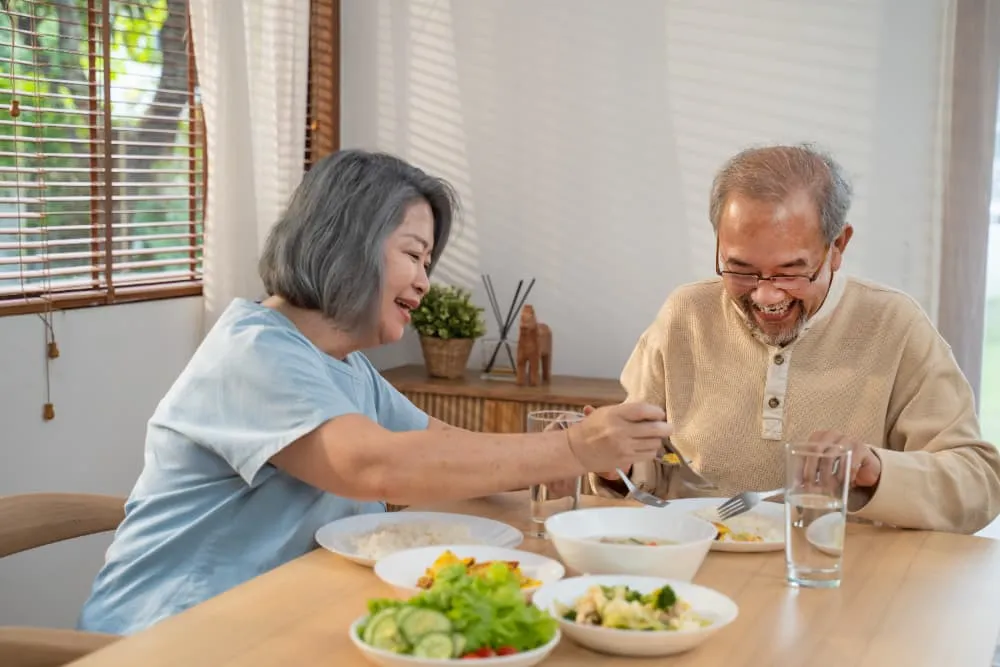
During treatment, immunity is significantly reduced. Poor food hygiene may cause infections or food poisoning. Avoid:
• Raw fish, oysters, undercooked eggs
• Raw salads, cold dishes
• xpired or long-stored cooked food
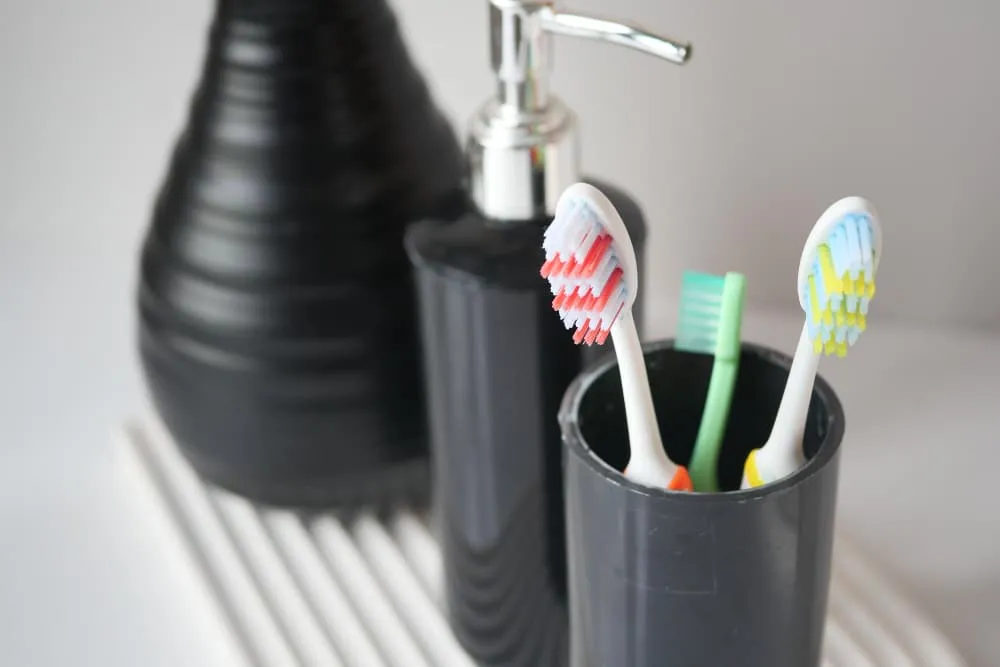
All food should be thoroughly cooked and consumed fresh. Ensure utensils are clean and toothbrushes replaced regularly. [2 財團法人乳頑疾防治基金會][4 香港癌症基金會]
5|Establish Meal Rhythm and Nutrition Supplement Strategy
Breast cancer treatment is a long-term battle, requiring flexible nutrition planning:
• Create a daily meal schedule
• Use chemotherapy supplements (protein powder, liquid nutrition) to meet calorie and protein needs [7 癌症營養照護專賣][8 Symbol Sturgeon]
• Consult a nutritionist if eating is difficult
Natural supplements like Fucoidan (rich in polysaccharides) have shown antioxidant and immune-regulating potential, attracting patient interest.

6|Support with Natural Supplements: NatureMedic® Fucoidan 3-Plus
When appetite declines and nutrition is insufficient, natural supplements can help maintain strength and immunity.
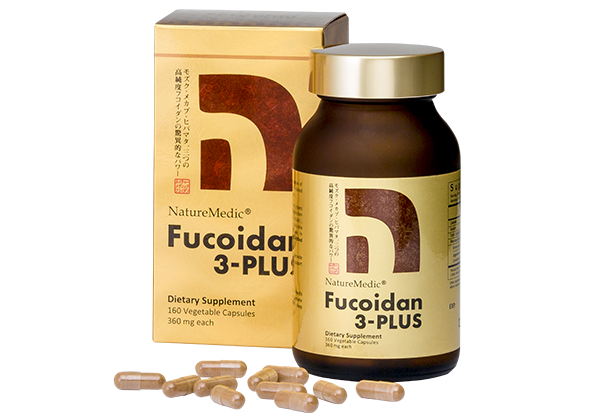
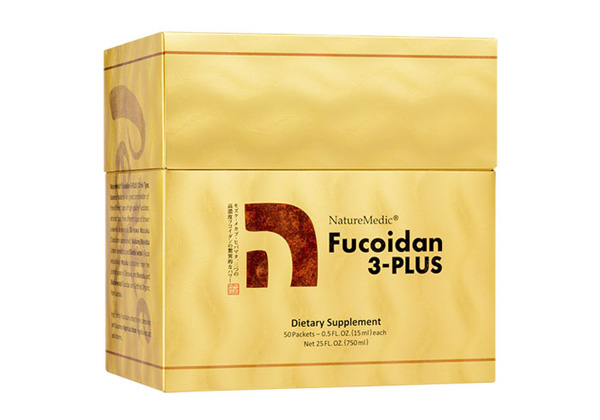
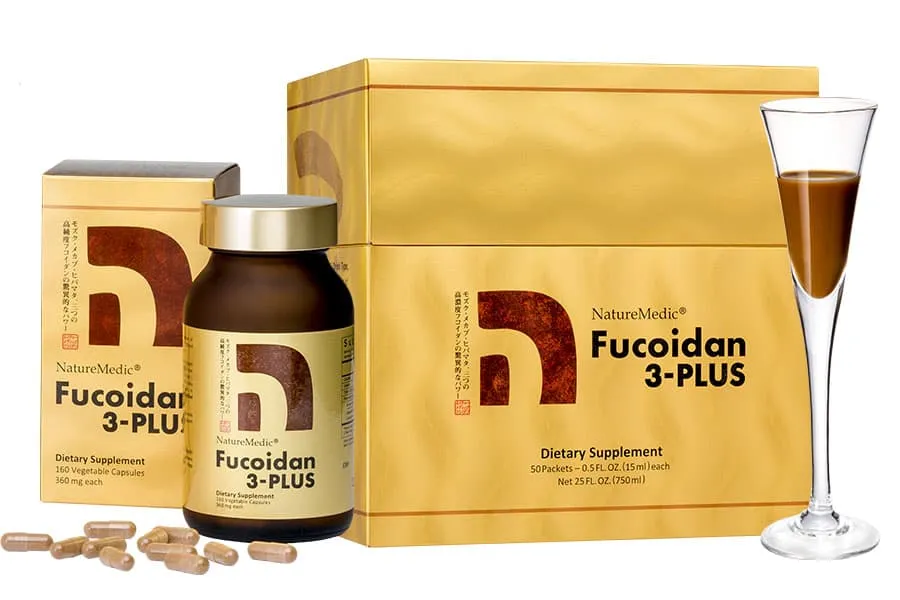
NatureMedic® Fucoidan 3-Plus products are made from three premium seaweed sources (Mozuku, Undaria pinnatifida sporophyll, and Fucus vesiculosus), with 85% high-purity fucoidan as the core, plus added nutrients to:
• Regulate immunity and strengthen defense
• Support energy and appetite
• Provide stable assistance during treatment and recovery
Available in capsule and liquid concentrate forms, suitable for daily care, treatment supplementation, or post-surgery recovery.
Learn more about product ingredients and dosage:
👉 NatureMedic® Fucoidan 3-Plus Capsule Type (160 capsules per bottle)
👉 NatureMedic® Fucoidan 3-Plus Liquid Type (50 packets per set)
Breast Cancer Nutrition Q&A
Q1. Can breast cancer patients eat raw fish?
Not recommended. During chemo/radiotherapy, immunity is lowered, increasing infection risk.
Q2. How to supplement protein during chemotherapy?
Choose fish, chicken, eggs, tofu, and eat small, frequent meals.
Q3. Do patients need extra supplements?
Consider chemotherapy nutrition products or natural supplements like fucoidan, but consult a doctor or nutritionist.
Q4. Can patients drink coffee during chemotherapy?
Small amounts are usually fine, but avoid if stomach discomfort or insomnia occurs.
For breast cancer patients, simply being able to eat is a form of strength. Patients should take things slowly, while caregivers provide understanding and companionship. Balanced nutrition and appropriate supplements can make the road to recovery steadier.
References :
[5] 健康遠見:放化療副作用飲食對策